
What Your Pet's Annual Wellness Exam Actually Covers
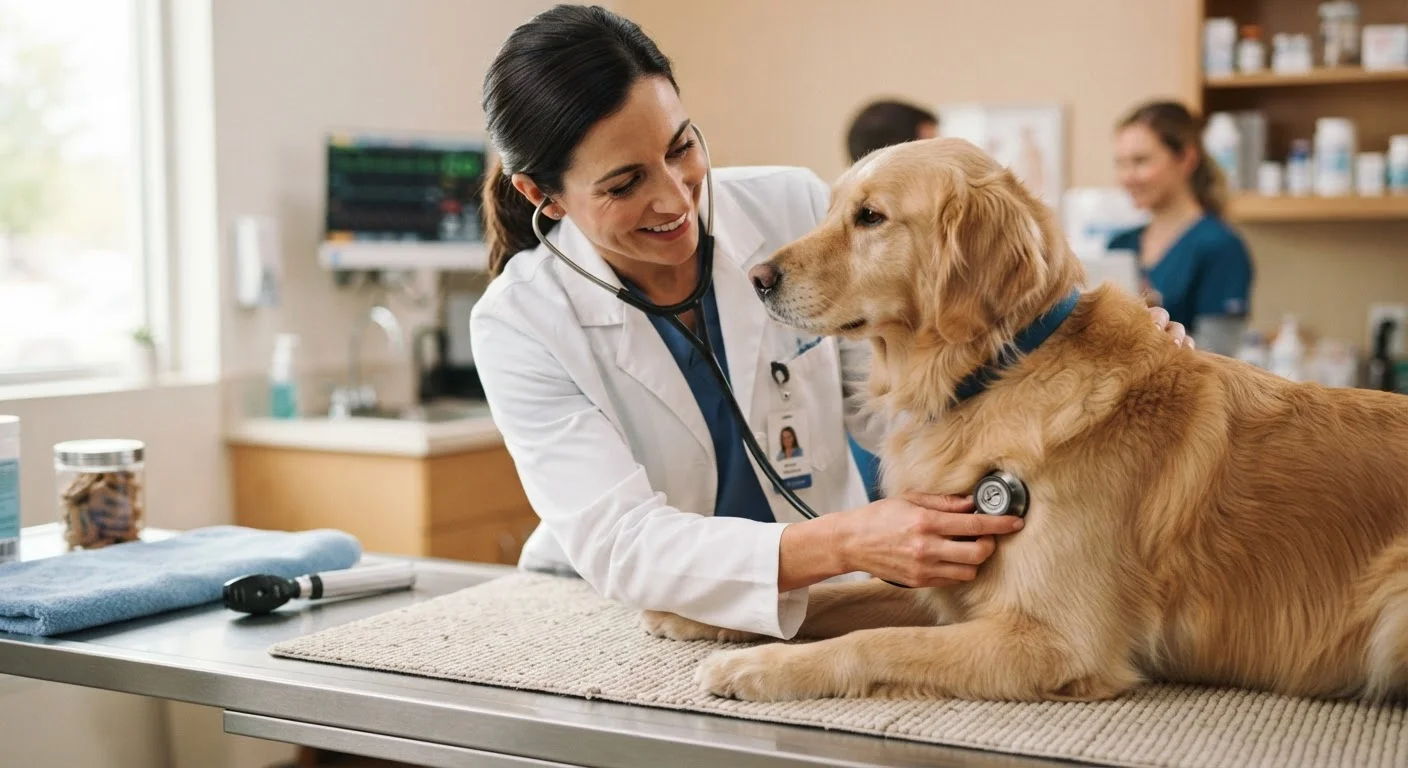
Photo credit: SnippetColumns.com | Easy Search, Reliable Information
In this article
Annual vet visits are more than a quick checkup. Here's what happens during a routine wellness exam and why each step matters for your pet.
Key Takeaways
- A wellness exam covers far more than vaccines — it includes a full physical assessment of multiple body systems.
- Vets use baseline data from annual exams to detect gradual changes that owners often miss at home.
- Parasite screening, dental evaluation, and weight assessment are standard parts of most routine visits.
- Exam frequency may need to increase as your pet ages or if chronic conditions are present.
- Bringing a list of behavioral or dietary changes helps your vet get the fullest picture possible.
More Than a Stethoscope Moment
Many pet owners picture a wellness exam as a quick listen to the heart, a couple of shots, and a handshake. In practice, a thorough annual exam is a structured, multi-system evaluation — one that gives your veterinarian a comprehensive snapshot of your pet's health and a reference point to measure against in future years.
Understanding what's actually happening during that appointment helps you prepare better, ask smarter questions, and recognize why skipping it — even when your pet seems perfectly healthy — can mean missing early warning signs. Annual exams are a foundational piece of preventive care for pets that goes well beyond reactive treatment.
1 in 3
Pets with a hidden health condition at routine exam
The American Veterinary Medical Association notes that many pets present with conditions owners were unaware of during annual wellness visits.
80%
Dogs showing dental disease signs by age 3
According to the American Veterinary Dental College, the majority of dogs show evidence of periodontal disease by their third year of life.
6 months
Recommended exam interval for senior pets
Many veterinary guidelines suggest biannual exams for dogs and cats over age 7, given the accelerated pace of age-related health changes.
The Head-to-Tail Physical: What Gets Checked
The core of any wellness visit is the hands-on physical exam. Your vet will systematically evaluate each major body system, typically in a consistent order:
- Eyes and ears: Checked for signs of infection, discharge, cloudiness, ear mites, or early hearing changes.
- Mouth and teeth: Dental disease is one of the most common — and most overlooked — conditions in pets. Vets look for tartar buildup, gum inflammation, broken teeth, and pain signs.
- Lymph nodes and skin: Swollen lymph nodes can signal infection or immune response. Skin and coat condition reflects nutritional status and can indicate allergies or hormonal issues.
- Heart and lungs: Auscultation (listening with a stethoscope) detects murmurs, arrhythmias, or abnormal breath sounds that may not produce obvious symptoms at home.
- Abdomen: Palpation helps identify organ enlargement, unusual masses, pain responses, or digestive abnormalities.
- Joints and movement: Vets assess range of motion and watch for stiffness or discomfort, especially in older animals where arthritis often develops silently.
- Weight and body condition score: Weight trends over time tell a meaningful story — gradual gain or loss can indicate metabolic changes, dietary imbalance, or underlying disease.
Bring a Written List to Every Visit
Jot down any changes you've noticed — appetite, energy, bathroom habits, lumps, or behavioral shifts — in the days before the appointment. It's easy to forget these details in the moment, and even seemingly small observations can guide your vet toward the right follow-up questions or tests.
Preventive Treatments and Diagnostic Screening
Beyond the physical exam, wellness visits are when your vet confirms or updates preventive protocols. This typically includes a review of vaccine status — which vaccines are appropriate depends on your pet's lifestyle, geographic location, and risk exposure. Parasite prevention is also assessed here: intestinal parasites (via a fecal test), heartworm status, and external parasite control like fleas and ticks.
For middle-aged and senior pets, your vet may recommend baseline bloodwork — a complete blood count and chemistry panel — to screen for conditions like kidney disease, liver dysfunction, thyroid imbalance, or early diabetes. These conditions often develop silently; blood values can flag them before symptoms appear. How your pet's health needs shift across life stages is covered in depth in our guide on pet health for every life stage.
Fecal Testing Is Often Overlooked
Many pet owners don't realize that a stool sample is a standard part of most wellness exams. Intestinal parasites — including roundworms, hookworms, and giardia — frequently produce no obvious symptoms but can affect your pet's health and, in some cases, are transmissible to humans. Bringing a fresh fecal sample (collected within 12–24 hours of the appointment) ensures this screen can be completed without a return visit.
Making the Most of Your Visit
The wellness exam is also your dedicated window for conversation. Vets can only observe your pet for a few minutes in clinic — you live with them daily. Behavioral shifts, changes in water consumption, appetite fluctuations, sleep pattern changes, or new lumps you've noticed at home are all worth raising, even if they seem minor.
Pairing annual vet visits with consistent daily pet care routines — including regular at-home observation — gives your veterinarian a richer picture and your pet a better safety net between appointments. If you're already doing weekly pet care check-ins, bringing those notes to your vet visit can make the conversation significantly more productive.
This article is for general informational purposes only and does not constitute veterinary advice. Always consult a licensed veterinarian for guidance specific to your pet's health needs.
Frequently Asked Questions

Author
Pets & Animal Care Editorial Team
Pets & Animal Care Editorial Team is the collective byline for our editorial team and contributor network. Articles published under this byline or an editorial pen name are researched, written, and reviewed according to our editorial standards for clarity, consistency, and independence before publication.
View all articles →