
Physical vs. Chemical Sunscreen: Understanding the Real Difference
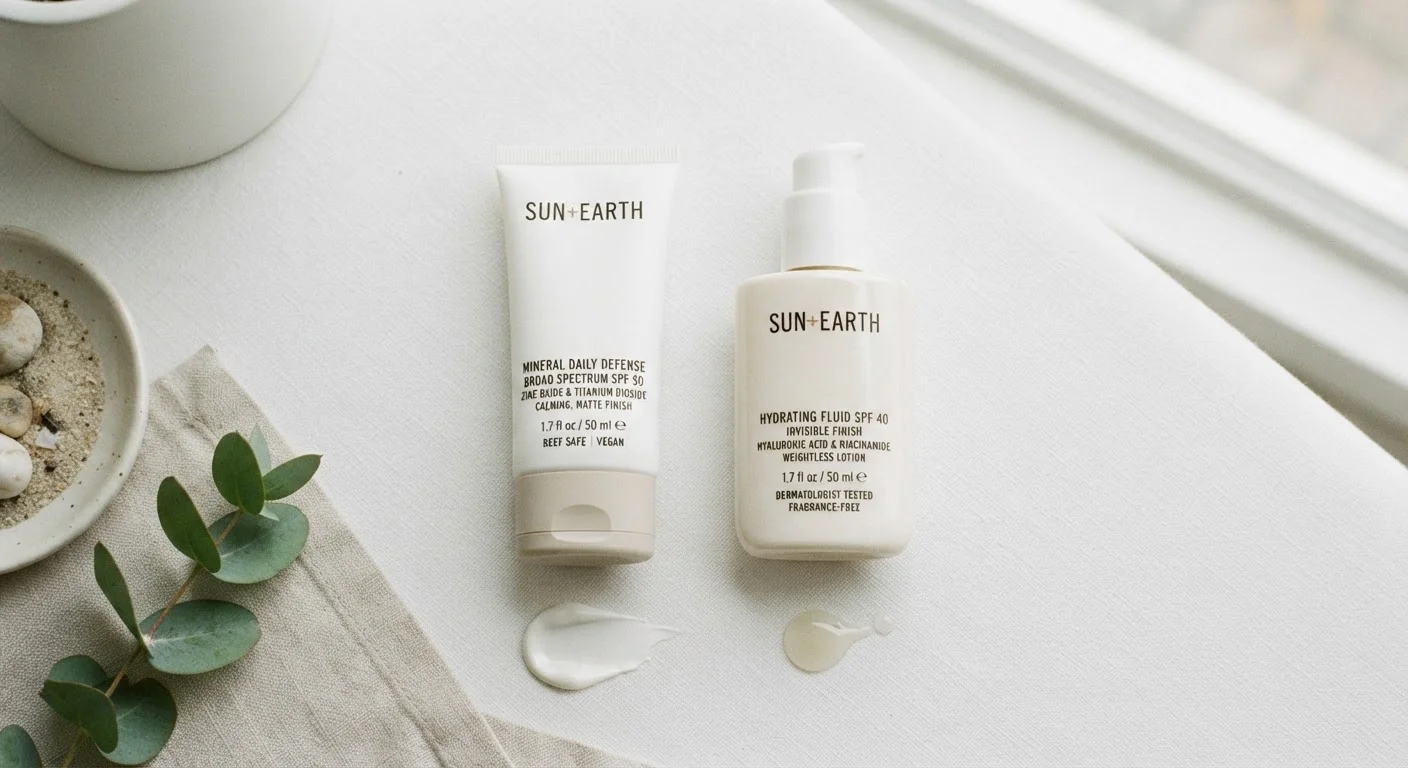
Photo credit: SnippetColumns.com | Easy Search, Reliable Information
In this article
Both block UV rays, but they work differently and suit different skin types. Here's a clear breakdown to help you understand each option.
Key Takeaways
- Physical sunscreens use mineral ingredients like zinc oxide or titanium dioxide to deflect UV rays at the skin's surface.
- Chemical sunscreens absorb UV energy and convert it to heat, releasing it before it can damage skin cells.
- Physical formulas are generally better tolerated by sensitive or reactive skin types.
- Chemical sunscreens tend to apply more invisibly, making them popular for deeper skin tones.
- Both types can offer broad-spectrum protection when formulated correctly — SPF number alone doesn't determine which is safer.
- Dermatologists generally agree: the best sunscreen is the one you'll actually apply consistently and reapply throughout the day.
How Each Type Actually Works
The core distinction between physical and chemical sunscreens comes down to their mechanism — not their SPF number or texture.
Physical sunscreens (also called mineral sunscreens) rely on active ingredients like zinc oxide and titanium dioxide. These minerals sit on top of the skin and work by reflecting or scattering UV radiation before it penetrates the skin's surface. Think of them as a mirror-like shield.
Chemical sunscreens use organic (carbon-based) compounds — such as avobenzone, oxybenzone, octinoxate, or octocrylene — that absorb into the upper layers of skin. When UV rays hit these molecules, a chemical reaction occurs that converts the radiation into a small amount of heat, which is then released harmlessly from the skin.
Neither mechanism is inherently superior. Both can deliver effective broad-spectrum protection against UVA and UVB rays when correctly formulated. For more on what UV protection actually does over time, see what daily SPF does for your skin long-term.
| Criterion | Physical Sunscreen | Chemical Sunscreen |
|---|---|---|
| Active Ingredients | Zinc oxide, titanium dioxide | Avobenzone, oxybenzone, octinoxate |
| How It Works | Reflects/scatters UV rays | Absorbs UV, converts to heat |
| Time to Activate | Immediate upon application | 15–20 minutes after application |
| Texture & Finish | Can leave white cast; thicker | Sheer, lightweight, invisible |
| Sensitivity Risk | Lower; less irritating overall | Some may react to certain filters |
| Best For Skin Tone | All tones; tinted versions help | Medium to deep tones; no cast |
| Wear Under Makeup | Can be heavier; may pill | Blends seamlessly as a base |
Skin Type Fit and Real-World Trade-Offs
Understanding the mechanism helps — but most people choose a sunscreen based on how it feels and performs day to day.
Physical Sunscreen: What to Expect
Mineral formulas, particularly those with high concentrations of zinc oxide, can leave a white or grayish cast on the skin. This has historically made them less popular among people with medium to deep skin tones. However, formulation improvements — including tinted versions and micronized particles — have reduced this issue significantly in recent years.
On the upside, physical sunscreens are effective immediately upon application and are less likely to cause stinging, breakouts, or allergic reactions. They're frequently recommended for people with eczema, rosacea, or post-procedure skin.
Chemical Sunscreen: What to Expect
Chemical formulas absorb quickly, feel lighter on the skin, and typically don't alter skin tone. That said, they require about 15–20 minutes after application before they're fully active — so applying before going outside matters.
Some individuals report sensitivity to certain chemical filter ingredients, particularly oxybenzone. If your skin tends to react to products, checking the ingredient list before committing to a formula is a practical step.
A Note on "Reef-Safe" Labels
Some chemical sunscreen filters — particularly oxybenzone and octinoxate — have been restricted in certain coastal jurisdictions due to concerns about coral reef health. If you're swimming in protected marine areas, checking local regulations before you travel is worthwhile. Many mineral formulas are commonly marketed as reef-friendly, though the science around sunscreen's environmental impact is still developing.
Whichever type you choose, consistent reapplication matters more than the formula itself. What SPF numbers actually tell you explains why even SPF 50 offers limited protection without proper reapplication habits.
Making the Right Call for Your Routine
There's no single "correct" sunscreen — only the one that fits your skin's needs and your daily habits well enough that you'll actually use it.
If you're navigating a layered skincare routine, it's also worth understanding how sunscreen fits alongside other steps. For instance, knowing the difference between moisturizing and hydrating your skin can help you sequence products effectively — see the distinction between moisturizing and hydrating for context.
A few practical guidelines to consider:
- If your skin is sensitive or easily irritated, starting with a mineral formula is a reasonable approach.
- If you dislike the feel of heavier sunscreens or wear makeup daily, a chemical or hybrid formula may be more sustainable as a daily habit.
- Hybrid formulas combining both physical and chemical filters are increasingly common and can offer a middle ground.
- Reapplying every two hours during sun exposure — regardless of type — remains a foundational principle of effective UV protection.
This article is for general informational and educational purposes only. It is not a substitute for professional dermatological or medical advice. Consult a licensed dermatologist if you have specific skin concerns or conditions.

Author
Style & Beauty Editorial Team
Style & Beauty Editorial Team is the collective byline for our editorial team and contributor network. Articles published under this byline or an editorial pen name are researched, written, and reviewed according to our editorial standards for clarity, consistency, and independence before publication.
View all articles →