
Getting Dressed for a Job Interview Without Buying Anything New
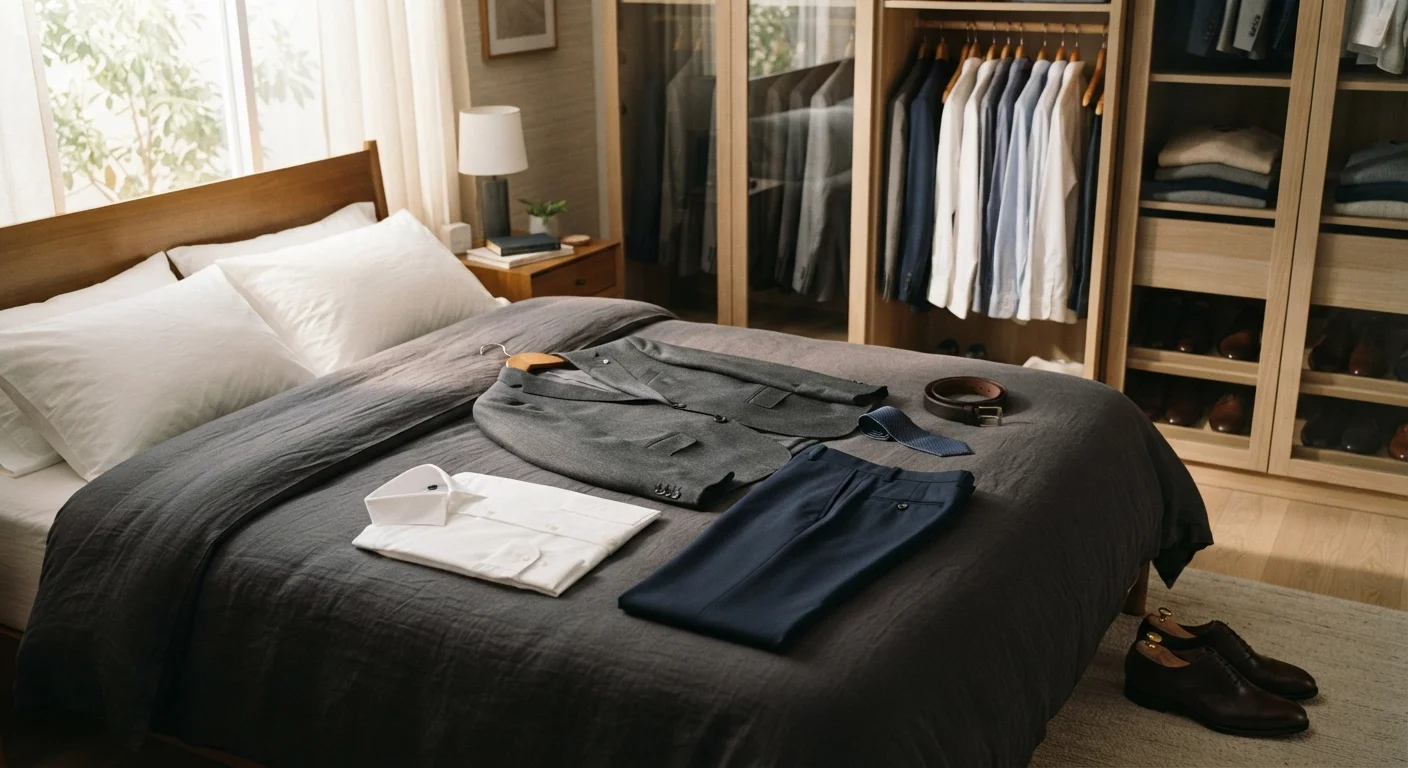
Photo credit: SnippetColumns.com | Easy Search, Reliable Information
You likely already own what you need. This practical guide shows how to put together a polished, appropriate interview look from clothes you already have.
Key Takeaways
- Most people already own at least one interview-appropriate outfit without realizing it.
- Fit and cleanliness matter far more than brand labels or newness of clothing.
- Researching company dress culture before you dress helps you calibrate appropriately.
- Grooming and presentation details can elevate a simple outfit significantly.
- Accessories and layering can transform casual basics into professional combinations.
Why you probably don't need to shop
The impulse to buy something new before a job interview is understandable — it feels like a fresh start. But it also introduces risk: new clothes may not fit quite right, might not be broken in, and can add financial stress during an already uncertain period. The reality is that most wardrobes contain at least one interview-appropriate combination, often overlooked because it's been categorized mentally as "too formal for everyday" or "saved for something special."
Dressing well for an interview is less about what's new and more about what's right — right fit, right level of formality, right condition. Research consistently supports that cleanliness, fit, and grooming are the primary visual signals that create a professional impression. These are all achievable with what you own. If you find genuine gaps after completing this process, strategic budget shopping can address them without overspending.
What you will need
What you'll need and how to do it
Gathering the right tools before you start makes the process smoother. You don't need much — the fundamentals of pressing, cleaning, and checking fit are what separate a polished look from a careless one.
Iron or garment steamer
Removes wrinkles and creases so clothing looks intentionally pressed and polished.
Lint roller or tape
Removes pet hair, lint, and debris that make otherwise clean clothes look unkempt.
Stain remover pen or mild detergent
Treats small spots or marks on clothing before the interview day.
Shoe polish or cleaning wipe
Refreshes the appearance of leather or synthetic dress shoes.
Research the company's dress culture
Before opening your closet, spend ten minutes looking at the company's website, LinkedIn presence, and any photos of employees or the workplace. A law firm interview calls for something different than a startup or a retail operation. Understanding where the dress code falls — formal business, business casual, or smart casual — shapes every decision that follows. When in doubt, dress one level above what you expect employees to wear day-to-day.
Do a full wardrobe pull
Set aside time to take every potentially usable item out of your closet — including rarely worn pieces pushed to the back. Look for: a blazer or structured jacket, button-down or blouse, dark trousers or a pencil skirt, a clean crewneck sweater, and dress shoes or clean leather loafers. Don't edit yet; just gather candidates. You may be surprised what surfaces. A wardrobe audit done even occasionally makes this step significantly faster.
Check fit first, condition second
Try each candidate piece on. Fit is the single biggest factor in whether clothing reads as polished or careless. A well-fitted, modest price-point garment will almost always outperform an ill-fitting expensive one. Look for: shoulders sitting correctly, no pulling across the chest or seat, and trouser hems at the right length. Items that don't fit well should be set aside regardless of how nice they look on the hanger.
Clean, press, and de-lint everything
Once you've selected your combination, launder or spot-clean each piece and press it the night before. Even a basic outfit looks markedly sharper when wrinkle-free. Pay special attention to collars, cuffs, and jacket lapels. Run a lint roller over every surface. Clean your shoes — a damp cloth handles most scuffs on synthetic materials; polish or conditioner for leather. These steps take under an hour and produce a visible difference.
Build the outfit with layering and accessories
Combine your pieces intentionally. A neutral blazer over a simple, well-fitted top is one of the most reliably appropriate combinations across industries. A belt in good condition, a simple watch, or modest earrings can complete a look without requiring anything new. Keep accessories minimal and avoid anything noisy or distracting. The goal is for the interviewer to focus on what you say, not what you're wearing. For ideas on combining what you already own into more flexible outfits, the principles in building a versatile wardrobe are directly applicable here.
Address grooming the night before
A polished outfit paired with unaddressed grooming sends a mixed message. Make sure hair is clean and styled simply; nails are trimmed and clean; and fragrance, if worn, is light. The personal grooming basics apply equally here — this isn't about achieving a specific look, but about presenting as intentional and prepared. Lay out your complete outfit, including shoes and accessories, before you go to sleep so morning logistics are stress-free.
The Power of a Single Blazer
If you own one well-fitting blazer in a neutral color, you have the foundation for almost any interview outfit. It can go over a simple blouse, a clean t-shirt in a pinch, or a button-down — and it signals intention and professionalism across nearly every industry. Treat it as your single most valuable interview asset.
If this process reveals that your wardrobe genuinely lacks flexible, professional pieces, it may be worth exploring building a capsule wardrobe after your interview — so you're prepared next time without the last-minute scramble. For broader confidence in how clothing choices interact with how you carry yourself, understanding fit and proportion offers grounded, practical perspective.

Author
Style & Beauty Editorial Team
Style & Beauty Editorial Team is the collective byline for our editorial team and contributor network. Articles published under this byline or an editorial pen name are researched, written, and reviewed according to our editorial standards for clarity, consistency, and independence before publication.
View all articles →