
Bar Soap vs. Body Wash: What the Difference Actually Means for Your Skin
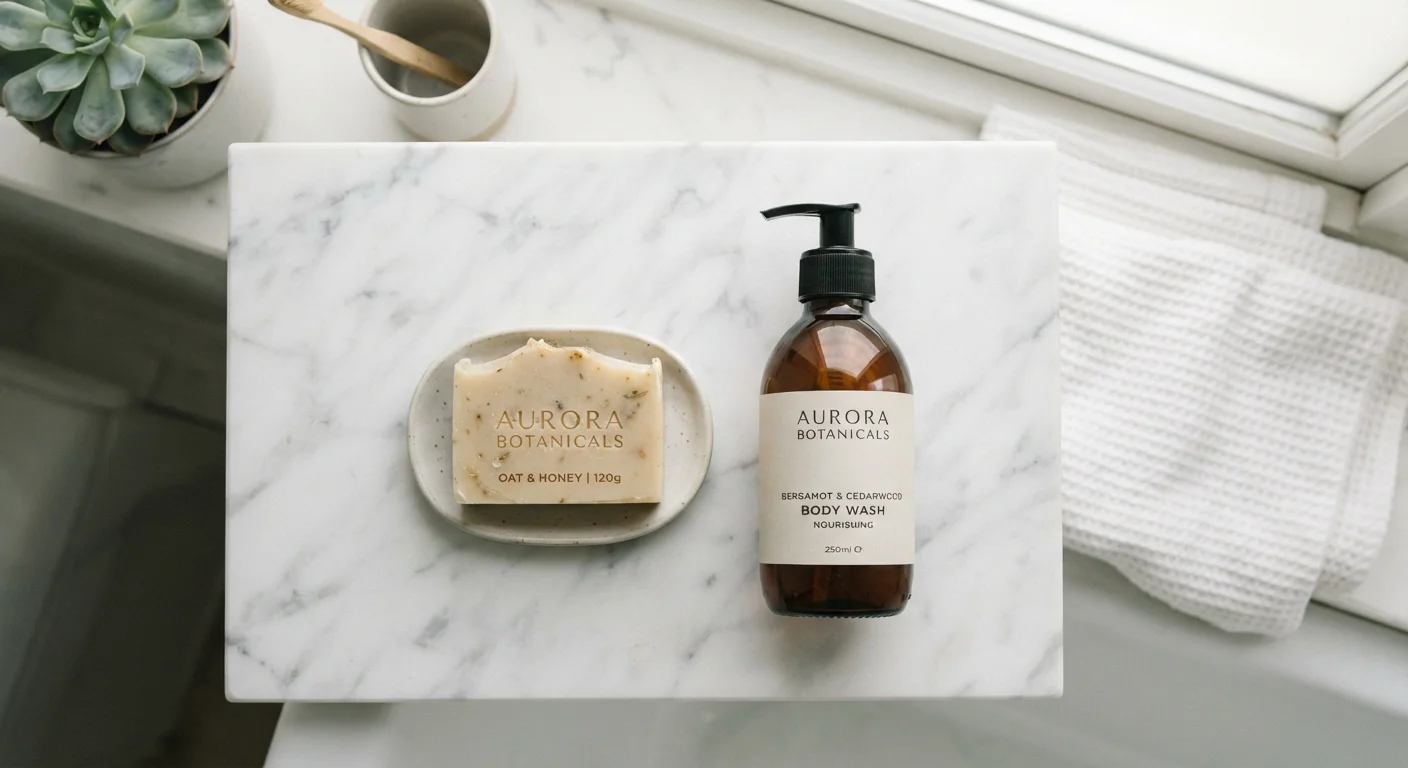
Photo credit: SnippetColumns.com | Easy Search, Reliable Information
In this article
Bar soap and body wash aren't interchangeable. Here's how pH, ingredients, and lather affect your skin differently depending on which you choose.
Key Takeaways
- Bar soap typically has a higher pH than body wash, which can disrupt your skin's natural acid mantle.
- Body washes often contain gentler surfactants and added moisturizing ingredients like glycerin.
- Your skin type — not habit or convenience — should drive which format you choose.
- Neither format is universally superior; formulation quality matters more than the format itself.
- Dry or sensitive skin generally responds better to a well-formulated body wash.
- Both options can be effective when matched to your skin's actual needs.
The pH Factor: Why It Changes Everything
Your skin's surface naturally sits at a slightly acidic pH — generally between 4.5 and 5.5. This is called the acid mantle, and it acts as a barrier against bacteria, environmental irritants, and moisture loss. What you wash with affects whether that barrier stays intact.
Traditional bar soaps are formulated through a process called saponification, which tends to produce a pH between 9 and 10 — significantly more alkaline than your skin. Repeated exposure to that alkalinity can temporarily disrupt the acid mantle, leaving skin feeling tight, dry, or prone to irritation. For people with already-compromised skin barriers — those dealing with eczema or chronic dryness — this disruption can compound existing problems.
Body washes are typically formulated with synthetic detergents (often called syndets) that allow manufacturers to target a pH much closer to your skin's natural range. This doesn't automatically make every body wash gentle, but the format makes skin-compatible formulation easier to achieve. If pH balance matters to you, look for products that explicitly state a skin-friendly pH on the label.
Syndet Bars: A Middle-Ground Option
Not all bar soaps are made through traditional saponification. Syndet (synthetic detergent) bars are solid cleansers formulated to a skin-compatible pH, often between 5.5 and 7. They look and feel similar to bar soap but behave more like a gentle body wash. If you prefer bar format but want pH compatibility, a syndet bar is worth seeking out.
Ingredient Differences That Actually Matter
Beyond pH, the ingredient lists of bar soap and body wash diverge in ways that affect your skin's feel and function after washing.
Bar soaps often contain fatty acids from oils like coconut, palm, or olive, which can leave a slight conditioning residue — sometimes described as that slick post-wash sensation. Some modern bar soaps are formulated with added moisturizers or lower-pH syndets, narrowing the gap with body wash, but classic formulations remain fairly stripped-down.
Body washes have more formulation flexibility. Humectants like glycerin draw moisture into the skin during rinsing. Some contain ceramides to support the skin barrier, or mild acids like lactic acid that gently encourage cell turnover. That said, body washes can also contain fragrance, preservatives, and surfactants that irritate sensitive skin — more ingredients means more potential triggers. Reading labels matters regardless of which format you choose.
For a deeper look at how cleansing choices affect different areas, see our guide on why your face wash isn't interchangeable with your body wash.
| Criterion | Bar Soap | Body Wash |
|---|---|---|
| Typical pH range | 9–10 (alkaline) | 5–7 (near-skin pH) |
| Primary surfactant type | Saponified fatty acids | Synthetic detergents (syndets) |
| Moisturizing ingredients | Limited in traditional formulas | Commonly includes glycerin, ceramides |
| Best for skin type | Normal to oily | Dry, sensitive, or reactive |
| Packaging impact | Minimal, often plastic-free | Usually plastic bottles |
| Risk of over-stripping | Higher with classic formulas | Lower with gentle formulas |
Choosing Based on Your Skin, Not Habit
Most people use whichever format they grew up with, which isn't a bad reason — until your skin signals something isn't working. Persistent dryness, tightness after showering, or recurring irritation are worth paying attention to.
Dry and sensitive skin types generally do better with a gentle body wash that includes moisturizing ingredients. If you prefer bar soap, look for syndet bars specifically formulated with a lower pH — these behave much more like a body wash in terms of skin compatibility. Oily or normal skin types often tolerate traditional bar soap without issue and may prefer the cleaner rinse-off and simpler ingredient list.
It's also worth considering what happens after you cleanse. A well-formulated cleanser of either type shouldn't leave your skin so stripped that you need to immediately compensate with heavy moisturizer — though applying a moisturizer after showering is generally a sound habit regardless. For context on what those post-shower products are actually doing, our article on the difference between moisturizing and hydrating is a useful companion read.
4.5–5.5
Healthy skin surface pH range
Dermatology literature broadly describes this pH range as the natural acid mantle that protects the skin barrier from pathogens and moisture loss.
9–10
Typical traditional bar soap pH
Classic saponification-based bar soaps consistently test in this alkaline range, well above the skin's natural pH balance.
This article is for general informational purposes only and is not medical or dermatological advice. If you have a skin condition or persistent skin concerns, consult a licensed dermatologist or healthcare professional.

Author
Style & Beauty Editorial Team
Style & Beauty Editorial Team is the collective byline for our editorial team and contributor network. Articles published under this byline or an editorial pen name are researched, written, and reviewed according to our editorial standards for clarity, consistency, and independence before publication.
View all articles →