
Scalp Health: The Foundation Most Hair Routines Overlook
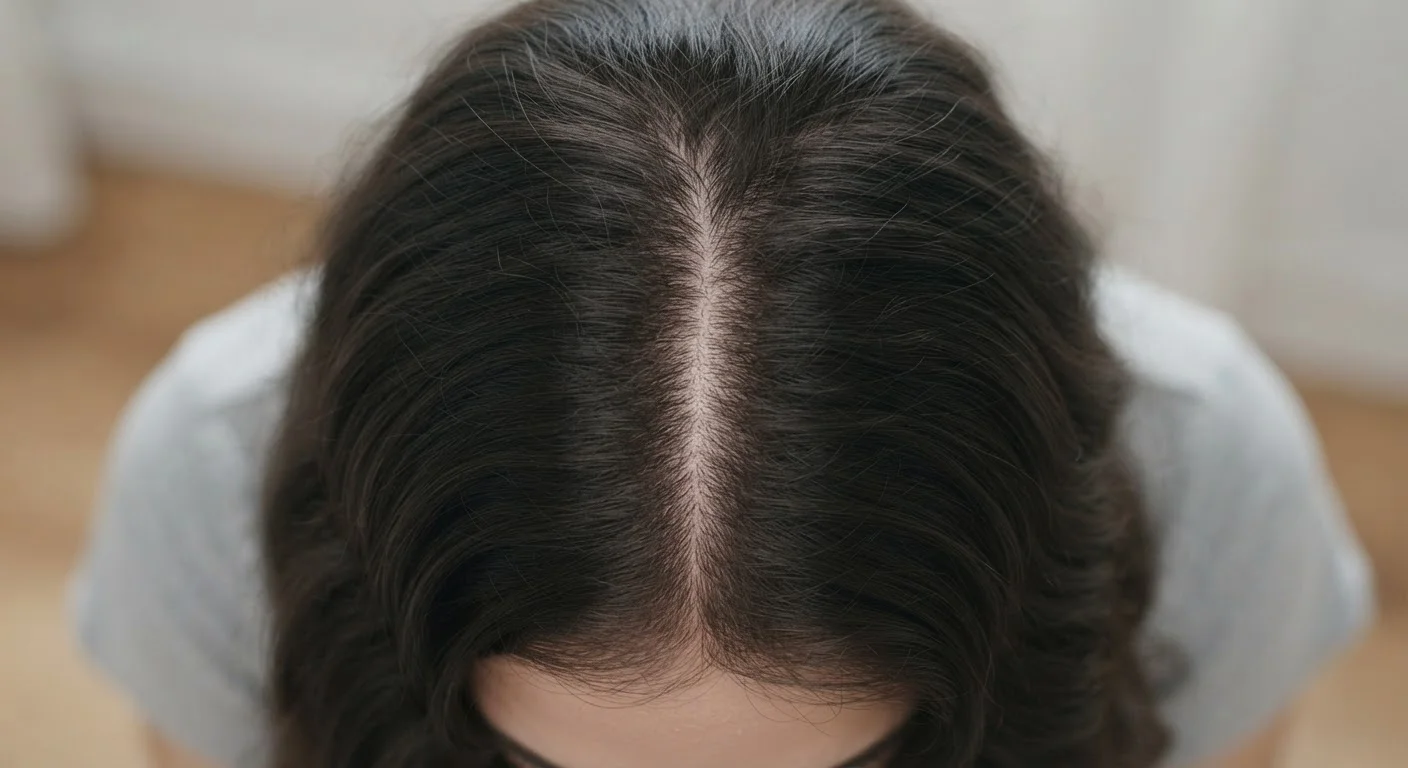
Photo credit: SnippetColumns.com | Easy Search, Reliable Information
In this article
Hair care often focuses on the strand and ignores the scalp. Here's why scalp condition drives everything from hair growth to oiliness.
Key Takeaways
- The scalp is skin — it needs cleansing, balance, and attention just like facial skin.
- Sebum overproduction, product buildup, and moisture imbalance all originate at the scalp.
- Washing frequency should match your scalp type, not a universal rule.
- Persistent flaking, itching, or hair thinning warrants professional evaluation.
- Scalp care is foundational — strand-focused products can't compensate for a neglected scalp.
Why the Scalp Gets Ignored
Most hair care marketing focuses on the strand — shine serums, split-end treatments, smoothing masks. The scalp, by contrast, rarely gets its own spotlight. Yet every strand of hair originates from a follicle embedded in the scalp, which means whatever is happening at the root directly affects what grows from it.
This oversight is partly structural. Products designed for visible hair are easier to photograph, easier to sell, and easier to understand cosmetically. Scalp care, by contrast, deals with skin physiology — sebaceous glands, microbiomes, circulation — concepts that feel clinical rather than aspirational. The result is that most people treat the scalp only when something goes wrong: flaking, itching, or excessive oiliness.
If your hair routine is built around what shampoo and conditioner actually do without accounting for the scalp underneath, you're working from the middle of the equation rather than the beginning.
~50%
Adults affected by dandruff at some point
Dandruff is among the most widespread scalp conditions globally, according to dermatology literature.
100,000+
Hair follicles on the average human scalp
Each follicle is embedded in the scalp's dermis layer, making scalp skin health directly tied to follicle function.
2–3%
Of scalp skin renews every few days
The scalp sheds and regenerates skin cells continuously; disruptions to this cycle contribute to visible flaking.
What the Scalp Actually Does
The scalp is a specialized area of skin — thicker than most body skin, densely populated with hair follicles, and richly supplied with sebaceous glands that produce sebum, the scalp's natural oil. Sebum travels down the hair shaft, providing natural conditioning and a degree of microbial protection. Too little sebum results in a dry, tight scalp and brittle hair; too much creates the greasy roots and accelerated buildup that frustrate many people.
The scalp also hosts a microbial community — primarily fungi and bacteria — that, when balanced, contributes to scalp health. When that balance tips (due to product overuse, hormonal shifts, or environmental factors), conditions like dandruff and seborrheic dermatitis can emerge.
Understanding scalp biology matters for hair porosity and moisture behavior as well. The scalp's sebum output influences how the strand's outer cuticle behaves all the way to the tip.
Think of your scalp the way you think about your face — it benefits from regular, gentle cleansing and shouldn't be stripped of all oil or left to accumulate product indefinitely.
The scalp's sebaceous gland density is comparable to facial skin, and the same principles of barrier preservation that guide facial care apply here.
If you use dry shampoo regularly, schedule a clarifying wash at least once every two weeks to clear follicular buildup before it becomes a chronic irritant.
Prolonged dry shampoo accumulation has been flagged in dermatology discussions as a contributor to scalp inflammation and potential follicle stress when used without adequate cleansing.
Common Scalp Conditions and What They Signal
Several common scalp issues share overlapping symptoms but have different causes:
- Dandruff (pityriasis capitis): Characterized by white or yellowish flakes. Often linked to an overgrowth of Malassezia yeast, which feeds on scalp sebum. It's extremely common and manageable, though not always curable.
- Seborrheic dermatitis: A more inflammatory version of dandruff, producing greasy, yellowish scales, redness, and itching. Can extend beyond the scalp to the face and ears. Considered a chronic condition that cycles between flares and remission.
- Dry scalp: Characterized by small, white flakes without associated redness or oiliness. Often caused by cold weather, harsh cleansers, or over-washing. Unlike dandruff, it typically responds well to moisturizing adjustments.
- Product buildup: Accumulation of styling products, dry shampoo, and conditioner residue that clogs follicles and dulls hair. Often mistaken for other conditions.
- Contact dermatitis: An allergic or irritant reaction to a specific ingredient — fragrances and preservatives are common triggers.
These conditions are general in nature and not diagnostic criteria. Persistent or severe symptoms should always be evaluated by a dermatologist.
Don't Self-Diagnose Persistent Conditions
Dandruff, dry scalp, seborrheic dermatitis, and psoriasis can look nearly identical to the untrained eye but require different treatments. Using the wrong approach — such as applying heavy moisturizers to a fungal condition — can worsen symptoms. If your scalp issue doesn't improve with basic adjustments within a few weeks, see a dermatologist.
Habits That Support a Healthier Scalp
Scalp care doesn't require a separate, elaborate routine — it's mostly about adjusting existing habits with more intention.
Wash frequency that matches your scalp
There is no universally correct wash schedule. People with oily scalps often benefit from more frequent washing; those with dry or sensitive scalps may do better washing less. The key signal is your scalp's behavior, not a calendar rule.
Technique matters as much as product
Massage the shampoo into the scalp directly using fingertip (not nail) pressure. This mechanical action removes buildup, stimulates circulation, and ensures the cleanser reaches the skin rather than just coating the hair shaft.
Rinse thoroughly
Residual shampoo left on the scalp is a common, underappreciated cause of irritation and flaking. A complete rinse takes longer than most people allow.
Limit scalp-contact styling products
Dry shampoos, pomades, and texture sprays applied close to the scalp build up rapidly. Occasional clarifying washes help reset the follicular environment.
These principles integrate cleanly into a structured daily grooming routine and don't require significant time investment, even for those with packed schedules.
Start With a Scalp Assessment
Before changing any products, observe your scalp for two weeks without altering your current routine. Note oiliness at the roots, any itching or flaking, and how your scalp feels 24–48 hours after washing. This baseline tells you far more than any ingredient label will.
When to Consult a Professional
General scalp maintenance is well within the scope of self-care. However, certain situations call for professional evaluation:
- Flaking or itching that persists despite adjusting products and washing habits
- Visible redness, scaling, or sores that don't resolve
- Noticeable hair shedding beyond typical fluctuation (losing clumps, visible scalp thinning)
- Scalp pain, burning, or significant tenderness
A board-certified dermatologist can distinguish between conditions that look similar but require different approaches — and can identify whether systemic factors (hormones, nutritional deficiencies, autoimmune conditions) are contributing. Self-diagnosing and self-treating persistent scalp conditions can occasionally delay appropriate care or worsen the underlying issue.
This article provides general educational information and is not a substitute for personalized medical advice. If you have concerns about your scalp or hair health, consult a qualified healthcare professional.
Hair Loss Deserves Professional Attention
Noticeable, progressive hair thinning is not a cosmetic inconvenience — it can signal hormonal imbalances, nutritional deficiencies, autoimmune conditions, or other systemic issues. Early evaluation generally leads to better outcomes. Do not rely on over-the-counter scalp treatments alone when significant shedding is occurring.

Author
Style & Beauty Editorial Team
Style & Beauty Editorial Team is the collective byline for our editorial team and contributor network. Articles published under this byline or an editorial pen name are researched, written, and reviewed according to our editorial standards for clarity, consistency, and independence before publication.
View all articles →