
Filing a Car Insurance Claim: A Step-by-Step Walkthrough
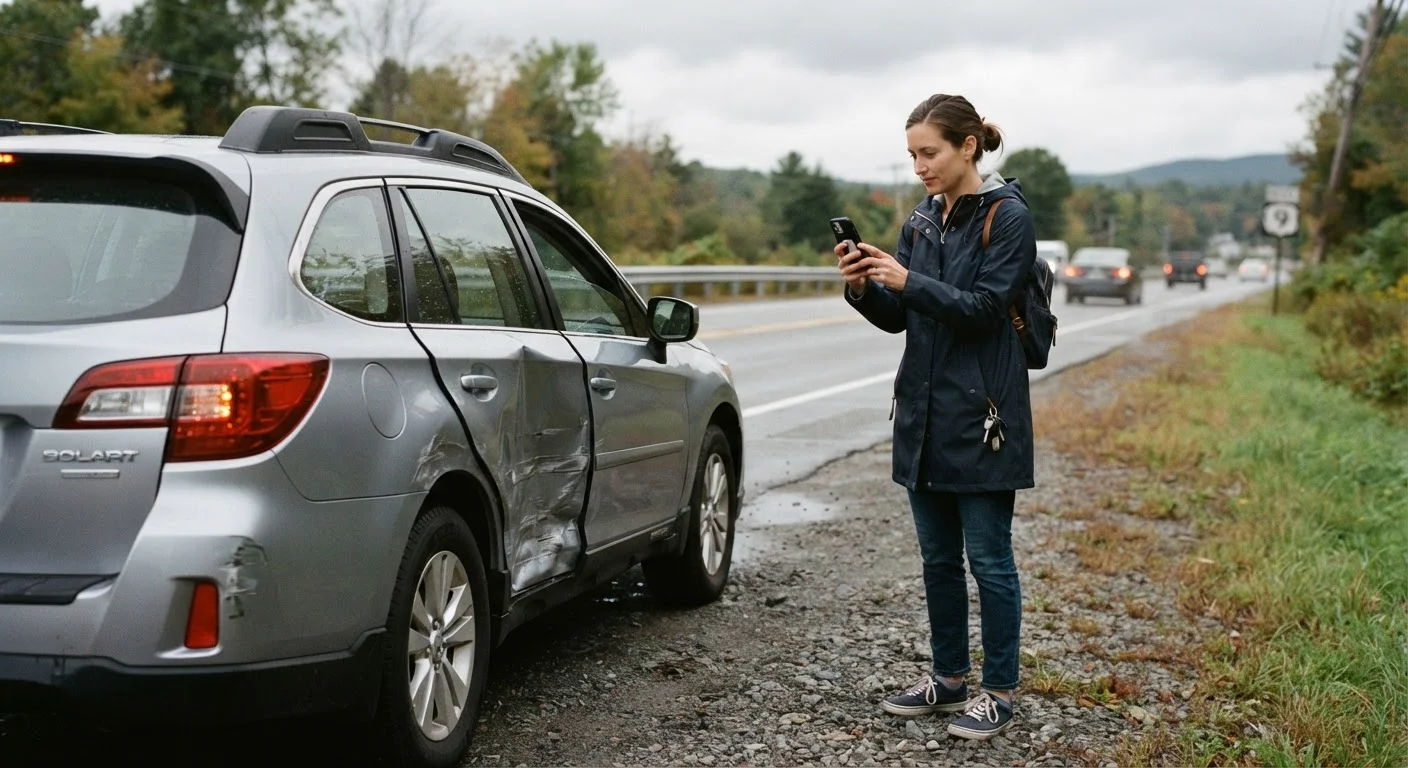
Photo credit: SnippetColumns.com | Easy Search, Reliable Information
In this article
From documenting the scene to communicating with your adjuster, here's a practical guide to navigating the claims process with confidence.
Key Takeaways
- Document the scene thoroughly before moving vehicles or leaving the location.
- Notify your insurer promptly - most policies require timely reporting after an incident.
- Your adjuster determines fault and repair value; understanding their role helps you respond effectively.
- Keep a written record of every conversation, date, and document exchanged during the process.
- Coverage type determines what your insurer will pay - knowing yours avoids costly surprises.
Why the Claims Process Feels Harder Than It Should
Filing a claim after an accident or loss is stressful - adrenaline is high, the situation feels unfamiliar, and the stakes are real. Most drivers have little practice with the process, which makes each step feel more complicated than it actually is. Understanding what to expect in advance is the single most effective way to reduce that friction.
The coverage type on your policy determines exactly what the insurer will pay for. If you are unclear on the difference between collision, comprehensive, and liability, review our plain-language coverage breakdown before filing - knowing which coverage applies to your situation shapes every decision you make during the process. For unfamiliar policy terms you encounter along the way, our auto insurance glossary is a useful quick reference.
What you will need
What You'll Need Before You Start
Having the right tools and information on hand before an incident - or immediately after one - keeps the process moving and prevents avoidable delays. Review the tools below so you know what to pull together.
Smartphone or Camera
Photograph vehicle damage, the surrounding scene, license plates, and any visible injuries.
Insurance ID Card
Exchange policy information with other involved parties at the scene.
Notepad or Notes App
Record names, contact details, witness statements, and claim reference numbers.
Police Report Number
Provides an official record of the incident that insurers frequently require for claims.
Repair Estimate (from a body shop)
Gives you an independent cost benchmark to compare against the adjuster's assessment.
Report Within Your Policy's Timeframe
Most auto insurance policies include a reporting requirement - failing to notify your insurer promptly can jeopardize your claim, even if you were not at fault. Check your declarations page or call your insurer as soon as possible after an incident. When in doubt, report first and ask questions after.
Step-by-Step: Filing Your Claim
Follow these steps in order. Each one builds on the last, and skipping steps - especially early documentation - is the most common reason claims get delayed or disputed.
Secure the Scene and Ensure Safety
Before anything else, check for injuries. Call 911 if anyone is hurt or if the vehicles are blocking traffic. Move vehicles to the shoulder only if it is safe to do so and local law allows it. Turn on hazard lights and use flares or warning triangles if available.
Document Everything at the Scene
Photograph all vehicle damage from multiple angles, the overall scene, road conditions, traffic signals, skid marks, and license plates. Note the time, date, weather, and exact location. Collect the other driver's name, license number, insurance company, and policy number. Get contact information from any witnesses.
Notify Your Insurer
Contact your insurance company as soon as practical after the incident. Most insurers have 24-hour claims lines and mobile apps that let you start a claim immediately. Provide the basic facts - date, location, parties involved, and a description of what happened. You will receive a claim number; save it.
Work With the Claims Adjuster
Your insurer will assign a claims adjuster to investigate the incident, determine liability, and assess repair costs. Cooperate fully: answer questions factually, provide your photos and documentation, and ask the adjuster to explain each step they are taking. You have the right to ask for the adjuster's reasoning in writing.
Arrange Vehicle Inspection and Repairs
The adjuster will either inspect your vehicle in person or use photos to generate a repair estimate. Some insurers have preferred repair networks, but in most states you have the right to choose your own shop. Get at least one independent estimate so you can compare it with the insurer's figure before authorizing work.
Understand the Settlement and Close the Claim
Once repairs are assessed, the insurer will issue a settlement offer - either a payment to the repair shop or a check to you, minus your deductible. Review the settlement carefully before accepting. If your vehicle is declared a total loss, the insurer will typically offer actual cash value (ACV), which reflects market value at the time of loss, not replacement cost. If you believe the offer is too low, you can negotiate by providing comparable vehicle listings or requesting a second appraisal.
Admitting Fault at the Scene Can Hurt You
Avoid making statements that could be interpreted as accepting liability - even a casual apology. Fault determination is a formal process handled by adjusters and, when necessary, legal professionals. Stick to exchanging factual information with the other party.
After the Claim: Keeping Your Policy Accurate
Once your claim closes, it is worth reviewing your policy to confirm your coverage still fits your situation. A claim can affect your premium at renewal, and it is also a good trigger to check whether your deductible level still makes sense given your financial position.
If the incident involved a new vehicle, a change of address, or a shift in how much you drive, update your policy accordingly. Our guide on keeping your policy current as your life changes walks through the most common scenarios. For a broader look at how auto insurance works end to end, see the full picture on auto insurance coverage.
Keep a Claims Folder From Day One
Create a dedicated folder - physical or digital - for every document, photo, email, and claim number related to the incident. A clear paper trail makes it easier to dispute any discrepancy and speeds up resolution if the claim becomes complicated.
This article is for general informational purposes only and does not constitute legal, financial, or insurance advice. Coverage terms, claim procedures, and regulations vary by insurer and state. Always review your actual policy documents and consult a licensed insurance professional for guidance specific to your situation.

Author
Autos & Driving Editorial Team
Autos & Driving Editorial Team is the collective byline for our editorial team and contributor network. Articles published under this byline or an editorial pen name are researched, written, and reviewed according to our editorial standards for clarity, consistency, and independence before publication.
View all articles →