
Keeping Kids Comfortable and Engaged on Multi-Day Drives
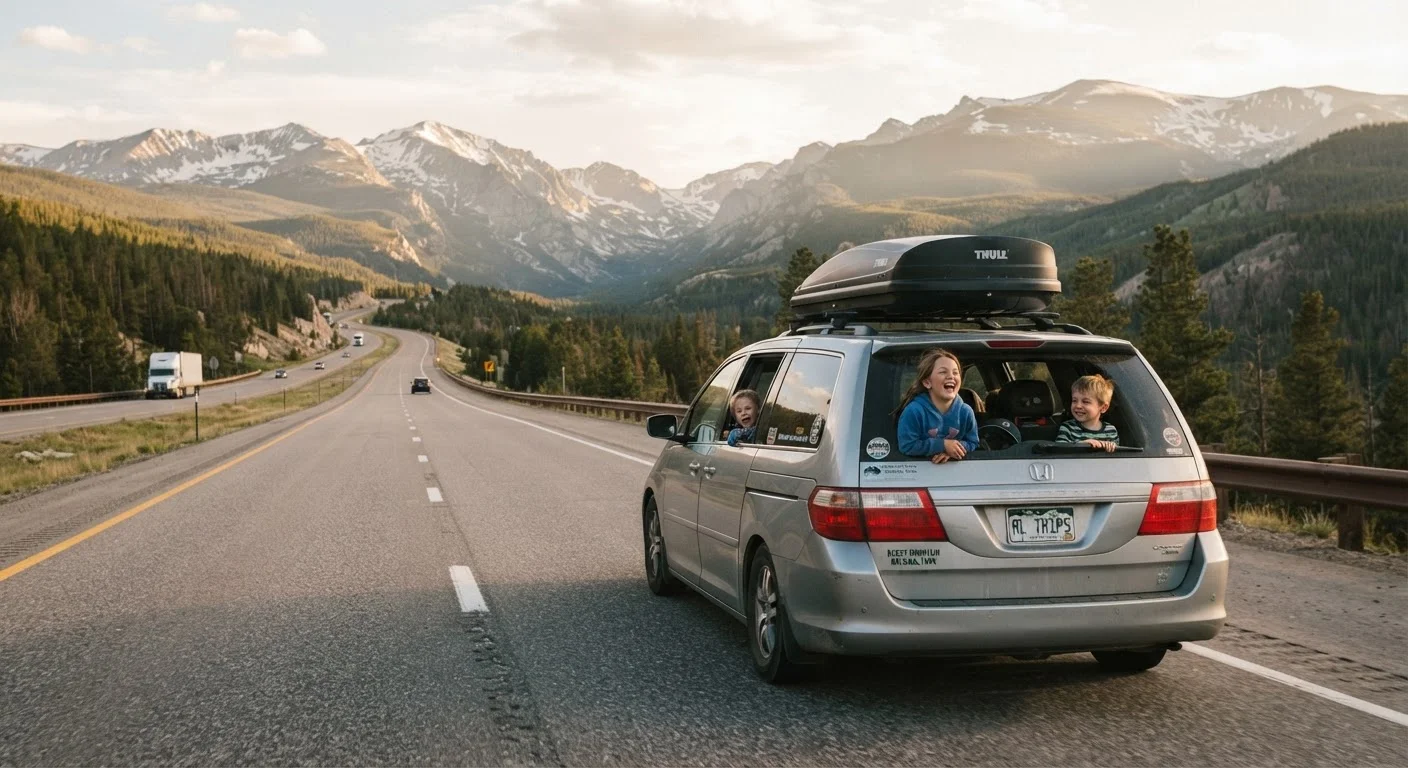
Photo credit: SnippetColumns.com | Easy Search, Reliable Information
In this article
Practical strategies for managing long hours in the car with children — from seating and snacks to screen time and spontaneous stops.
Key Takeaways
- Plan rest stops every 90–120 minutes to manage kids' energy and reduce frustration in the car.
- A mix of screen time, audio content, and hands-on activities keeps children engaged longer than any single format.
- Seat comfort, temperature control, and easy-access snacks prevent the small discomforts that escalate into meltdowns.
- Build buffer time into daily mileage goals — rigid schedules are the fastest route to a stressful trip.
- Prepare a dedicated travel bag for each child stocked before departure, not assembled on the fly.
Set Realistic Daily Mileage Targets
The single biggest mistake families make is treating a multi-day drive the same way a solo driver would. Kids need more stops, more transitions, and more margin for the unexpected. A realistic daily target for families with children under 12 is generally 300–400 miles, depending on your kids' ages and temperaments. Pushing beyond that consistently produces diminishing returns — stress, tears, and a driver who's too frazzled to enjoy the destination.
Build your route around natural stopping points rather than optimizing purely for speed. See the complete road trip planning framework for a structured approach to matching route design to your family's actual pace. Avoid the planning traps covered in common road trip planning mistakes — over-scheduling a day is even more punishing when kids are in the car.
Structure Breaks Before Kids Ask for Them
Don't wait for complaints. Schedule a physical stop every 90 to 120 minutes, even if everyone claims to be fine. Children's restlessness accumulates before it's expressed, and a five-minute stretch at a rest area costs far less than thirty minutes of managing a meltdown at highway speed.
At each stop, the goal is movement. Let kids run, jump, or simply walk loops around the car. Structured mini-games — "touch the fence and back," or a quick round of tag — reset energy levels more effectively than passive sitting. Keep stops purposeful but short: refuel adults with coffee, rotate kids' seating positions when safe and legal in your state, and get back on the road before momentum is lost.
Build an Engagement Stack, Not a Single Screen Plan
Screens are a legitimate tool — there's no need to feel guilty about in-car video or downloaded shows. But relying on a single tablet for hours on end tends to produce diminishing engagement by mid-afternoon. A more durable approach layers multiple formats throughout the day.
- Morning hours: Audiobooks and podcasts designed for kids (many public libraries offer free streaming through apps like Libby or Hoopla) tend to work well when children are fresh.
- Midday: Introduce low-tech activities — travel bingo cards, magnetic drawing boards, or simple trivia games the whole car can play.
- Afternoon slump: This is when screens earn their keep. Downloaded content works best here because cellular coverage on rural interstates can be unreliable.
If you're using a shared tablet, the shared family tablet setup guide walks through profiles and parental controls that make device-sharing less contentious between siblings.
Screen Time on the Road vs. at Home
The American Academy of Pediatrics' general guidance on daily screen time is intended for sedentary home use, not travel contexts. Many pediatricians acknowledge that longer screen use during travel is a reasonable exception. If you have specific concerns about your child's screen habits, consult your child's pediatrician.
Manage Comfort From the Ground Up
Physical discomfort is a quiet multiplier of bad moods. A few targeted adjustments make hours in a seat far more tolerable:
Use a small pillow or travel cushion behind each child's lower back during long stretches.
Standard vehicle seat design is optimized for adults, leaving children's shorter torsos without adequate lumbar support. Chronic low-level discomfort builds over hours and contributes to restlessness that parents often misread as boredom.
Keep the rear cabin temperature slightly cooler than driver preference — around 68–70°F if possible.
Warm interiors accelerate drowsiness and irritability in children. A cooler environment maintains alertness without the discomfort of being cold, since kids can use a light blanket if needed.
Rotate each child's primary entertainment format at least once every two hours.
Passive consumption of a single media type produces faster fatigue than alternating between formats. Rotation also prevents one sibling monopolizing the preferred screen while another disengages.
Pack a clearly labeled individual travel bag for each child before departure.
Rummaging through shared bags mid-drive for the correct toy or snack is a significant distraction for the driver. Dedicated bags reduce conflict between siblings and make items predictably locatable.
One often-overlooked factor is vehicle load weight. A heavier car changes how the suspension absorbs bumps — relevant if you're packing a full trunk plus a roof cargo carrier. Keeping load balanced and within the manufacturer's recommended capacity is worth checking before departure. The fuel economy on long drives guide also covers how load affects efficiency, which matters when you're covering several hundred miles a day.
Snacks as Strategy, Not Just Sustenance
Hunger hits kids fast and hard. Keeping easy-access snacks in the back seat — not buried in the trunk — prevents the low-blood-sugar irritability that can derail an otherwise smooth stretch of highway. Favor snacks that aren't messy, don't melt, and have some protein or fiber to extend satiety: string cheese, dry cereal, crackers, grapes in a sealed container, or trail mix without chocolate on hot days.
Avoid relying on drive-throughs for every meal. The time cost adds up, and fried food in large quantities tends to produce sluggishness in the afternoon. Plan one real sit-down meal per day where possible — it gives kids a genuine break from the car and reduces the frantic energy that sometimes builds after hours of confinement.
~90 min
Recommended maximum stretch between rest stops for families with young children
Pediatric travel guidance from AAA and family travel advisors consistently cites 90-minute intervals as the practical upper limit for children under 10.
300–400 mi
Practical daily mileage range for families with kids
Family travel planning resources generally suggest capping daily distances at this range to account for the additional stops and pacing children require.
Freeze Water Bottles the Night Before
Freeze one or two water bottles the evening before each driving day. They'll melt gradually, keeping drinks cold for hours without the bulk of a full cooler. This is especially useful in summer when the back seat heats up faster than the front.
Overnight Stays: Choosing What Works for Your Family
Multi-day trips mean at least one overnight stop, and the right choice depends heavily on your kids' ages and sleep routines. A detailed comparison of options is available in the overnight lodging comparison guide. For families with young children, consistency matters: a toddler who needs a pack-n-play will have a very different overnight experience at a campsite versus a budget motel. Booking a room with a kitchenette allows you to prepare simple breakfasts rather than losing 45 minutes to a restaurant before hitting the road.
Arrive at your overnight destination no later than 6–7 p.m. when traveling with kids. Rushing the evening check-in and skipping a proper wind-down routine typically produces a rough next morning, which compounds across subsequent driving days.
This article provides general guidance for family road trip planning and is not a substitute for your own judgment about your children's individual needs, vehicle specifications, or applicable traffic and child safety seat laws in your state.

Author
Autos & Driving Editorial Team
Autos & Driving Editorial Team is the collective byline for our editorial team and contributor network. Articles published under this byline or an editorial pen name are researched, written, and reviewed according to our editorial standards for clarity, consistency, and independence before publication.
View all articles →