
Reading a Nutrition Label Without the Confusion
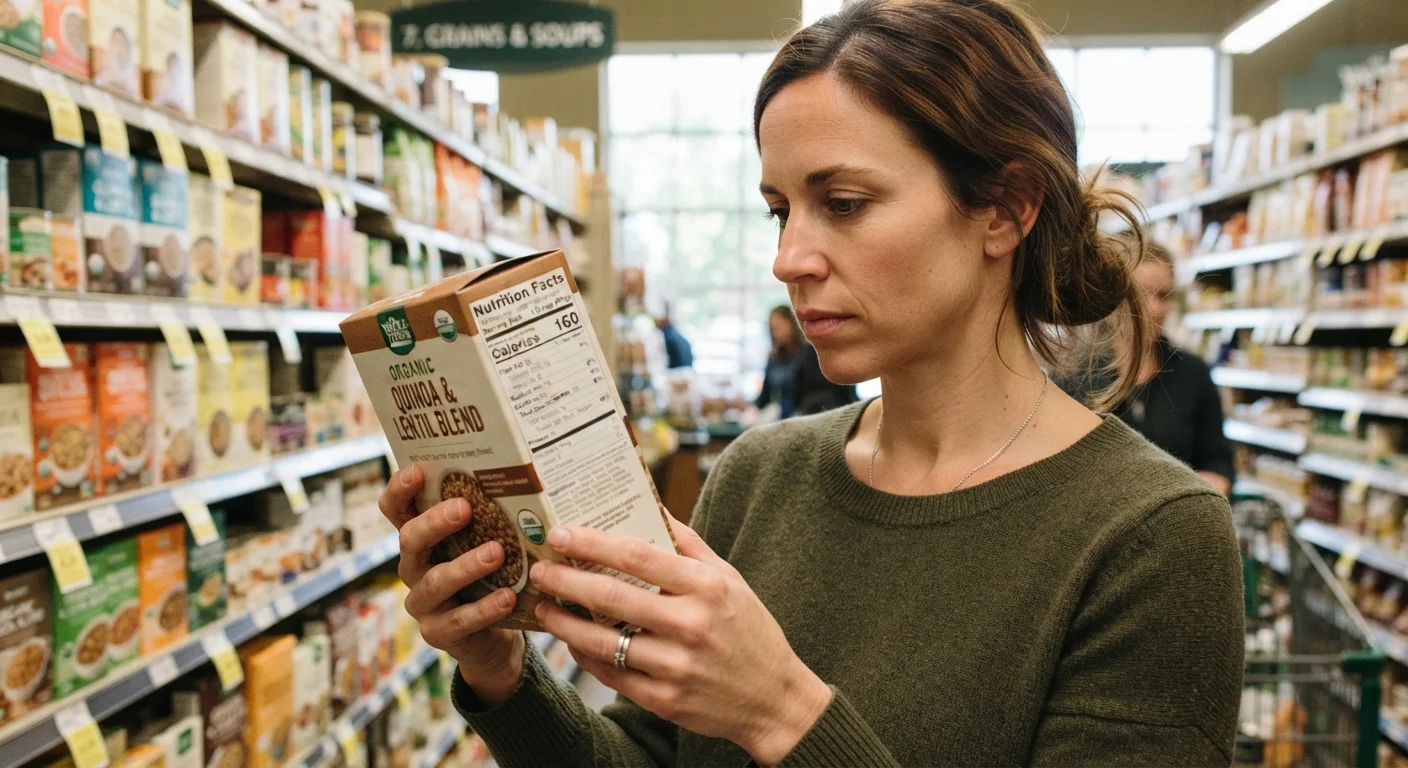
Photo credit: SnippetColumns.com | Easy Search, Reliable Information
In this article
Serving sizes, daily values, ingredient order — learn what each part of a food label actually tells you before your next grocery run.
Key Takeaways
- Serving size controls every other number on the label — always check it first.
- Percent Daily Values are based on a 2,000-calorie reference diet and may not match your needs.
- Ingredients are listed by weight, so what appears first is most abundant in the product.
- Added sugars and sodium are the two nutrients most Americans exceed on a typical day.
- A short ingredient list is not automatically healthier than a longer one.
Why the Nutrition Facts Panel Exists
The Nutrition Facts label has appeared on most packaged foods in the United States since 1994 and was significantly updated in 2020. Its purpose is straightforward: give consumers standardized, regulated information so they can make meaningful comparisons between products and understand what they're actually eating.
Despite that mandate, many shoppers either skip the label entirely or focus on only one or two numbers — usually calories — while ignoring the rest. This guide walks through each section of the panel in the order it appears, so you can build a consistent, practical habit at the grocery store.
If you're also curious how food label decoding compares to reading product labels in other categories, the same logic of ingredient order and marketing language applies — see how it plays out in beauty product labeling as a useful contrast.
What you will need
Step-by-Step: Reading Every Section of the Label
Follow these steps the next time you pick up a packaged item. With practice, scanning a label takes under a minute and becomes second nature.
Start with serving size — not calories
The very first line of the Nutrition Facts panel is serving size, and every single number below it applies to that amount only. If the label says one serving is 28 grams (about one cup) but you typically pour two cups, every nutrient figure doubles for your actual portion.
Manufacturers are required to use serving sizes that reflect amounts people realistically consume, per FDA rules updated in 2020. Even so, compare the stated serving to what you actually eat before reading anything else.
Read the calorie count in context
Calories measure how much energy a serving provides. They matter, but they don't tell you anything about nutritional quality on their own. A 200-calorie serving of nuts and a 200-calorie serving of a sweetened snack cake deliver very different nutrients.
Use calories as one data point alongside what the food actually contains, not as the sole measure of whether something is worth eating.
Decode the Percent Daily Value (%DV)
The %DV column shows how much of each nutrient one serving contributes toward a standard daily reference intake, based on a 2,000-calorie diet. A general rule of thumb from the FDA: 5% DV or less is considered low for a nutrient; 20% DV or more is considered high.
- Aim higher: fiber, vitamin D, calcium, iron, potassium
- Aim lower: saturated fat, sodium, added sugars
Keep in mind that 2,000 calories is a reference point — your personal needs may differ based on age, sex, activity level, and health status. A registered dietitian can help you interpret these numbers for your specific situation.
Spot added sugars separately from total sugars
The updated Nutrition Facts label now lists added sugars as a separate sub-line under total sugars. This distinction matters because added sugars — those incorporated during processing — are the ones dietary guidelines flag as worth limiting. Naturally occurring sugars in whole fruit or plain dairy come packaged with fiber, protein, and micronutrients that change how the body processes them.
The Dietary Guidelines for Americans recommend keeping added sugars below 10% of total daily calories. For a 2,000-calorie diet, that works out to about 50 grams per day — though individual targets vary.
Check sodium and saturated fat
Sodium and saturated fat are the two nutrients most Americans tend to consume in excess, according to long-standing public health data. A single serving of some packaged soups, sauces, or snack foods can deliver 40–50% of the daily sodium reference value — meaning two servings could account for the full day's recommended amount.
For saturated fat, current dietary guidance from major health organizations generally suggests keeping it to less than 10% of daily calories and favoring unsaturated fat sources where possible. Neither nutrient needs to be eliminated — moderation and overall diet pattern matter more than any single food.
Read the ingredient list from top to bottom
Ingredients are listed in descending order by weight — what appears first is present in the greatest amount. If refined flour or sugar is the first ingredient in a product you assumed was primarily oat-based, the label is telling you the actual story.
A few practical notes:
- A longer ingredient list doesn't automatically mean a worse product. Some nutrient-fortified foods or mixed dishes have many ingredients for legitimate reasons.
- Watch for sugar under multiple names: corn syrup, dextrose, maltose, evaporated cane juice, and others all count as added sugars.
- Allergens (milk, eggs, wheat, peanuts, tree nuts, fish, shellfish, sesame, and soybeans) must be declared, either within the list or in a "Contains" statement below it.
Fiber Is Worth Seeking Out
Most Americans fall well short of recommended daily fiber intake. When comparing similar products — breads, cereals, crackers — the fiber line is one of the most useful differentiators on the label. For a deeper look at why fiber matters, see our guide to dietary fiber.
For a broader understanding of how nutrients work together in your diet, our quick-reference nutrition facts guide covers daily recommended intakes and key nutrient roles in one place. And if added sugars on the label catch your eye, the difference between natural and added sugars is worth understanding in more depth.
Putting It All Together
No single nutrient or number makes a food good or bad. The label is a tool for comparison and awareness, not a report card. A product with 20% DV of sodium isn't necessarily off-limits — it depends on everything else you eat that day and your personal health context.
The most practical habit is to pick two or three numbers most relevant to your health goals and scan for those consistently. Over time, you'll build a mental baseline for what typical values look like, which makes outliers — unusually high sodium, a surprisingly large serving distortion, or added sugars buried in what looked like a savory product — much easier to spot.
For a practical framework on building meals that reflect this kind of label awareness without obsessive tracking, see building a balanced plate without counting every calorie. And if you find yourself overwhelmed choosing between similar products, the strategies in beating decision fatigue can help simplify those in-aisle choices.
This article provides general nutrition education and is not a substitute for personalized medical or dietary advice. If you have specific health conditions or nutritional needs, consult a registered dietitian or qualified healthcare provider.

Author
Health & Wellness Editorial Team
Health & Wellness Editorial Team is the collective byline for our editorial team and contributor network. Articles published under this byline or an editorial pen name are researched, written, and reviewed according to our editorial standards for clarity, consistency, and independence before publication.
View all articles →