
At-Home Grooming for Dogs: What You Can Do Safely Between Appointments
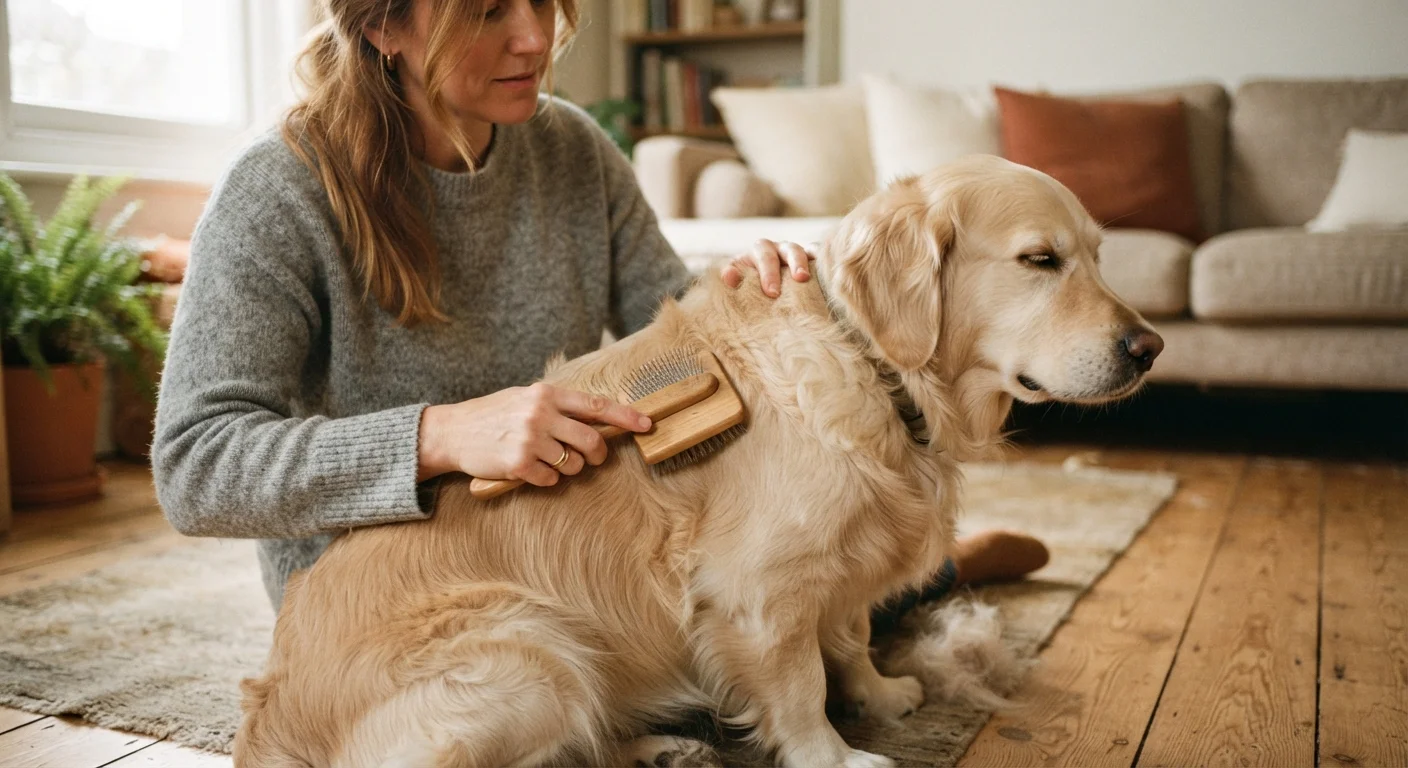
Photo credit: SnippetColumns.com | Easy Search, Reliable Information
In this article
Brushing, ear checks, nail filing, and more — discover the grooming tasks pet owners can handle at home and which ones call for a professional.
Key Takeaways
- Brushing, ear checks, and paw inspections are safe, effective tasks most dog owners can do at home.
- Nail grinding or filing is safer for beginners than clipping, which risks cutting the quick.
- Grooming sessions double as health checks — unusual lumps, odors, or skin changes warrant a vet call.
- Professional groomers handle complex tasks like scissor trims, anal gland expression, and deep ear cleaning.
- Consistency between appointments keeps your dog comfortable and reduces grooming stress long-term.
Why Between-Appointment Grooming Matters
Professional grooming appointments are essential, but most dogs need attention well before their next visit. Coat tangles, debris in paw pads, and wax buildup in ears can all develop quickly — and left unaddressed, they can become uncomfortable or even lead to health problems. Routine at-home care fills the gap.
Beyond cleanliness, these sessions give you a consistent opportunity to observe your dog's body. Changes in skin condition, new lumps, or unusual odors are often first noticed during hands-on grooming — not at the vet's office. Think of home grooming as both maintenance and monitoring. For a broader framework on tracking your pet's wellbeing week to week, see the weekly pet care audit.
What You Can Safely Handle at Home
Most everyday grooming tasks are well within reach for attentive owners. The key is using the right tools, moving at your dog's pace, and knowing when to stop. Starting these habits early — ideally in puppyhood — makes the process easier as your dog ages. For a look at how grooming needs shift across a dog's life, grooming across life stages offers a helpful reference.
When to Leave It to a Professional
Some grooming tasks carry real risk if done incorrectly at home. Scissor trimming around the face, ears, and paws requires technique and experience that most owners simply haven't developed. Anal gland expression, when done improperly, can cause injury or infection — this is best left to a groomer or veterinarian. Deep ear cleaning beyond the outer ear canal should also be handled professionally, particularly in dogs prone to ear infections.
If your dog is resistant, anxious, or in pain during any grooming task, stop and consult your veterinarian before continuing. Grooming should never be a source of trauma for your pet. Regular professional checkups help too — annual wellness exams often catch grooming-related issues before they escalate.
Make Grooming a Calm, Rewarding Experience
Dogs who resist grooming often do so because past sessions were rushed, uncomfortable, or unpredictable. If your dog is anxious, start with one-minute sessions focused only on touch and reward. Gradually introduce tools over several sessions before using them in earnest. Patience during the introduction phase pays off significantly over a dog's lifetime.
Building a Consistent Home Grooming Routine
Frequency matters more than intensity. Short, calm sessions two to three times per week are far more effective than occasional marathon grooming marathons that stress your dog. Pair grooming with a predictable cue — the same time of day, the same location — so your dog learns what to expect. Keep sessions positive by ending on a calm note, with praise or a small treat.
Don't overlook dental hygiene as part of your overall grooming routine. daily dental care for dogs addresses one of the most commonly skipped but genuinely important aspects of at-home pet maintenance. For more on your dog's overall health picture, pet health and wellness resources provide a strong foundation for ongoing care decisions.
This article is for general informational purposes only and does not constitute veterinary or medical advice. Always consult a licensed veterinarian for guidance specific to your dog's health needs.

Author
Pets & Animal Care Editorial Team
Pets & Animal Care Editorial Team is the collective byline for our editorial team and contributor network. Articles published under this byline or an editorial pen name are researched, written, and reviewed according to our editorial standards for clarity, consistency, and independence before publication.
View all articles →