
Daily Dental Care for Dogs: What It Involves and Whether It's Worth the Effort
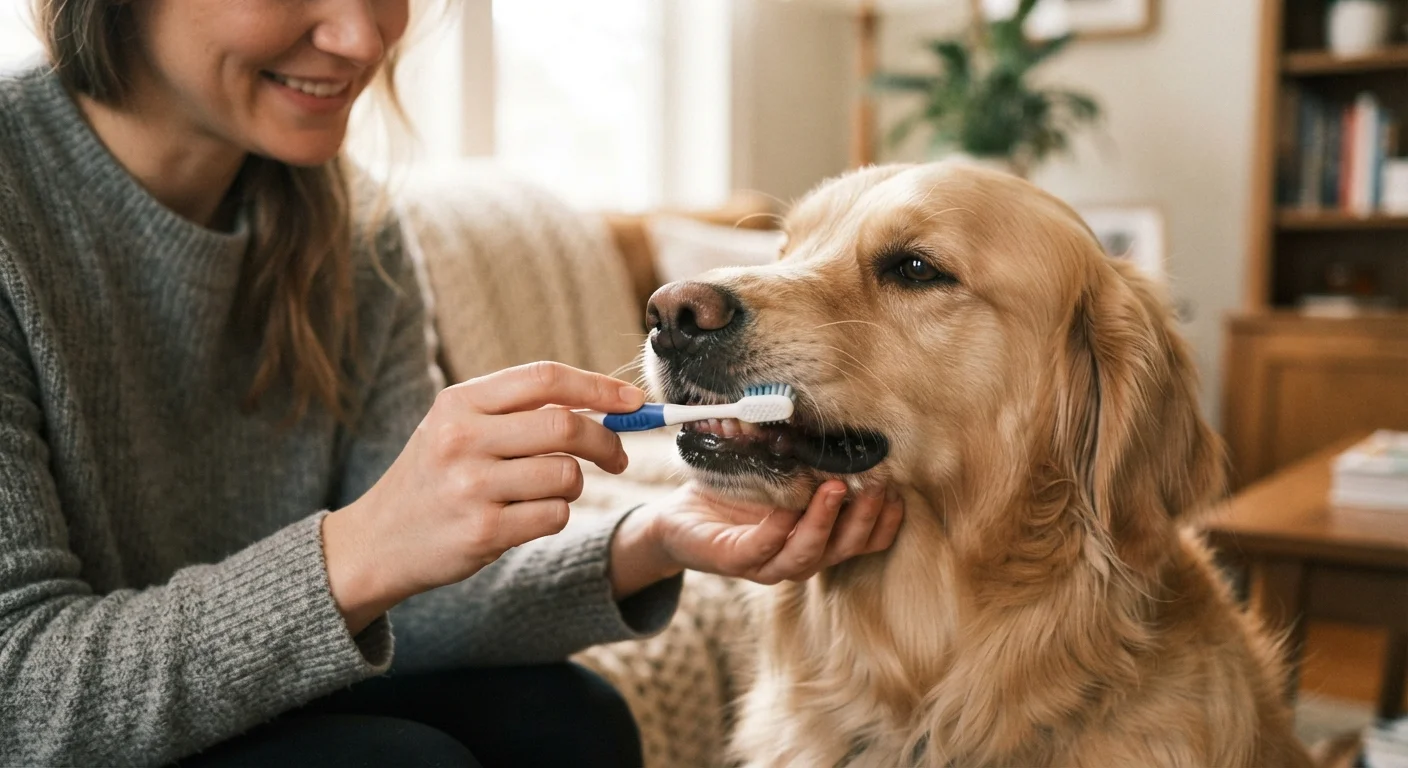
Photo credit: SnippetColumns.com | Easy Search, Reliable Information
In this article
Canine dental disease is common and preventable. Weigh the real benefits and practical challenges of brushing your dog's teeth every day.
Key Takeaways
- Periodontal disease affects an estimated 80% of dogs by age three, making dental care a genuine health priority.
- Daily brushing with dog-safe toothpaste is the gold standard for preventing plaque and tartar buildup.
- Dental chews, water additives, and dental diets can supplement brushing but generally don't replace it.
- Most dogs can be trained to tolerate brushing when introduced gradually and positively.
- Professional cleanings under anesthesia remain necessary even with a solid home care routine.
Significantly reduces plaque and tartar accumulation
Daily brushing physically disrupts the biofilm of bacteria before it hardens into tartar. This is the single most effective at-home intervention for preventing periodontal disease.
Lowers risk of painful gum disease
Gingivitis and periodontitis cause chronic discomfort that dogs often mask. Consistent oral care reduces the likelihood that infection will advance to tissue and bone loss around the teeth.
May reduce frequency of costly professional cleanings
Veterinary dental cleanings require general anesthesia and carry associated costs and risks. A strong home routine can extend the interval between professional procedures.
Supports overall systemic health
Oral bacteria linked to periodontal disease have been associated with inflammation affecting the heart, kidneys, and liver. Reducing bacterial load in the mouth may benefit the whole body.
Creates an opportunity to spot problems early
Daily handling of your dog's mouth makes it easier to notice swollen gums, broken teeth, or unusual growths before they become serious — acting as an informal early-warning system.
Many dogs resist brushing, especially at first
Dogs unaccustomed to mouth handling may pull away, mouth the brush, or become anxious. Building tolerance takes time and consistent desensitization — some dogs never fully accept it.
Requires a genuine daily time commitment
Two to three minutes per day sounds minimal, but fitting it into a busy schedule consistently over years is a real ask. Many owners start strong and gradually drift away from the habit.
Doesn't eliminate the need for professional cleanings
Even well-brushed dogs typically need a veterinary dental cleaning every one to three years. Home brushing is complementary to professional care, not a replacement for it.
Risk of using unsafe products
Human dental products — including toothpaste, whitening gels, and mouthwash — can be toxic to dogs. Owners must source veterinary-approved supplies and remain vigilant about substitutions.
Technique matters and is easy to get wrong
Brushing too aggressively can irritate gum tissue, while brushing at the wrong angle may miss the plaque-prone zone at the gumline. A brief demonstration from your veterinarian can prevent common errors.
Why Canine Dental Health Deserves Daily Attention
Dental disease is one of the most commonly diagnosed conditions in dogs, yet it remains largely preventable. According to the American Veterinary Medical Association, most dogs show signs of periodontal disease by age three. Left unchecked, bacteria from infected gums can enter the bloodstream and place stress on the heart, kidneys, and liver — making this far more than a cosmetic concern.
Plaque forms on teeth within hours of eating. When it mineralizes into tartar, it can't be removed by brushing alone and requires a professional cleaning. Daily home care is specifically designed to interrupt this cycle before tartar takes hold. As part of a broader preventive wellness strategy, dental hygiene belongs in the same category as parasite control and regular checkups.
~80%
Dogs with periodontal disease by age three
The American Veterinary Medical Association cites this figure as a commonly referenced estimate across veterinary literature.
24–48 hrs
Time for plaque to begin mineralizing into tartar
Veterinary dental guidelines note this rapid timeline as the primary rationale for daily rather than weekly brushing.
What a Daily Dental Routine Actually Looks Like
The core of any dog dental routine is brushing with a soft-bristled toothbrush and toothpaste formulated specifically for dogs. Human toothpaste contains fluoride and artificial sweeteners like xylitol that are toxic to dogs — never substitute it. Dog toothpastes typically come in palatable flavors like poultry or beef to ease acceptance.
A full session takes roughly two to three minutes. Ideally, you lift the lips, angle the brush at 45 degrees to the gumline, and use small circular strokes along the outer surfaces of the teeth — where plaque accumulates most. Inner surfaces are less critical since a dog's tongue provides some natural cleaning there.
Beyond brushing, supplemental tools can add value. Dental chews carrying the Veterinary Oral Health Council (VOHC) seal of acceptance have been tested to reduce plaque or tartar. Water additives and dental diets also exist, though their effects are generally more modest than brushing. These options are useful on days when brushing isn't possible, or for dogs who resist a toothbrush. This kind of care fits naturally into the at-home grooming tasks many owners are already managing.
Look for the VOHC Seal of Acceptance
The Veterinary Oral Health Council (VOHC) evaluates dental products and awards a seal to those that meet preset standards for reducing plaque or tartar in controlled trials. When choosing dental chews, water additives, or dental diets as supplements to brushing, the VOHC seal provides a meaningful, evidence-based benchmark. Products without the seal aren't necessarily ineffective, but the seal offers extra confidence.
The Pros of Brushing Your Dog's Teeth Every Day
When practiced consistently, daily brushing offers measurable advantages that go well beyond fresh breath.
Significantly reduces plaque and tartar accumulation
Daily brushing physically disrupts the biofilm of bacteria before it hardens into tartar. This is the single most effective at-home intervention for preventing periodontal disease.
Lowers risk of painful gum disease
Gingivitis and periodontitis cause chronic discomfort that dogs often mask. Consistent oral care reduces the likelihood that infection will advance to tissue and bone loss around the teeth.
May reduce frequency of costly professional cleanings
Veterinary dental cleanings require general anesthesia and carry associated costs and risks. A strong home routine can extend the interval between professional procedures.
Supports overall systemic health
Oral bacteria linked to periodontal disease have been associated with inflammation affecting the heart, kidneys, and liver. Reducing bacterial load in the mouth may benefit the whole body.
Creates an opportunity to spot problems early
Daily handling of your dog's mouth makes it easier to notice swollen gums, broken teeth, or unusual growths before they become serious — acting as an informal early-warning system.
The Real Challenges to Consider
Dental care isn't without friction. Understanding the hurdles honestly helps you plan around them rather than abandon the habit.
Many dogs resist brushing, especially at first
Dogs unaccustomed to mouth handling may pull away, mouth the brush, or become anxious. Building tolerance takes time and consistent desensitization — some dogs never fully accept it.
Requires a genuine daily time commitment
Two to three minutes per day sounds minimal, but fitting it into a busy schedule consistently over years is a real ask. Many owners start strong and gradually drift away from the habit.
Doesn't eliminate the need for professional cleanings
Even well-brushed dogs typically need a veterinary dental cleaning every one to three years. Home brushing is complementary to professional care, not a replacement for it.
Risk of using unsafe products
Human dental products — including toothpaste, whitening gels, and mouthwash — can be toxic to dogs. Owners must source veterinary-approved supplies and remain vigilant about substitutions.
Technique matters and is easy to get wrong
Brushing too aggressively can irritate gum tissue, while brushing at the wrong angle may miss the plaque-prone zone at the gumline. A brief demonstration from your veterinarian can prevent common errors.
Building the Habit: Practical Getting-Started Tips
Resistance is the most common reason owners stop brushing. The key is a slow, positive introduction. Start by letting your dog lick toothpaste off your finger for several days. Next, introduce the brush without any paste, simply letting them sniff and mouth it. Gradually combine the two and work up to a full mouth session over one to three weeks.
Pairing brushing with a predictable daily moment — after the evening walk, before bed — increases follow-through. Dogs are creatures of routine, and anchoring dental care to an existing habit reduces the mental overhead of remembering. For more on structuring your dog's day in ways that support good behavior and wellbeing, see building a daily routine your dog will thrive on.
Even if you can only manage brushing three or four times per week, that still provides significant benefit over no brushing at all. Don't let the pursuit of perfection become an obstacle to starting.
This article is for general informational purposes only and does not constitute veterinary advice. Always consult a licensed veterinarian for guidance specific to your dog's health needs.

Author
Pets & Animal Care Editorial Team
Pets & Animal Care Editorial Team is the collective byline for our editorial team and contributor network. Articles published under this byline or an editorial pen name are researched, written, and reviewed according to our editorial standards for clarity, consistency, and independence before publication.
View all articles →