
Building a Daily Routine Your Dog Will Actually Thrive On
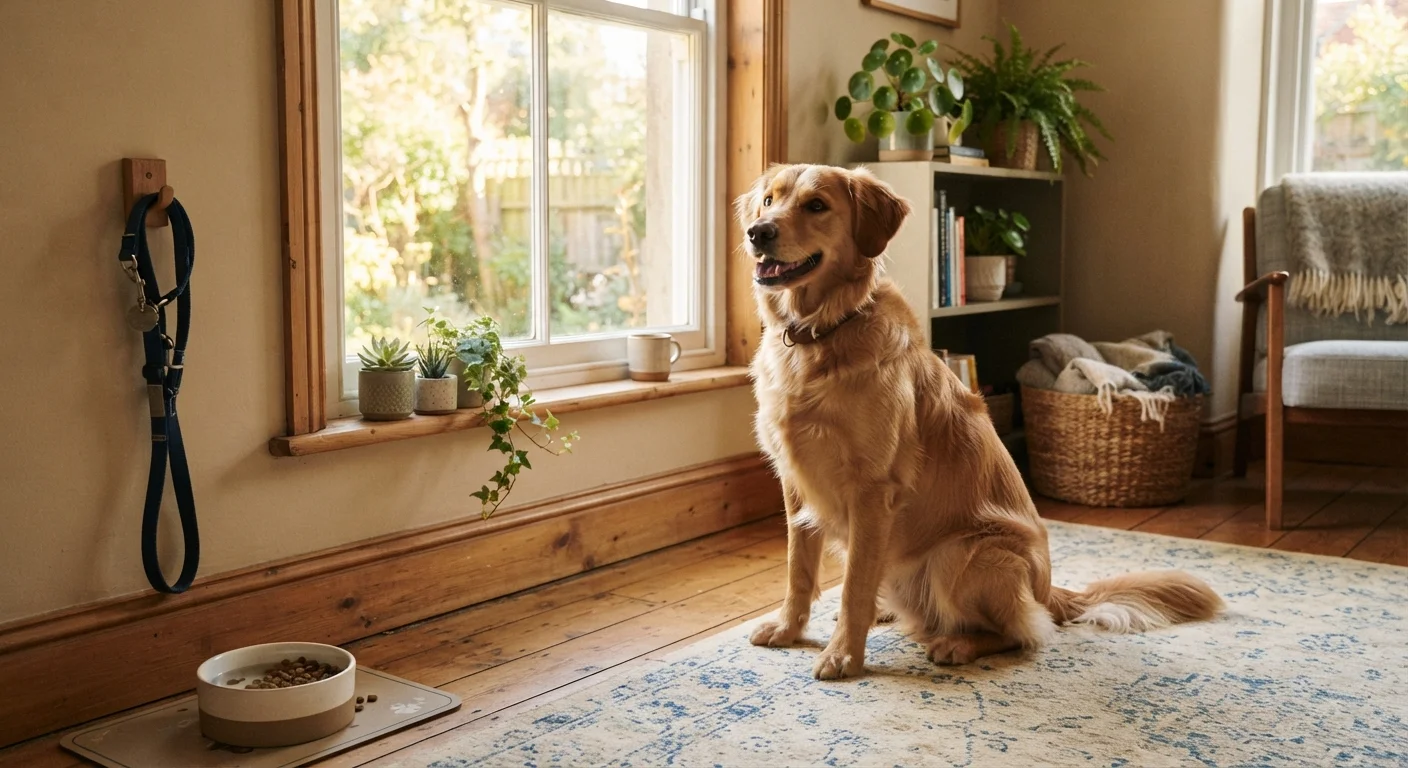
Photo credit: SnippetColumns.com | Easy Search, Reliable Information
In this article
Consistent schedules reduce anxiety and improve behavior in dogs. Learn what a well-structured daily routine looks like for feeding, exercise, and rest.
Key Takeaways
- Dogs thrive on predictability — consistent schedules reduce anxiety and unwanted behaviors.
- A solid daily routine covers feeding, exercise, training, enrichment, and rest in a reliable sequence.
- Meal timing and portion consistency support digestive health and healthy weight maintenance.
- Short, daily training sessions reinforce good behavior more effectively than occasional long sessions.
- Rest and downtime are as important to a dog's wellbeing as activity and stimulation.
- Routine needs shift as dogs age — puppies, adults, and seniors have meaningfully different requirements.
Why Routine Matters for Dogs
Dogs are creatures of habit in a very real, biological sense. Their internal clocks — known as circadian rhythms — influence hunger, energy levels, and alertness throughout the day. When those rhythms are supported by a consistent external schedule, dogs tend to be calmer, easier to train, and less prone to stress-driven behaviors like excessive barking, chewing, or house-soiling.
Predictability also builds trust. When a dog can anticipate what comes next — a walk after breakfast, a rest after lunch, play before bed — they spend less mental energy scanning for uncertainty. That reduced vigilance translates directly into better behavior and a more relaxed demeanor at home.
This doesn't mean every household must follow an identical script. The right routine is the one you can maintain consistently. For a deeper look at how these needs evolve, see our guide on how a dog's care needs shift from puppy to senior.
What you will need
What to Include in a Daily Dog Routine
A well-balanced routine addresses five core pillars: feeding, exercise, training, enrichment, and rest. Each plays a distinct role in your dog's physical and psychological health.
Feeding
Offer meals at the same times each day. Most adult dogs do well with two meals — morning and evening — spaced roughly 10 to 12 hours apart. Consistent timing helps regulate digestion and makes it easier to notice appetite changes that might signal a health concern. For guidance on what goes into the bowl, our breakdown of essential dog nutrients is a helpful reference.
Exercise
Daily movement is non-negotiable for most dogs. The right amount depends on breed, age, and individual health — your veterinarian is the best source of personalized guidance. As a general rule, structured walks (on leash, with direction changes and sniff opportunities) are more mentally tiring than free-running alone.
Training
Even five minutes of focused practice each day reinforces known commands and keeps your dog's attention sharp. Short, reward-based sessions spread throughout the day outperform one long weekly session. Pair training with mealtimes or walks to make it feel natural rather than forced.
Enrichment
Mental stimulation — puzzle feeders, scent games, novel objects, or short exploration outings — prevents boredom and channels energy constructively. Rotate enrichment activities to keep them engaging.
Rest
Adult dogs sleep between 12 and 14 hours per day on average. Designating a consistent, comfortable rest space supports quality sleep. If you're weighing how much freedom to give your dog at home, crate training vs. free roaming covers the practical and behavioral trade-offs.
Start Simple, Then Layer In Complexity
If building a full routine feels overwhelming, begin with just fixed meal times and two daily walks. Once those feel automatic — typically within two to three weeks — add training sessions, then enrichment. Gradual layering prevents burnout for both you and your dog, and a routine you can sustain is far more valuable than a perfect one you abandon.
Building the Routine Step by Step
Use the steps below as a framework. Adjust timing to fit your household schedule — the specific hours matter less than keeping them consistent day to day.
Anchor the Day with Fixed Meal Times
Choose two meal times and commit to them daily — for example, 7 a.m. and 6 p.m. Measure portions according to your dog's weight and life stage using the guidelines on their food packaging as a starting point, and adjust based on your veterinarian's recommendation. Remove uneaten food after 20 minutes to reinforce the schedule and monitor appetite.
Schedule at Least Two Structured Walks
Plan a morning walk shortly after the first meal and an evening walk after the second. Allow your dog time to sniff — this is mentally enriching, not wasted time. Vary the route occasionally to introduce novel smells and environments without disrupting the overall timing structure.
Add a Short Daily Training Session
Dedicate 5 to 10 minutes each day — ideally tied to a meal or walk — to practicing known commands and gradually introducing new ones. Keep sessions upbeat and end on a success. Consistency here builds impulse control, strengthens your bond, and keeps your dog mentally engaged.
Build In an Enrichment Activity
Once per day, offer a mentally stimulating activity separate from the walk. Options include a sniff-based scent game, a food puzzle, a chew, or a brief exploration of a new environment. Rotate activities throughout the week to maintain novelty. Even 10 to 15 minutes of focused enrichment can substantially reduce restlessness.
Protect and Signal Rest Periods
Dogs benefit from downtime between active periods. After morning exercise and training, allow your dog a rest block — ideally in their designated space. Avoid repeatedly interrupting rest with interaction. You can gently signal rest time with a consistent cue word or by covering a crate, helping your dog understand that calm is expected during that window.
Create a Predictable Evening Wind-Down
The hour before bed should become quietly predictable: a short toilet outing, perhaps a calm chew, and settling in the rest space. Avoid high-energy play right before sleep. A reliable wind-down sequence helps your dog transition smoothly from active evening time to overnight rest, reducing nighttime restlessness.
Sudden Schedule Changes Can Cause Stress
If your household schedule must shift — a new job, travel, or seasonal changes — transition your dog's routine gradually over several days rather than all at once. Abrupt changes in feeding or walk times can trigger anxiety, digestive upset, or regression in house training. If stress behaviors persist after a transition, consult your veterinarian.
For a comprehensive look at grooming, dental care, and preventive wellness tasks to layer into your routine, see our article on preventive care practices that matter most, and don't overlook daily dental care for dogs as a key habit to build in early.
This article is for general informational and educational purposes only and does not constitute veterinary or medical advice. Consult a licensed veterinarian for guidance specific to your dog's health, age, and individual needs.

Author
Pets & Animal Care Editorial Team
Pets & Animal Care Editorial Team is the collective byline for our editorial team and contributor network. Articles published under this byline or an editorial pen name are researched, written, and reviewed according to our editorial standards for clarity, consistency, and independence before publication.
View all articles →