
Why Dental Disease in Pets Is So Frequently Missed
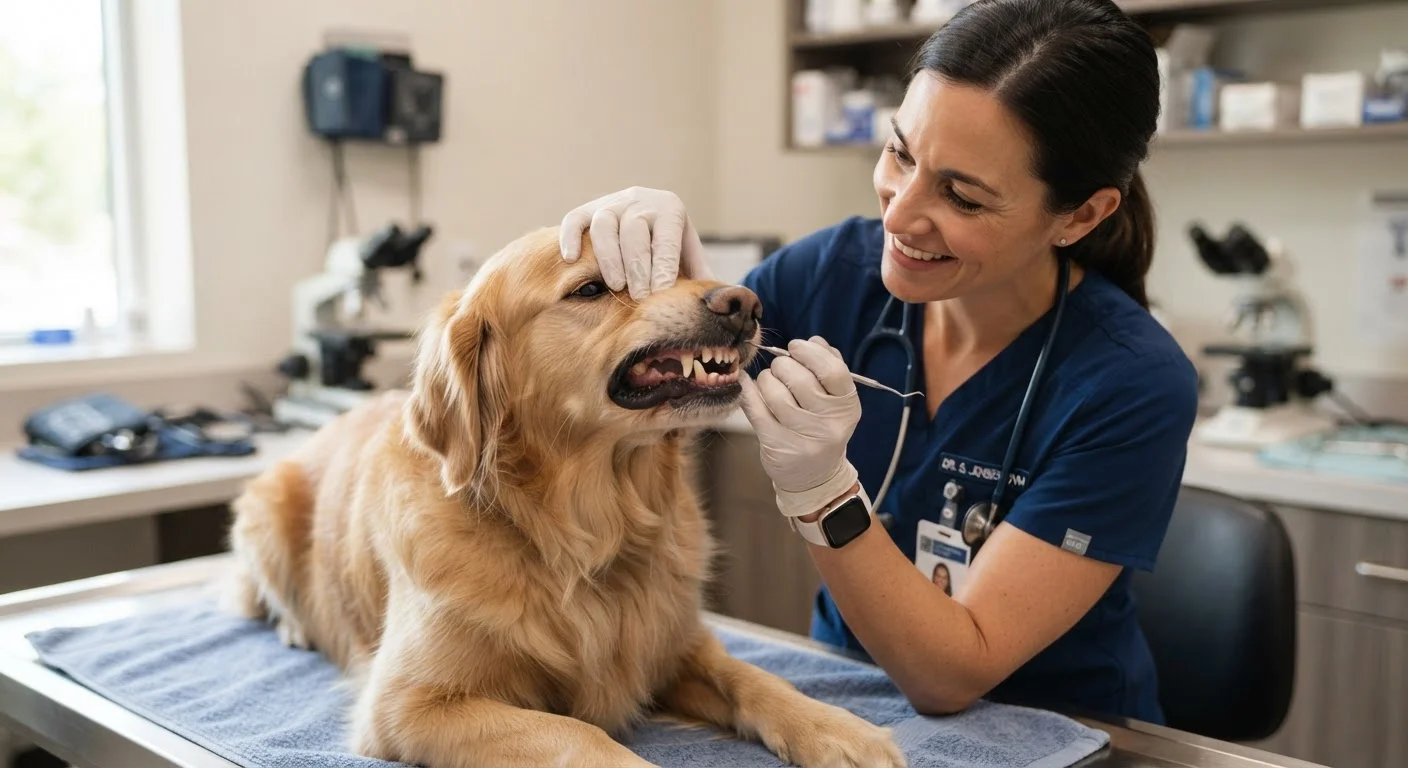
Photo credit: SnippetColumns.com | Easy Search, Reliable Information
In this article
Dental disease affects most adult dogs and cats, yet signs are easy to overlook. Understand what to watch for and why oral health connects to overall wellness.
Key Takeaways
- Dental disease affects an estimated 80% of dogs and 70% of cats by age three.
- Pets instinctively hide oral pain, making it easy for owners to miss warning signs.
- Untreated dental disease can contribute to systemic health issues beyond the mouth.
- Annual veterinary exams that include oral assessment are essential for early detection.
- Home dental care, when done consistently, meaningfully slows plaque and tartar buildup.
Why Dental Disease Goes Undetected for So Long
Dental disease is among the most common health conditions diagnosed in companion animals, yet it is also one of the most consistently underestimated. Veterinary organizations estimate that the majority of dogs and cats show signs of periodontal disease — infection and inflammation of the structures supporting the teeth — by the time they reach age three. The gap between how common the condition is and how rarely it is caught early comes down to a few converging factors.
First, animals do not communicate pain the way humans do. Cats especially are known for masking discomfort; dogs tend to be more stoic than their owners realize. Second, dental disease develops gradually, so there is rarely a single obvious moment when something goes wrong. Third, the inside of a pet's mouth is genuinely difficult to examine without training and the right lighting — even attentive owners may not see what is happening along the gumline or at the back molars.
The result is that many pets live with ongoing oral pain and infection for months or years before it is identified. Understanding the mistakes that allow this to happen is the most practical starting point for changing that pattern. This content is for general educational purposes and is not a substitute for professional veterinary assessment.
Dental Disease Is Not Just a Mouth Problem
Bacteria from severe periodontal disease can enter the bloodstream and have been associated with changes in kidney, liver, and heart tissue in some animals. This does not mean dental disease will definitely cause organ damage, but it underscores why oral health is considered part of whole-body wellness. If your pet has not had an oral exam recently, raise it at your next veterinary visit.
Common Mistakes Owners Make — and How to Avoid Them
The errors below are not signs of neglect — they reflect how dental disease presents and how naturally misleading those presentations can be. Recognizing them is what allows owners to respond more effectively.
Assuming a pet that keeps eating has no dental pain.
Why it happens: Owners reasonably interpret a healthy appetite as a sign that nothing hurts. But animals are biologically wired to eat through discomfort — stopping eating is often a late-stage response, not an early one.
Treating bad breath as normal rather than as a clinical signal.
Why it happens: Pet owners often accept "dog breath" or "cat breath" as an inevitable feature of owning a pet. In reality, persistent foul odor is one of the most consistent signs of bacterial buildup and periodontal inflammation.
Skipping annual wellness exams that include an oral assessment.
Why it happens: Dental checks can feel like a lower priority compared to vaccines or parasite prevention, especially when no obvious symptoms are present. Owners sometimes defer exams to manage costs or time.
Waiting for visible tooth damage before taking action.
Why it happens: Owners may watch for obvious problems like broken or discolored teeth. But periodontal disease typically progresses below the gumline long before any structural tooth damage is apparent.
Believing that dental chews or dry food provide sufficient oral care on their own.
Why it happens: Marketing around dental products creates an impression that certain foods or treats handle plaque control automatically. Some do provide modest benefit, but none replicate the mechanical cleaning of brushing.
For a broader look at how oral health fits within your pet's overall care routine, see our guide to preventive care for pets. If you are specifically considering a daily brushing routine, daily dental care for dogs covers what that involves and whether the effort pays off.
Connecting Oral Health to Whole-Pet Wellness
Dental disease does not exist in isolation. The mouth is a point of entry for bacteria, and chronic periodontal infection creates a persistent inflammatory burden on the body. Veterinary research has associated severe dental disease with changes in kidney and heart tissue in some animals, though the relationship is still being studied and is not fully characterized. What is well established is that an animal experiencing oral pain is an animal whose quality of life is compromised — even when it does not appear to be suffering.
~80%
Dogs showing dental disease signs by age 3
Veterinary dental organizations estimate that most adult dogs have some degree of periodontal disease by their third year of life.
~70%
Cats affected by oral disease by age 3
Cats develop periodontal disease at similarly high rates, often without visible symptoms until the condition is advanced.
Oral health also connects to other areas of wellness worth monitoring. Pets who avoid chewing due to dental pain may shift toward softer foods or overeat, which can contribute to weight changes over time — a concern discussed in the weight problem no one talks to their vet about. If you notice your pet showing signs of general discomfort, recognizing signs your pet may be in pain can help you decide when to contact a veterinarian.
Because needs shift across a pet's lifespan — with older animals facing higher risk for more advanced disease — pet health at every life stage provides useful context for what to prioritize as your pet ages. Dental care is one of the few preventive measures that compounds in value the earlier and more consistently it is practiced.
This article is for general informational purposes only and does not constitute veterinary or medical advice. Always consult a licensed veterinarian for guidance specific to your pet's health.

Author
Pets & Animal Care Editorial Team
Pets & Animal Care Editorial Team is the collective byline for our editorial team and contributor network. Articles published under this byline or an editorial pen name are researched, written, and reviewed according to our editorial standards for clarity, consistency, and independence before publication.
View all articles →