
Protein Sources in Pet Food: Animal, Plant, and Everything in Between
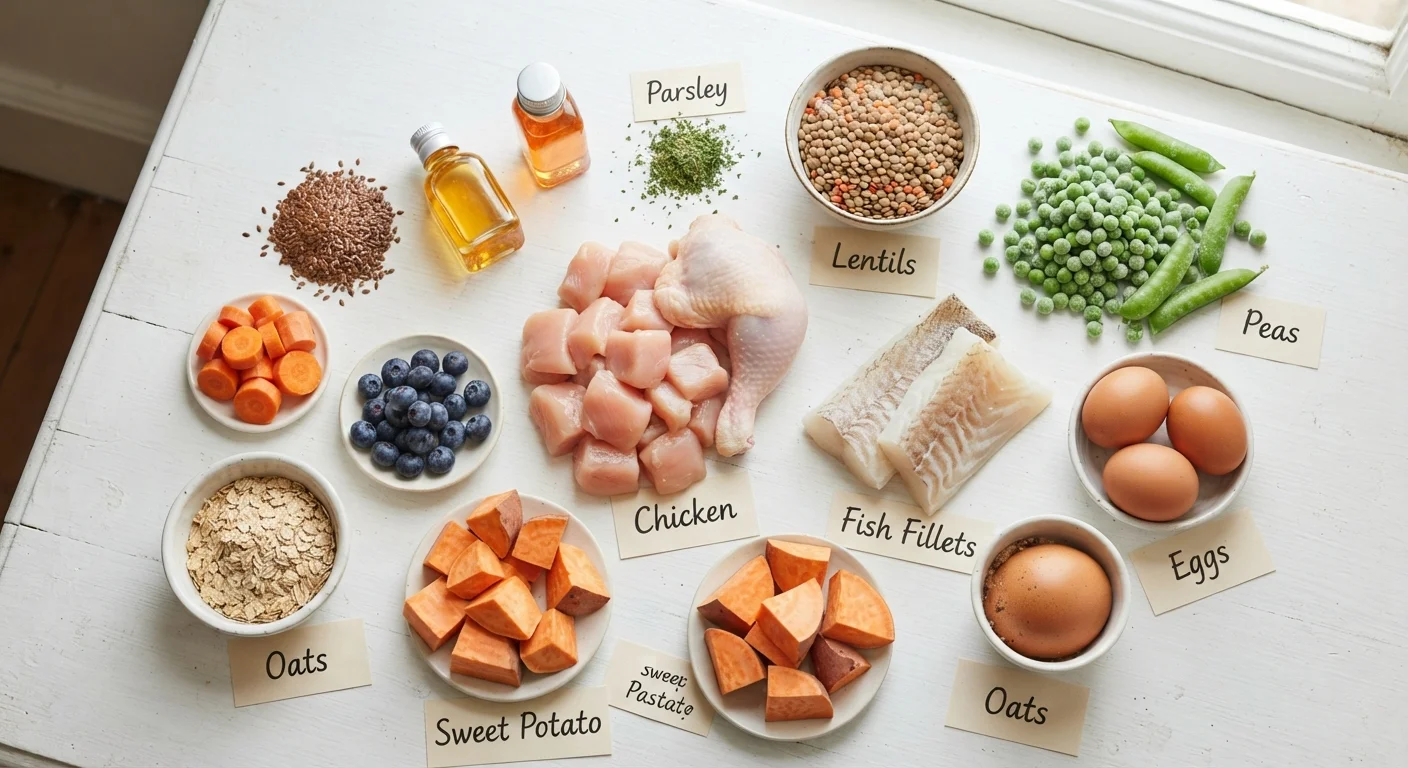
Photo credit: SnippetColumns.com | Easy Search, Reliable Information
In this article
Chicken meal, pea protein, fish, beef by-products — not all protein sources work the same way in your pet's body. Here's what each one actually contributes.
Key Takeaways
- Animal-based proteins generally provide a more complete amino acid profile than plant-based alternatives for dogs and cats.
- Ingredients like 'chicken meal' can be a concentrated, nutrient-dense protein source despite sounding less appealing.
- Cats are obligate carnivores and have specific amino acid requirements that plant proteins alone cannot reliably meet.
- Digestibility — not just protein percentage — determines how much your pet actually absorbs and uses.
- A food meeting AAFCO nutritional standards has been formulated to provide a balanced protein profile for the listed life stage.
Why the Type of Protein Source Matters
When you scan a pet food ingredient list, protein sources appear in many forms — whole chicken, chicken meal, beef by-products, pea protein, egg product. Each delivers protein in a different way, with different levels of digestibility and different amino acid compositions. The percentage of protein shown on the label tells you how much is present, but not how usable it is for your pet's body.
Proteins are chains of amino acids. Dogs require 10 essential amino acids they cannot synthesize on their own; cats require 11, including taurine and arginine, which are found almost exclusively in animal tissue. A food's protein quality — meaning how closely its amino acid profile matches your pet's needs — matters as much as its protein quantity.
For a deeper look at how labels represent this information, see our guide to reading pet food labels.
| Whole Named Meat | Named Meat Meal | By-Products | Plant Proteins | |
|---|---|---|---|---|
| Amino acid completeness | High | High | Moderate to high | Incomplete |
| Digestibility | High | High | Moderate | Lower than animal sources |
| Protein density by weight | Moderate (high moisture) | High (moisture removed) | Moderate | Varies |
| Transparency on label | High | High if named | Varies by specificity | High |
| Suitability for cats | Excellent | Excellent | Good if named | Insufficient alone |
| Common examples | Chicken, salmon, beef | Chicken meal, salmon meal | Chicken by-product meal | Pea protein, soy, lentils |
Animal-Based Proteins: Whole Meats, Meals, and By-Products
Whole named meats (e.g., chicken, salmon, beef) appear high on ingredient lists because they're weighed before moisture is cooked out. They're recognizable and digestible, but their pre-cooking weight can overstate their final protein contribution once water is removed during processing.
Meat meals (e.g., chicken meal, turkey meal) are rendered, meaning moisture and fat are removed before weighing. This concentrates the protein, so a named meat meal is often a denser protein source by weight than a whole meat listing. The key word is named — "poultry meal" or "meat meal" without a species name offers less transparency about the source.
By-products (e.g., chicken by-product meal) include organ meats, blood, and other non-muscle parts. These are not inherently inferior — organs like liver are nutritionally rich. However, quality can vary, so named by-product meals from identified species are generally preferable to generic ones.
How to Spot a Quality Protein Source on the Label
Look for a named species in the first ingredient or two — 'chicken,' 'salmon,' or 'turkey meal' rather than 'poultry meal' or 'meat and bone meal.' Named ingredients indicate a consistent, traceable source. Also check that the food carries an AAFCO nutritional adequacy statement for your pet's life stage, which confirms the overall protein profile has been evaluated against established standards.
Plant-Based Proteins: Peas, Lentils, Soy, and More
Plant proteins — including pea protein, lentils, chickpeas, soy, and potato protein — have become common in pet foods, particularly in grain-free formulations. They provide protein, but their amino acid profiles are incomplete relative to animal sources. Most lack sufficient levels of one or more essential amino acids that pets require.
For dogs, plant proteins can contribute meaningfully to total protein intake when the overall diet is well-balanced and meets AAFCO standards. For cats, relying heavily on plant protein is problematic: cats cannot efficiently convert plant-derived precursors into taurine and arachidonic acid, making animal-source proteins nutritionally non-negotiable.
There is also ongoing research — including work flagged by the FDA — examining a potential association between certain high-legume diets and dilated cardiomyopathy (DCM) in dogs. The relationship is not fully established, but it's worth discussing with your veterinarian if your dog's food lists peas, lentils, or chickpeas among the first few ingredients.
For context on how nutritional research and popular beliefs sometimes diverge, see our article on pet nutrition myths that persist despite the evidence.
Digestibility and Biological Value: The Numbers Behind the Label
Two concepts help evaluate protein quality beyond what the label shows: digestibility (what percentage of ingested protein is actually absorbed) and biological value (how well absorbed amino acids match the animal's needs). Egg is frequently cited in nutritional literature as having a very high biological value for dogs and cats. Fish, poultry, and red meat score well. Most plant proteins score lower on both measures.
~85–90%
Typical digestibility of quality animal proteins
Animal-based proteins from named meat sources are generally digested at rates between 85–90%, compared to 75–85% for many plant protein concentrates, according to veterinary nutrition literature.
11
Essential amino acids cats cannot synthesize
Cats require 11 essential amino acids from their diet, including taurine and arginine, which are found in adequate amounts almost exclusively in animal-source ingredients.
This matters practically: a food with 30% protein from a highly digestible animal source may deliver more usable nutrition than a food with 35% protein from a mix of plant concentrates. Your veterinarian or a board-certified veterinary nutritionist can help you assess whether a specific food is appropriate, especially for pets with health conditions. Nutritional needs also shift significantly across life stages — our overview of pet nutrition across a pet's entire life explains how protein requirements evolve.
This article is for general informational and educational purposes only and does not constitute veterinary or medical advice. Always consult a licensed veterinarian before making significant changes to your pet's diet, especially if your pet has a health condition.

Author
Pets & Animal Care Editorial Team
Pets & Animal Care Editorial Team is the collective byline for our editorial team and contributor network. Articles published under this byline or an editorial pen name are researched, written, and reviewed according to our editorial standards for clarity, consistency, and independence before publication.
View all articles →