
Raw Food Diets for Pets: What the Research and Vets Actually Say
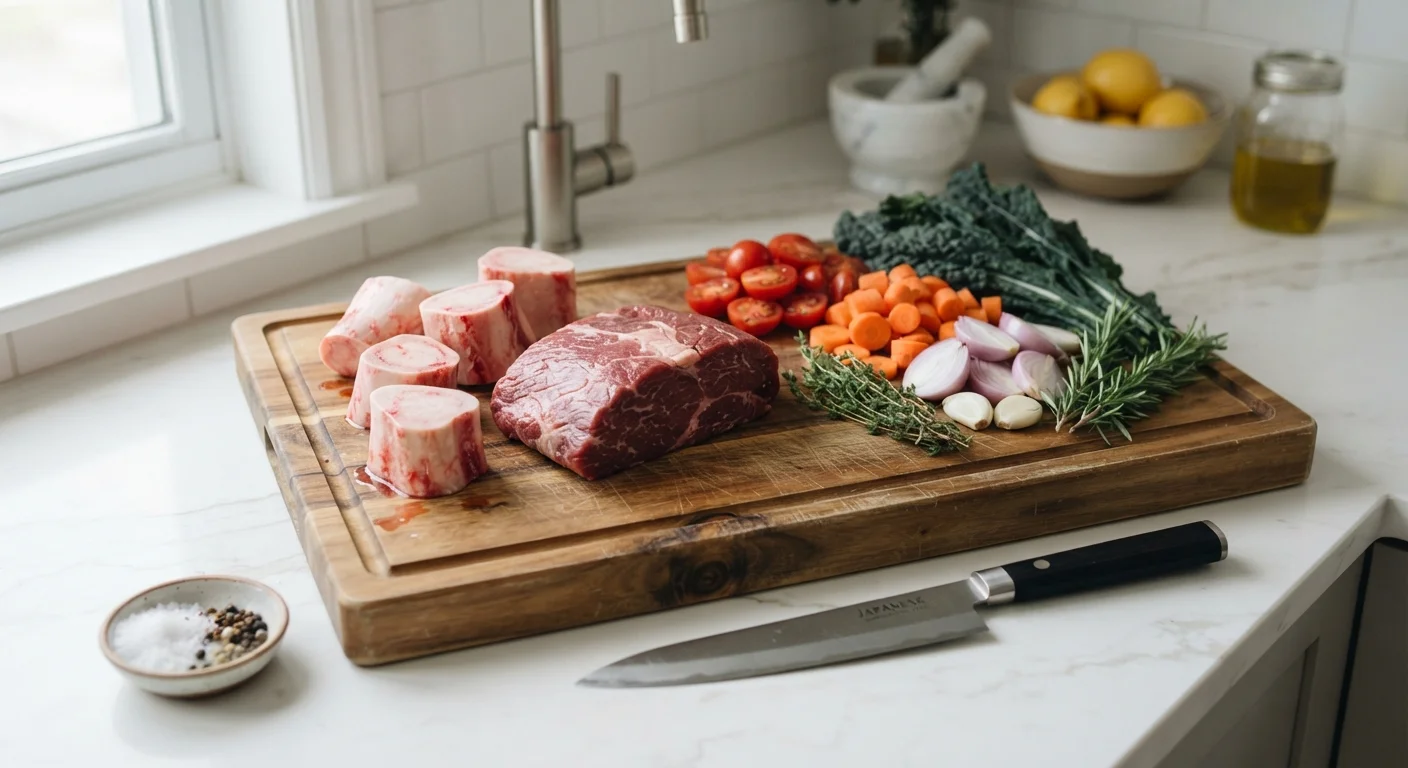
Photo credit: SnippetColumns.com | Easy Search, Reliable Information
In this article
Raw feeding has devoted advocates and serious critics. Here's an honest look at the nutritional claims, food safety concerns, and what veterinary science currently supports.
Key Takeaways
- Raw diets lack strong clinical evidence supporting superiority over commercially balanced pet foods.
- Pathogen contamination — including Salmonella and Listeria — is a documented and serious food safety risk.
- Nutritional imbalances are common in homemade raw diets not formulated by a veterinary nutritionist.
- Some pets with specific health conditions may face heightened risks from raw feeding.
- Always consult a veterinarian before making significant changes to your pet's diet.
Minimally processed ingredients with no additives
Raw diets avoid artificial preservatives, colorings, and fillers found in some lower-quality commercial foods, which some veterinary nutritionists acknowledge may benefit sensitive animals.
Potential for higher moisture intake
Raw meat has a naturally high water content, which may support hydration — particularly relevant for cats, who tend to drink less water than dogs and can be prone to urinary issues.
Owner control over ingredient sourcing
Preparing raw meals at home or selecting whole-ingredient commercial raw products allows owners to monitor exactly what goes into their pet's food, which appeals to those concerned about supply-chain transparency.
Anecdotally linked to coat and digestion improvements
Many owners report improved coat quality and stool consistency after switching to raw, though these outcomes lack controlled clinical validation and may reflect other dietary changes made simultaneously.
Documented pathogen contamination risk
Multiple FDA and peer-reviewed studies have detected Salmonella, Listeria monocytogenes, and E. coli in both commercial and homemade raw pet foods. These pathogens can infect pets and spread to humans through contact with food or pet feces.
High rate of nutritional imbalance in homemade recipes
Research published in veterinary nutrition journals has found that a significant proportion of homemade raw diet recipes — including those found online — are deficient in essential nutrients such as calcium, phosphorus, zinc, and key vitamins.
Risk of bone-related injuries
Whole or large bone fragments included in raw diets can cause dental fractures, internal lacerations, or gastrointestinal obstructions — risks that veterinary emergency clinicians report seeing with some regularity.
Not appropriate for immunocompromised pets
Pets undergoing chemotherapy, living with chronic illness, or in early puppyhood or kittenhood have reduced ability to fight foodborne pathogens, making raw feeding riskier for these populations.
Limited peer-reviewed clinical evidence for claimed benefits
Despite widespread advocacy, there are currently no large, controlled clinical trials demonstrating that raw diets produce superior long-term health outcomes compared to nutritionally complete commercial diets.
Household transmission risk for vulnerable humans
Handling raw pet food and contact with pets fed raw diets has been identified as a transmission pathway for zoonotic pathogens, posing meaningful risk to children, elderly individuals, and immunocompromised household members.
What Raw Feeding Actually Means
Raw pet food diets — often called BARF diets (Biologically Appropriate Raw Food or Bones and Raw Food) — typically consist of uncooked muscle meat, organ meat, raw meaty bones, and sometimes fruits, vegetables, or eggs. Proponents argue these ingredients mirror what dogs and cats would consume in the wild. Critics point out that domesticated pets have diverged significantly from their wild ancestors, and that "natural" does not automatically mean nutritionally complete or microbiologically safe.
Raw diets come in two main forms: commercially prepared frozen or freeze-dried products, and homemade meals assembled by the owner. Both categories carry distinct considerations, and it's important not to treat them as equivalent. For a broader look at how dietary needs shift across a pet's life, see Pet Nutrition From the First Bowl to the Senior Years.
What Veterinary Science Currently Says
Major veterinary organizations — including the American Veterinary Medical Association (AVMA) and the American Animal Hospital Association (AAHA) — have issued policy statements discouraging raw protein diets, citing documented risks of pathogen transmission to both animals and humans in the household. These positions are based on peer-reviewed food safety research, not marketing considerations.
That said, veterinary nutrition is an evolving field. Some researchers note that the evidence base on raw diets is still relatively limited in scope and that larger, longer-term controlled studies are needed. What does exist, however, consistently flags contamination and nutritional adequacy as the two primary concerns. For a candid look at which popular beliefs about pet nutrition hold up to scrutiny, visit Pet Nutrition Myths That Persist Despite the Evidence.
74%
Of raw dog food samples testing pathogen-positive
A study published in Preventive Veterinary Medicine found that approximately 74% of raw dog food samples tested positive for Enterobacteriaceae, a bacterial family that includes pathogenic strains.
60%+
Of homemade raw recipes nutritionally incomplete
Research in the Journal of Nutritional Science found that the majority of homemade raw diet recipes evaluated were deficient in multiple essential nutrients required for long-term pet health.
The Case For Raw Feeding
Advocates of raw diets point to several potential benefits, though most rely on owner-reported observations rather than controlled clinical trials. Here is a fair summary of the claims that have at least some basis in logic or preliminary research:
Minimally processed ingredients with no additives
Raw diets avoid artificial preservatives, colorings, and fillers found in some lower-quality commercial foods, which some veterinary nutritionists acknowledge may benefit sensitive animals.
Potential for higher moisture intake
Raw meat has a naturally high water content, which may support hydration — particularly relevant for cats, who tend to drink less water than dogs and can be prone to urinary issues.
Owner control over ingredient sourcing
Preparing raw meals at home or selecting whole-ingredient commercial raw products allows owners to monitor exactly what goes into their pet's food, which appeals to those concerned about supply-chain transparency.
Anecdotally linked to coat and digestion improvements
Many owners report improved coat quality and stool consistency after switching to raw, though these outcomes lack controlled clinical validation and may reflect other dietary changes made simultaneously.
It is worth noting that some of these outcomes — shinier coats, improved digestion — may reflect a move away from low-quality processed ingredients rather than raw food specifically. Quality and formulation matter regardless of preparation method.
The Case Against Raw Feeding
The concerns raised by food safety researchers and veterinary professionals are not abstract. They are grounded in documented case studies and laboratory analyses of commercial and homemade raw pet foods:
Documented pathogen contamination risk
Multiple FDA and peer-reviewed studies have detected Salmonella, Listeria monocytogenes, and E. coli in both commercial and homemade raw pet foods. These pathogens can infect pets and spread to humans through contact with food or pet feces.
High rate of nutritional imbalance in homemade recipes
Research published in veterinary nutrition journals has found that a significant proportion of homemade raw diet recipes — including those found online — are deficient in essential nutrients such as calcium, phosphorus, zinc, and key vitamins.
Risk of bone-related injuries
Whole or large bone fragments included in raw diets can cause dental fractures, internal lacerations, or gastrointestinal obstructions — risks that veterinary emergency clinicians report seeing with some regularity.
Not appropriate for immunocompromised pets
Pets undergoing chemotherapy, living with chronic illness, or in early puppyhood or kittenhood have reduced ability to fight foodborne pathogens, making raw feeding riskier for these populations.
Limited peer-reviewed clinical evidence for claimed benefits
Despite widespread advocacy, there are currently no large, controlled clinical trials demonstrating that raw diets produce superior long-term health outcomes compared to nutritionally complete commercial diets.
Household transmission risk for vulnerable humans
Handling raw pet food and contact with pets fed raw diets has been identified as a transmission pathway for zoonotic pathogens, posing meaningful risk to children, elderly individuals, and immunocompromised household members.
Commercial Raw vs. Homemade Raw: Different Risk Profiles
Commercially prepared raw pet foods are subject to some regulatory oversight and may use high-pressure pasteurization (HPP) to reduce pathogen load — though HPP does not eliminate all risks. Homemade raw diets carry additional variability because nutritional balance depends entirely on the recipe and ingredient sourcing. The two categories should not be evaluated as a single uniform practice. If you are considering either option, a veterinary nutritionist consultation is advisable before starting.
Households with young children, elderly individuals, pregnant people, or immunocompromised members face a higher risk from pathogen exposure through raw pet food handling. The FDA advises these households to exercise particular caution. Always consult a physician and veterinarian if these circumstances apply to your home.
Practical Considerations Before You Decide
If you are weighing a raw diet for your pet, these practical factors deserve honest consideration alongside the nutritional debate:
- Consult a veterinary nutritionist first. Board-certified veterinary nutritionists (Diplomates of the American College of Veterinary Nutrition) can assess your pet's individual needs and review any recipe or commercial product you are considering.
- Understand food handling requirements. Raw meat must be handled with the same rigor as human food preparation — separate surfaces, thorough handwashing, and proper freezing and thawing protocols.
- Consider your pet's health status. Pets with compromised immune systems, kidney disease, or other chronic conditions may be at elevated risk. Puppies and kittens are also more vulnerable.
- Evaluate cost and logistics honestly. Nutritionally balanced raw diets — especially commercially prepared ones — can be significantly more expensive and logistically demanding than conventional feeding.
For comparison, exploring how feeding schedules affect pet health is also worthwhile — see Free-Feeding vs. Scheduled Meals for evidence-based guidance. If homemade food is the draw rather than raw ingredients specifically, Homemade Pet Food: Nutritional Gaps You Need to Know About outlines the key risks and how to address them.
This article is for general informational purposes only and does not constitute veterinary or medical advice. Always consult a licensed veterinarian before making changes to your pet's diet.

Author
Pets & Animal Care Editorial Team
Pets & Animal Care Editorial Team is the collective byline for our editorial team and contributor network. Articles published under this byline or an editorial pen name are researched, written, and reviewed according to our editorial standards for clarity, consistency, and independence before publication.
View all articles →