
Building Your Own Quality Evaluation Framework as a Shopper
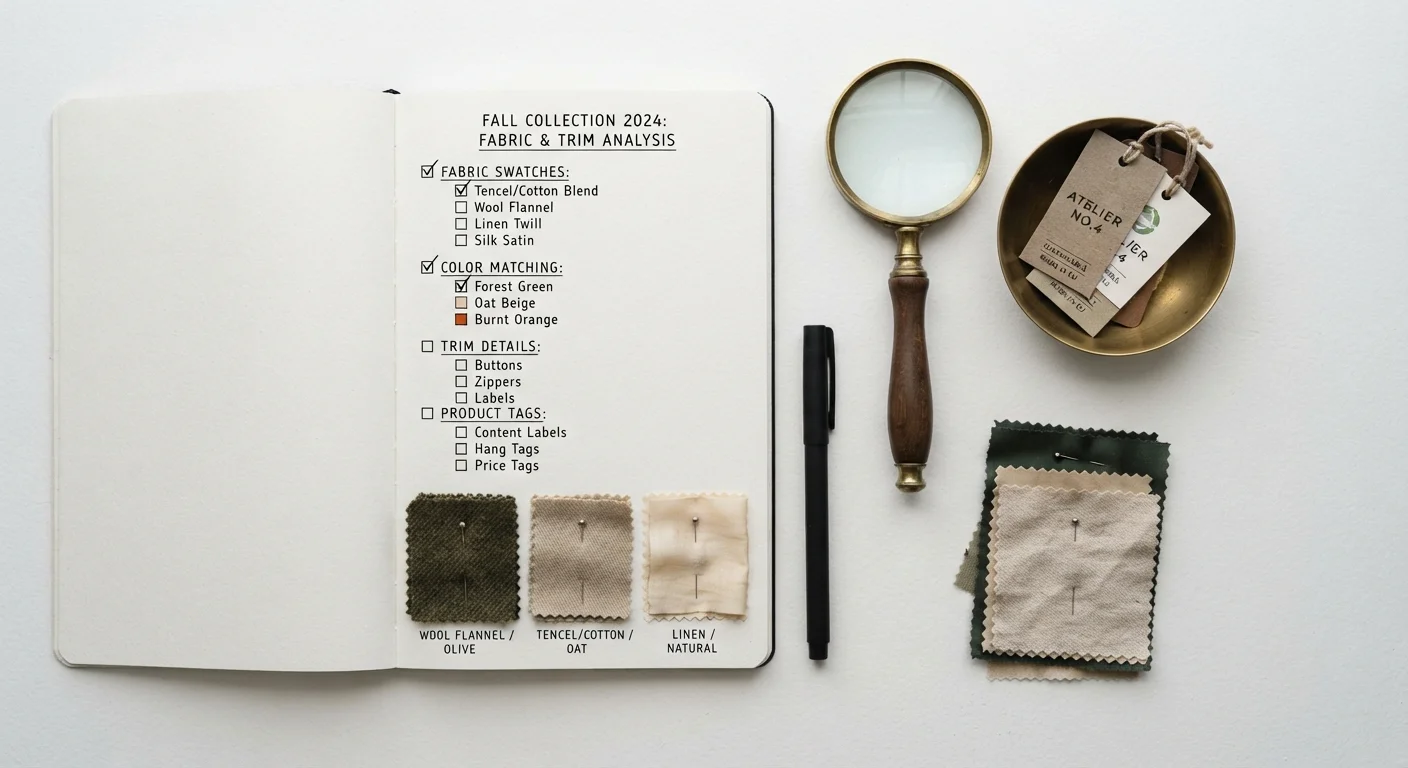
Photo credit: SnippetColumns.com | Easy Search, Reliable Information
In this article
A comprehensive look at every layer of product quality assessment — from materials and construction to claims, reviews, and long-term value.
Key Takeaways
- Quality is multi-dimensional — no single factor like price or brand name tells the full story.
- Defining category-specific criteria before shopping prevents post-purchase regret.
- Physical inspection of materials and construction reveals more than any marketing claim.
- Labels, certifications, and ingredient lists are verifiable signals worth learning to read.
- Review analysis and long-term cost calculations complete a rigorous evaluation.
Why a Personal Framework Beats Gut Instinct
Most purchase regret traces back to the same root cause: evaluation was reactive rather than deliberate. We grabbed a product because it looked sturdy, cost more than the alternative, or had a reassuring logo — then were surprised when it underperformed. Gut instinct isn't worthless, but it's highly susceptible to packaging design, shelf placement, and marketing language engineered to exploit it.
A quality evaluation framework is simply a repeatable set of criteria you apply before committing money. It forces you to ask the same questions across every purchase, which dramatically reduces the noise that marketers and algorithms introduce. As the foundation for this process, it helps to first understand what product quality actually means — because quality isn't a single property; it has dimensions that vary by category, use case, and user need.
68%
Shoppers who report post-purchase regret
A 2023 Bankrate survey found that roughly 68% of American consumers experienced buyer's remorse on at least one purchase in the prior year.
2 min
Average time spent reading product labels
Consumer behavior research consistently shows that most shoppers spend under two minutes evaluating a product before deciding, limiting how much label information they actually absorb.
Step 1 — Define What Quality Means for Each Category
Before evaluating any product, write down the two or three properties that matter most for that specific category. A quality kitchen knife and a quality running shoe share almost no evaluation criteria. Quality benchmarks shift significantly by product type, so a framework that works for electronics will mislead you in apparel.
Ask yourself: Is longevity the priority, or do I expect to replace this item in a year? Is performance under stress important, or is light occasional use the real use case? Is repairability a factor? Anchoring your criteria to actual usage patterns — not aspirational ones — keeps your evaluation honest. Write it down before you shop, not after.
Write your category-specific quality criteria on your phone's notes app before opening any retailer or search engine. Committing to criteria before seeing options prevents anchoring bias from the first product you encounter.
Anchoring bias — where the first number or attribute we see disproportionately shapes our judgment — is well-documented in consumer psychology research and is actively exploited by category page design.
When evaluating construction in-store, test stress points that aren't on display: open and close zippers fully, flex joints, and check interior finishing. Brands investing in quality rarely leave only visible surfaces well-finished.
Interior construction quality — hidden seams, backing materials, internal hardware — is harder to fake at scale and correlates more reliably with overall build quality than exterior presentation.
Step 2 — Evaluate Materials and Construction
Physical evidence is the most reliable signal available to any shopper. For items you can handle in person, examine seams, joints, closures, and surface finishes. Uneven stitching, rough edges at connection points, or components that shift under light pressure are construction red flags regardless of price tier. For online purchases, look for detailed material disclosures — fiber content, alloy type, glass grade — rather than generic descriptors like "premium" or "high-quality."
Weight and rigidity often carry useful information. A product that feels lighter than expected for its material category may indicate thinner-gauge construction. Hinges, zippers, and clasps deserve particular scrutiny: they are typically the first components to fail and the hardest to repair. Use the pre-purchase quality inspection checklist to run through these checks systematically.
Weight Alone Is Not a Reliable Quality Proxy
Heavier products aren't inherently better built, and lighter ones aren't inherently inferior. Modern materials engineering regularly produces high-strength, lightweight components that outperform heavier traditional materials. Use weight as one data point alongside material identification, not as a standalone quality indicator.
Step 3 — Scrutinize Claims and Labels
Marketing language is not a quality signal. Words like "professional-grade," "natural," or "engineered" carry no regulated definition in most product categories. What does carry meaning: third-party certifications, material-specific disclosures, and standardized testing references. Learn to distinguish between a manufacturer's self-applied badge and a certification issued by an independent body.
Country-of-origin marks, ingredient or material lists, and warning disclosures are legally regulated in the U.S. and therefore more reliable than promotional copy. Product labels contain more verifiable information than most shoppers realize — and reading them takes less than two minutes. If a product omits material composition entirely, treat that omission as a data point.
Marketing Language Has No Regulatory Definition
Terms like 'premium,' 'professional-grade,' 'natural,' and 'artisan' are not regulated in most U.S. product categories and can legally appear on any product regardless of actual quality. Never use these terms as evaluation criteria. Rely instead on third-party certifications, standardized material disclosures, and independently verified testing data.
Step 4 — Read Reviews Without Being Misled
Reviews are useful, but only when read critically. Aggregate star ratings are easy to manipulate through incentivized or review-gated programs. Instead, filter for verified purchasers, sort by most recent, and read one-star and two-star reviews first — they often describe failure modes that reveal construction or durability issues invisible at purchase. Look for specificity: reviewers who describe exactly when, how, and why a product failed are more credible than those who give vague praise or criticism.
Pay attention to review patterns across time. A product with consistently strong early reviews and a cluster of complaints appearing 6–12 months later is telling you something concrete about its lifespan. Cross-reference reviews across multiple platforms when possible to account for platform-specific incentives.
“The most useful information in any review section is usually found in the low ratings — that's where real failure modes live, not in the five-star highlights.”
— Consumer Reports Research Team, Independent product testing and consumer advocacy organization
Step 5 — Calculate Long-Term Value, Not Just Sticker Price
A lower upfront price isn't automatically a better deal if the product requires frequent replacement. Cost-per-use is a more useful metric: divide the total expected price (including likely repairs or accessories) by the realistic number of uses over its lifespan. This calculation often reframes expensive items as economical and cheap items as costly over time.
Factor in maintenance requirements, replacement part availability, and repairability. A product with proprietary components or no service ecosystem has a hidden cost ceiling. Also consider what happens when the product reaches end of life — disposal costs and environmental impact are increasingly relevant variables for value-conscious shoppers. Building these habits connects directly to the broader goal of smarter, more consistent spending habits.
Use Cost-Per-Use Before Every Major Purchase
Before finalizing any purchase over $50, divide the expected price by your realistic usage estimate for the product's lifespan. This single calculation often surfaces whether a more durable option is actually cheaper in the long run. Keep the math simple — even a rough estimate beats comparing sticker prices alone.
Putting It All Together
A quality evaluation framework isn't a rigid checklist that slows down every shopping trip — it's a mental model that becomes faster and more automatic with practice. Start by applying it fully to one category where you've experienced the most post-purchase regret. Document your criteria, run through each step, and compare outcomes against your previous instinct-driven purchases.
Over time, you'll build category-specific knowledge that makes evaluation nearly effortless. You'll also find that decision fatigue decreases when you trust a consistent process rather than re-evaluating your entire approach with each purchase. The goal is confident, well-reasoned buying — not perfection, but a meaningful reduction in regret and waste.
Quality Inspection Checklist for Everyday Products
A structured pre-purchase checklist covering construction, materials, and red flags for common product categories. Useful for in-store and online evaluation.
Understanding Product Labels and Certifications
A plain-language breakdown of what certifications, material disclosures, and regulatory marks actually mean — and which ones carry independent verification.
Cost-Per-Use Calculator
Plug in purchase price, expected lifespan, and estimated usage frequency to see true per-use cost and compare options on a value basis rather than sticker price.

Author
Smart Shopping Editorial Team
Smart Shopping Editorial Team is the collective byline for our editorial team and contributor network. Articles published under this byline or an editorial pen name are researched, written, and reviewed according to our editorial standards for clarity, consistency, and independence before publication.
View all articles →