
Longevity vs. Performance: Two Different Ways a Product Can Be 'Good'
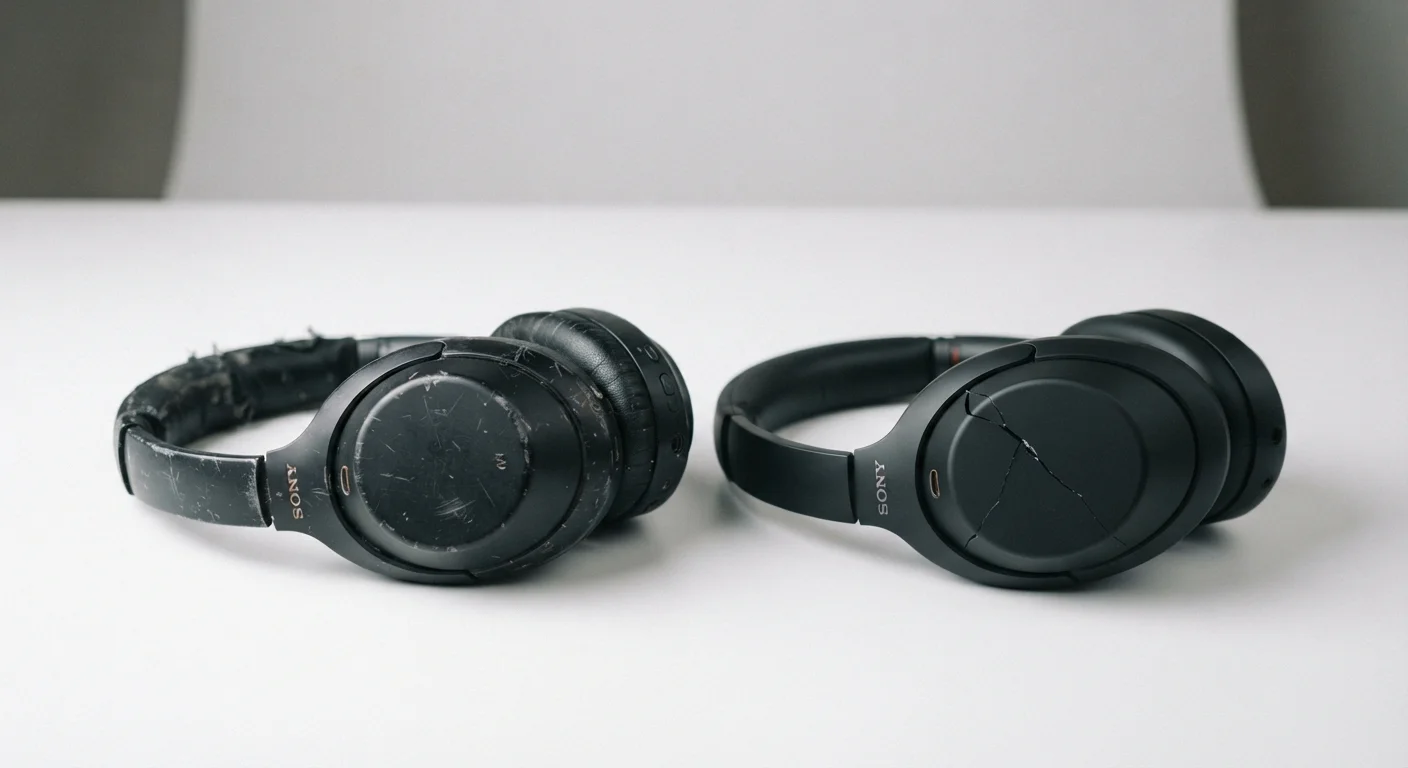
Photo credit: SnippetColumns.com | Easy Search, Reliable Information
In this article
A product can excel at its job while wearing out quickly — or last forever without performing well. Know which dimension matters most for your needs.
Key Takeaways
- Longevity measures how long a product survives; performance measures how well it functions — these are independent qualities.
- A product can score high on one dimension and low on the other, making category context essential for smart evaluation.
- Price is a weak signal for either dimension; understanding the difference helps you shop without relying on marketing claims.
- Knowing which dimension matters most for your use case leads to better purchasing decisions and fewer regrets.
- Some product categories demand longevity first; others reward peak performance above all else.
Why 'Good' Is Two Questions, Not One
When shoppers call a product 'good,' they typically mean one of two very different things: it works exceptionally well, or it holds up exceptionally long. These aren't the same thing — and conflating them is one of the most common traps in everyday purchasing.
Product quality encompasses multiple dimensions, but longevity and performance are the two that most directly shape whether a purchase feels worth it. A cast-iron skillet may heat unevenly compared to a stainless tri-ply pan, yet it will outlast several generations of the alternatives. A high-performance blender motor may pulverize anything you put in it — and burn out in three years. Neither is universally 'better.' The right one depends entirely on what you're actually asking the product to do, and for how long.
Understanding this distinction gives you a framework for evaluating products that doesn't rely on price tags or marketing language — two signals that correlate poorly with actual quality.
Defining Each Dimension Precisely
Longevity refers to a product's ability to maintain basic functionality over time under normal use conditions. It encompasses material durability, resistance to wear, corrosion, or degradation, and the reliability of components across repeated use cycles. A product with high longevity doesn't fail prematurely — but that says nothing about how well it performs at its primary task.
Performance refers to how effectively a product executes its core function when used as intended. A knife's sharpness, a speaker's audio fidelity, a jacket's waterproofing — these are performance metrics. A product can perform brilliantly on day one and degrade quickly, or perform adequately for decades.
| Criterion | Longevity | Performance |
|---|---|---|
| What it measures | Durability over time | Functional output quality |
| Key question | How long will it last? | How well does it work? |
| Best evaluated by | Long-term user reviews, materials, warranty | Independent benchmarks, standardized tests |
| Primary category fit | Tools, furniture, cookware, clothing | Electronics, consumables, safety gear |
| Price correlation | Weak to moderate | Weak to moderate |
| Can be high without the other | Yes — long-lasting, mediocre performer | Yes — peak output, short lifespan |
The gap between these two dimensions is especially visible in categories like beauty and personal care. A serum formulated with active ingredients may deliver measurable results within its recommended use window — but those same ingredients often degrade after opening. Shelf life and efficacy are performance concerns, not longevity ones, because the product was never designed to last indefinitely.
How Category Context Changes Everything
The relative weight of longevity versus performance shifts dramatically depending on what you're buying. Quality benchmarks vary by product type, which means applying the wrong standard leads to poor purchasing decisions.
For high-frequency, long-horizon purchases — think mattresses, cookware, or hand tools — longevity is usually the more valuable dimension. A moderate-performing item that lasts fifteen years will typically deliver more value than a high-performing item that needs replacing every four. The math of total cost of ownership almost always favors durability in these categories.
For shorter-horizon or consumable purchases, performance should dominate the evaluation. A battery's capacity, a sunscreen's SPF protection, a printer cartridge's yield — these are products designed to be depleted. Judging them on longevity is a category error.
72%
Shoppers who equate price with durability
Consumer research published by the Journal of Consumer Psychology found a majority of shoppers use price as a default proxy for product longevity, despite weak empirical correlation.
2–4x
Replacement cost difference over 10 years
Consumer Reports analysis has consistently shown that lower-durability appliances can cost two to four times more in total over a decade when replacement and repair costs are included.
Some purchases genuinely require both dimensions to be strong: safety equipment, medical devices, and infant products are contexts where neither poor performance nor early failure is acceptable. In these cases, look for standardized testing certifications rather than relying on brand reputation or price alone.
Making the Evaluation Without the Marketing Noise
Once you've identified which dimension matters most for a given purchase, the evaluation process becomes more targeted. For longevity, useful signals include material composition, construction method (welded vs. glued, solid vs. laminated), and warranty terms that reflect the manufacturer's own confidence in durability. User reviews filtered for long-term owners — not first-week impressions — are far more informative than aggregate star ratings.
For performance, look for independently published tests, standardized benchmarks, or category-specific certifications. In the absence of those, controlled comparisons by editorial sources without financial stakes in the outcome tend to be more reliable than manufacturer specifications.
Neither dimension is a proxy for the other, and neither can be reliably inferred from price alone. Building smarter spending habits means asking the right question before evaluating the answer: Am I buying for duration, or am I buying for output? Getting that framing right first puts every other quality signal in its proper place.
If longevity is your priority, extending the life of products you already own is also worth understanding — because even well-built items benefit from informed care.
When You Actually Need Both Dimensions
Some purchase categories — child safety products, protective gear, and load-bearing hardware — require strong scores on both longevity and performance simultaneously. In these contexts, look for products that carry third-party certification from recognized testing organizations rather than relying on brand claims. Certifications indicate that a product met specific, independently verified standards for both function and durability at the time of testing.

Author
Smart Shopping Editorial Team
Smart Shopping Editorial Team is the collective byline for our editorial team and contributor network. Articles published under this byline or an editorial pen name are researched, written, and reviewed according to our editorial standards for clarity, consistency, and independence before publication.
View all articles →