
Skincare Ingredients Decoded: What Those Long Words on Labels Actually Mean
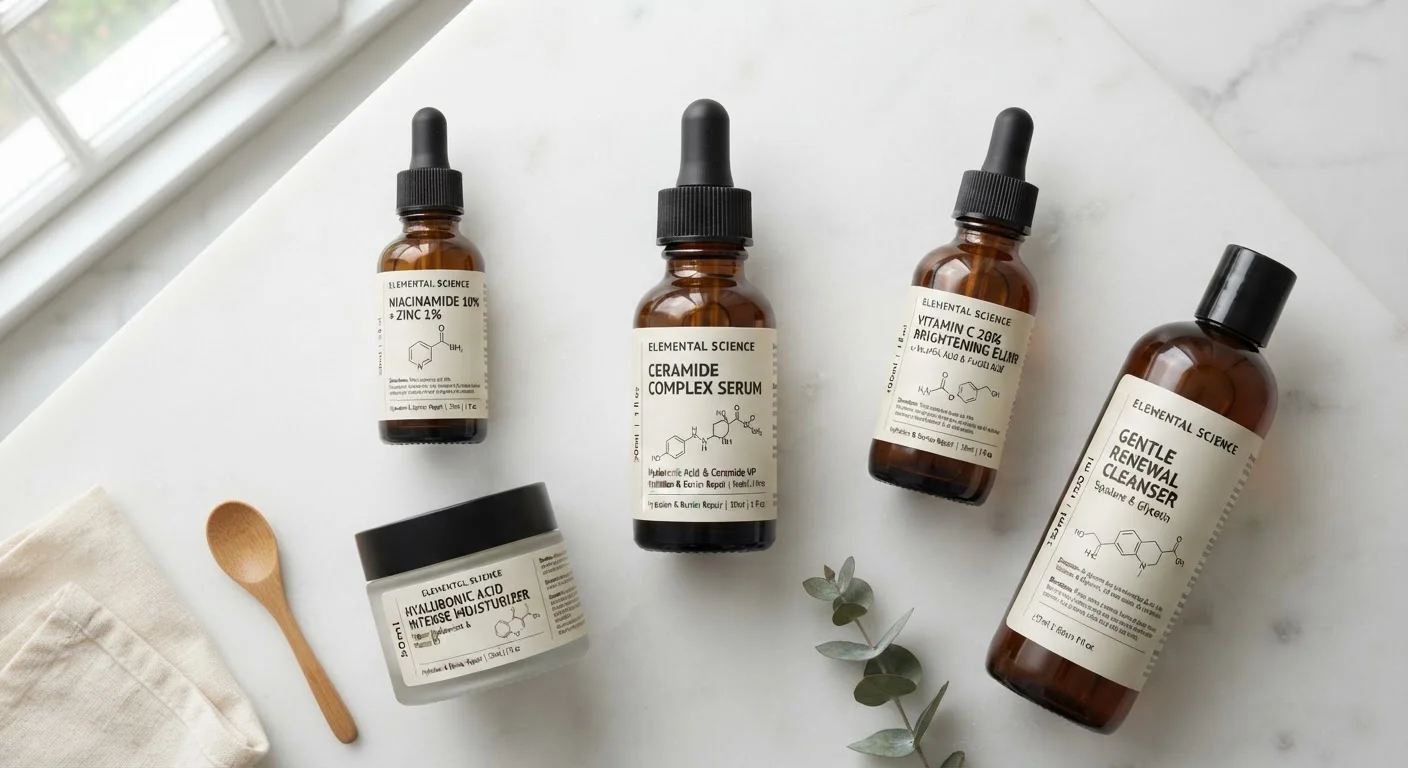
Photo credit: SnippetColumns.com | Easy Search, Reliable Information
Retinol, niacinamide, hyaluronic acid — learn what common skincare ingredients actually do before you buy another product.
Why Ingredient Labels Feel So Overwhelming
Flip over almost any moisturizer or serum and you'll find a dense block of text that reads more like a chemistry exam than a skincare guide. Ingredients are listed under their INCI names — a standardized system that prioritizes scientific accuracy over plain English. That's why shea butter appears as Butyrospermum parkii and vitamin C shows up as ascorbic acid. The names are consistent, but they're rarely intuitive.
Knowing what to look for — and what certain ingredients actually do — helps you cut through marketing claims and choose products that address your real concerns. For a broader look at how labels are structured, see how ingredient order reveals concentration.
Humectant
An ingredient that attracts water molecules to the skin, drawing moisture in from the environment or deeper skin layers. Common examples include hyaluronic acid and glycerin.
Emollient
An ingredient that softens and smooths skin by filling in the spaces between skin cells. Emollients help reduce water loss and improve texture without actively attracting moisture.
AHA (Alpha Hydroxy Acid)
A class of water-soluble acids derived from natural sources that exfoliate the skin's surface by loosening dead cell bonds. Glycolic and lactic acid are the most common examples.
BHA (Beta Hydroxy Acid)
An oil-soluble exfoliating acid — most commonly salicylic acid — that can penetrate into pores. Often used to address acne and congestion in oily or combination skin types.
Retinol
A vitamin A derivative used in over-the-counter skincare to support cell turnover. Results require consistent use over time, and initial dryness or irritation is common when starting.
Niacinamide
Also known as vitamin B3, this well-studied ingredient supports the skin barrier, helps even skin tone, and can reduce the appearance of enlarged pores and excess oil.
INCI Name
International Nomenclature of Cosmetic Ingredients — the standardized scientific naming system required on cosmetic labels globally. It explains why familiar ingredients appear under unfamiliar names.
Antioxidant
A compound that helps neutralize free radicals — unstable molecules caused by UV exposure and pollution that can damage skin cells. Vitamin C and vitamin E are common skincare antioxidants.
Key Ingredients and What They Actually Do
Most evidence-backed skincare ingredients fall into a handful of functional categories: hydrators, exfoliants, antioxidants, and cell-communicators. Understanding these categories makes it far easier to evaluate a product without being swayed by packaging promises.
| Ingredient list order | Listed highest to lowest concentration by weight (FDA cosmetic labeling regulations) |
| Retinol result timeline | Typically 8–12 weeks of consistent use (General dermatology guidance) |
| Hyaluronic acid molecule size | Too large to penetrate deeply; works at skin surface (Published cosmetic chemistry research) |
| Niacinamide typical concentration | 2%–10% in most over-the-counter formulas (Cosmetic formulation standards) |
| AHAs common pH range | 3.0–4.0 for effective exfoliation (Cosmetic chemistry literature) |
Hydrators and Moisturizers
Hyaluronic acid is a humectant — it draws water toward the skin from the surrounding environment. Despite the word "acid," it doesn't exfoliate. It naturally occurs in the body and is generally well-tolerated across skin types. Hydrating and moisturizing aren't the same thing, and hyaluronic acid specifically hydrates rather than sealing moisture in.
Glycerin is another common humectant — inexpensive, widely studied, and effective. Emollients like dimethicone or squalane work differently: they fill gaps between skin cells and reduce water loss rather than actively attracting it.
Exfoliating Acids
AHAs (alpha hydroxy acids) such as glycolic acid and lactic acid work at the skin's surface to loosen the bonds between dead cells, promoting smoother texture. BHAs (beta hydroxy acids) — most commonly salicylic acid — are oil-soluble, meaning they can penetrate into pores and are often used for acne-prone skin. For a deeper explanation of how these differ from physical scrubs, see the full exfoliation guide.
Retinoids
Retinol is a vitamin A derivative that supports cell turnover and is among the most studied ingredients in over-the-counter skincare. It takes consistent use over weeks or months to show results, and it can cause initial irritation — particularly for those new to it. Prescription-strength retinoids are a separate category and should be discussed with a dermatologist.
Antioxidants and Brighteners
Niacinamide (vitamin B3) is a versatile ingredient with a strong research record for supporting skin barrier function, reducing the appearance of uneven tone, and managing excess oil production. Vitamin C (ascorbic acid) is an antioxidant that helps neutralize free radical damage and is often cited for its role in supporting an even complexion — though it can be unstable in formulations and degrade with light or air exposure.
Sun protection remains foundational regardless of what else is in your routine. Daily SPF use helps preserve the work these active ingredients are doing.
This article is for general informational purposes only and does not constitute medical or dermatological advice. Consult a qualified healthcare professional or dermatologist before making changes to your skincare routine, especially if you have a skin condition or are using prescription treatments.

Author
Style & Beauty Editorial Team
Style & Beauty Editorial Team is the collective byline for our editorial team and contributor network. Articles published under this byline or an editorial pen name are researched, written, and reviewed according to our editorial standards for clarity, consistency, and independence before publication.
View all articles →