
Reading a Skincare Label Without Getting Lost in the Ingredient List
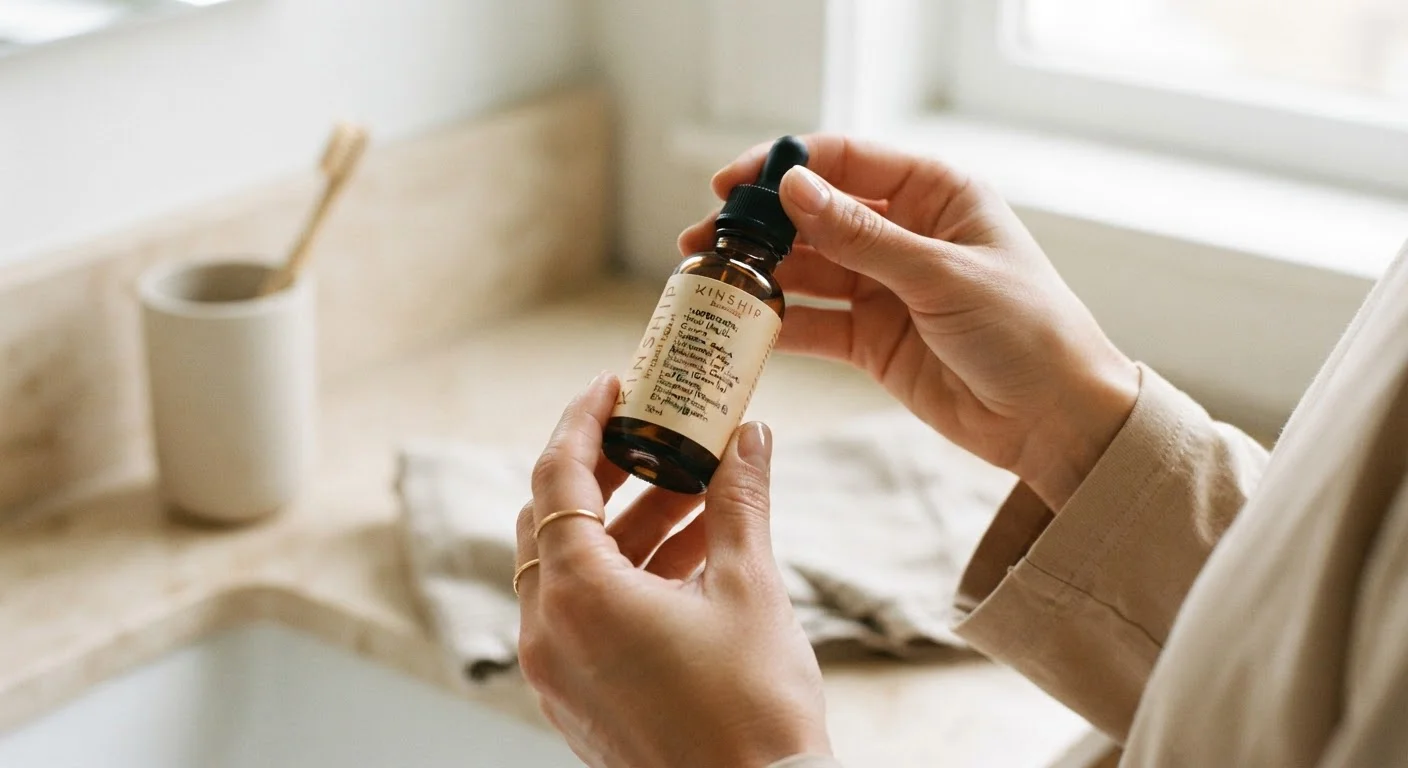
Photo credit: SnippetColumns.com | Easy Search, Reliable Information
In this article
Ingredient lists can feel like chemistry homework. Learn what to look for, what to be cautious about, and what the order of ingredients reveals.
Key Takeaways
- Ingredients are listed in descending order by concentration — position on the list matters.
- The first five ingredients make up the bulk of most formulas and deserve the closest scrutiny.
- Fragrance and preservatives appear near the bottom but can still cause reactions in sensitive skin.
- Marketing terms on the front of packaging have no universal legal definition — check the ingredient list instead.
- Understanding a few foundational ingredients helps you evaluate any product confidently.
Why the Ingredient List Is the Most Honest Part of the Label
The front of a skincare product is marketing. The back — specifically the ingredient list — is regulated disclosure. In the United States, the FDA requires cosmetic products to list all ingredients using standardized INCI names, in descending order of concentration. No other part of the label carries the same legal accountability.
Once you understand the logic behind that list, you have a reliable framework for evaluating any product — regardless of its price point, packaging, or brand claims. The skill transfers across every category: moisturizers, serums, cleansers, sunscreens, and more. It also connects naturally to reading other consumer labels; the same concentration-ordering principle appears in food nutrition labels, for example.
Ingredient Lists Are Not Medical Advice
This article is general educational information, not a substitute for professional dermatological guidance. If you have a skin condition, known allergies, or sensitivity concerns, consult a licensed dermatologist before changing your skincare routine. Reactions to ingredients vary widely between individuals.
The steps below walk you through exactly what to look for — and what to set aside.
What you will need
How to Read a Skincare Ingredient List
The product's back label
The primary source of ingredient information — everything you need is printed here by law.
A free online INCI ingredient database
Lets you look up unfamiliar ingredient names and understand their general function quickly.
Magnifying glass or phone camera zoom
Ingredient text is often printed small; zooming in prevents misreading names.
Flip the product over and find the INCI list
Every cosmetic product sold in the United States is legally required to display an ingredient list formatted using INCI — a standardized naming system that uses Latin or scientific names. This is why you'll see Aqua instead of water, or Butyrospermum Parkii instead of shea butter. The standardization exists so consumers and regulators can compare products consistently across brands and countries.
Look for the heading "Ingredients" — it may appear on the back panel, the bottom of the tube, or on an attached leaflet for smaller packaging.
Read the first five ingredients with the most attention
Ingredients are listed in descending order of concentration — from highest to lowest. The first ingredient is present in the greatest amount; by the time you reach the bottom of the list, individual ingredients may represent less than 1% of the total formula. As a practical rule, the first five ingredients together account for the majority of what's actually on your skin.
For most skincare products, water (Aqua) or aloe vera appears first. What comes after determines the product's core function: a moisturizer heavy on glycerin and emollients will feel and perform very differently from one that leads with alcohol or silicones.
Identify the functional categories present
Ingredients in skincare generally fall into recognizable functional categories. Knowing these helps you quickly assess what a product is designed to do:
- Humectants (e.g., glycerin, hyaluronic acid) — draw moisture into the skin
- Emollients & occlusives (e.g., squalane, petrolatum, shea butter) — soften skin and seal in moisture
- Actives (e.g., retinol, niacinamide, vitamin C) — deliver targeted treatment benefits
- Emulsifiers & stabilizers — hold the formula together; not primarily skin-functional
- Preservatives (e.g., phenoxyethanol, parabens) — prevent microbial growth and extend shelf life
- Fragrance — added scent, which may be synthetic or derived from natural sources
For a closer look at what common actives actually do, see Skincare Ingredients Decoded.
Note where fragrance and preservatives appear
Fragrance and preservatives almost always appear in the lower third of an ingredient list because they function effectively at low concentrations. Their position doesn't reduce their relevance if you have sensitive skin — even small amounts can cause reactions in some individuals.
On U.S. labels, the word Fragrance or Parfum can legally represent a blend of dozens of undisclosed compounds. If your skin reacts easily, Fragrance in Skincare: What Sensitive Skin Users Should Understand offers practical guidance on what to watch for.
Check the product's shelf life symbols
Two symbols on skincare packaging relate directly to ingredient stability and safety. The Period After Opening (PAO) symbol — a small open jar with a number followed by 'M' — tells you how many months a product remains effective and safe after you first open it. A separate expiration or 'best before' date may also appear.
Ingredients like vitamin C and retinol are particularly prone to degradation over time, which affects both performance and safety. For a full explanation of these symbols and why they matter, see Understanding Expiration Dates and Shelf Life in Beauty Products.
Use a Reliable Ingredient Database
Several free, publicly available ingredient databases allow you to look up any INCI name and understand its general function and safety profile. Cross-referencing an unfamiliar ingredient takes under a minute and is one of the most efficient habits a label-reader can build. These tools are informational aids, not diagnostic resources.
What to Do With What You've Found
Once you've worked through the ingredient list, you're equipped to ask better questions. Does the product contain the active it claims to feature — and is that active positioned high enough in the list to be present in a meaningful amount? Are there ingredients you know your skin doesn't tolerate? Does the preservative system seem appropriate for the product type?
Front-Label Claims Can Be Misleading
Terms like 'natural,' 'clean,' 'dermatologist-tested,' and 'hypoallergenic' carry no universal legal definition in the United States. They are marketing language, not regulated categories. Always flip to the ingredient list to verify what a product actually contains. For a deeper look at label terminology, see Reading a Beauty Product Label Without Getting Fooled by Marketing.
No single ingredient reading will tell you everything. Formulation chemistry involves interactions between ingredients that a label alone can't fully communicate. But developing the habit of reading ingredient lists — rather than relying on front-label language — consistently leads to more informed, confident choices.
For broader context on building a routine that works, the Beauty Basics hub covers grooming and skincare fundamentals across every step. And if you're looking to understand how specific actives like retinol or niacinamide work before committing to a product, Skincare Ingredients Decoded is a logical next read.
This article is for general informational and educational purposes only. It is not a substitute for professional dermatological or medical advice. If you have skin concerns, allergies, or a diagnosed skin condition, consult a qualified healthcare provider before making changes to your skincare routine.

Author
Style & Beauty Editorial Team
Style & Beauty Editorial Team is the collective byline for our editorial team and contributor network. Articles published under this byline or an editorial pen name are researched, written, and reviewed according to our editorial standards for clarity, consistency, and independence before publication.
View all articles →