
Your First Skincare Routine: A No-Fuss Starting Point
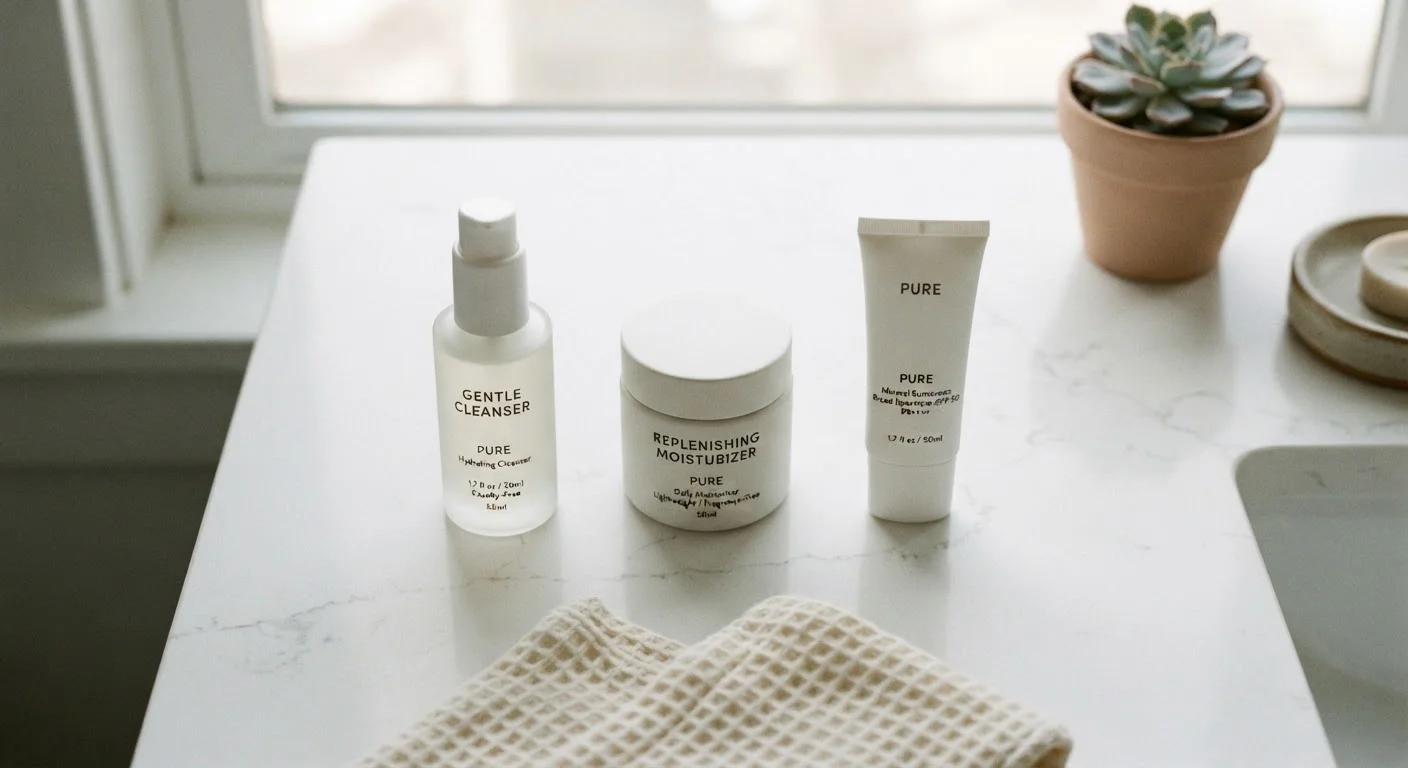
Photo credit: SnippetColumns.com | Easy Search, Reliable Information
In this article
If you've never had a consistent skincare routine, this guide breaks it down into a simple, achievable daily practice.
Key Takeaways
- A basic skincare routine requires only three steps: cleanse, moisturize, and apply sunscreen.
- Consistency over several weeks matters far more than using advanced or expensive products.
- Skin type — oily, dry, combination, or sensitive — determines which product formulas work best for you.
- Introducing too many new products at once is a leading cause of irritation and breakouts.
- Sunscreen is the single most evidence-backed step for maintaining long-term skin health.
Why Most Skincare Routines Fail Beginners
The beauty industry sells complexity. Walk into any retailer and you'll encounter serums, essences, exfoliants, toners, and treatments — each promising transformation. For someone who's never had a consistent routine, that wall of products doesn't inspire confidence; it produces paralysis.
The result is a familiar pattern: you buy several products, try them all at once, experience irritation or see no immediate results, and quietly abandon the whole endeavor. This isn't a willpower problem — it's a starting-point problem.
Effective skincare is not about volume. It's about a short sequence of evidence-backed steps performed consistently. Understanding that is the real first step. For a broader look at how skin and grooming habits connect, see our guide to building a daily grooming routine that actually fits your life.
Moisture barrier
The outermost layer of skin that locks in hydration and keeps irritants out. Keeping it intact is the goal of most basic skincare.
Non-comedogenic
A label indicating a product is formulated to avoid clogging pores. Important for anyone with oily or acne-prone skin.
Broad-spectrum SPF
Sunscreen that protects against both UVA rays (which age skin) and UVB rays (which burn). SPF 30 is the commonly recommended daily minimum.
pH-balanced cleanser
A face wash formulated close to skin's natural acidity level (around pH 4.5–5.5), which helps avoid stripping the moisture barrier.
Patch test
Applying a small amount of a new product to a discreet skin area and waiting 24–48 hours to check for reactions before using it on your face.
Chemical exfoliant
An ingredient like AHA or BHA that gently dissolves dead skin cells through a chemical process rather than physical scrubbing.
The Three Steps Every Routine Needs
Whatever your skin type or concern, a foundational routine has three non-negotiable steps.
Step 1: Cleanse
Cleansing removes sweat, excess oil, pollutants, and residue that accumulate on skin throughout the day. Use a gentle, pH-balanced cleanser once in the morning and once at night. Over-cleansing — using harsh formulas or washing more than twice daily — can strip your skin's moisture barrier and trigger more oil production, not less.
Step 2: Moisturize
Moisturizer helps your skin retain water and supports the lipid barrier that keeps irritants out. Even oily skin benefits from moisturizer — the goal is to choose a lightweight, non-comedogenic formula (meaning it won't clog pores) rather than skipping the step entirely. Dry skin generally benefits from richer creams; oily skin from gel or fluid textures.
Step 3: Protect (AM only)
Broad-spectrum sunscreen applied every morning is the most evidence-supported single skincare habit available. It guards against UVA and UVB rays, both of which contribute to collagen breakdown, uneven pigmentation, and elevated skin cancer risk. SPF 30 is the minimum dermatologists generally recommend for daily use.
Night Is Your Skin's Recovery Window
Your skin does most of its repair work while you sleep, making your nighttime routine especially valuable. Cleansing before bed removes the day's buildup and allows your moisturizer to work without competition from sunscreen or environmental residue. You don't need a separate elaborate night routine to start — just cleanse and moisturize, consistently.
Choosing Products Without the Overwhelm
You don't need premium pricing to get these three steps right. The most important variables are formula type and skin compatibility, not brand prestige.
- For dry skin: Look for cream or lotion moisturizers with ingredients like glycerin, hyaluronic acid, or ceramides — all help attract or retain moisture.
- For oily or acne-prone skin: Gel cleansers and oil-free, non-comedogenic moisturizers are a sensible starting point. If you experience consistent breakouts even with a careful routine, our article on why skin breaks out despite a careful routine covers common culprits in detail.
- For sensitive skin: Fragrance-free, dye-free formulas with minimal ingredient lists reduce the risk of reactions. Patch-test any new product on your inner forearm before applying to your face.
Introduce one new product at a time, waiting at least a week between additions. This is the only reliable way to identify what your skin responds to — positively or negatively.
Don't Mix New Products All at Once
Starting three or four new products simultaneously is one of the most common beginner mistakes. If your skin reacts negatively — redness, breakouts, stinging — you won't know which product is responsible. Introduce products one at a time, spaced at least a week apart, so you can clearly identify what works for your skin.
Building Consistency: Making It Stick
A three-step routine takes under three minutes. The challenge isn't time — it's habit formation. Attaching your routine to an existing anchor in your day (brushing your teeth in the morning, showering at night) dramatically increases follow-through.
Keep your products visible and accessible. Products stored in a cabinet or drawer are used far less consistently than those sitting on the counter. A small tray next to your sink lowers the friction that causes skipped days.
Track progress with photos taken in the same lighting every two weeks rather than daily mirror checks. Daily scrutiny makes it hard to see gradual change and encourages impatience that leads to routine abandonment or premature product-switching.
Men building their first routine will find similar consistency principles covered in our men's grooming starter guide.
When to Add More Steps
Once you've maintained your three-step routine reliably for six to eight weeks and your skin feels balanced, you can thoughtfully consider adding a targeted step — a chemical exfoliant, a vitamin C serum, or a dedicated eye cream, for example.
The key word is one addition at a time. Adding multiple actives simultaneously is the fastest route back to irritation and confusion about what's causing what.
If you want to understand the logic of how morning and evening routines should differ — because some ingredients genuinely work better at specific times of day — our AM vs. PM routine breakdown is the natural next read.
If a skin condition persists, worsens, or doesn't respond to a basic routine, consult a licensed dermatologist. This guide provides general education, not medical advice, and a qualified professional is the appropriate resource for personal skin health concerns.
American Academy of Dermatology: Skincare Basics
The AAD publishes free, clinician-reviewed guides on building a basic skincare routine, understanding skin types, and choosing sunscreen — a reliable, non-commercial reference point.
Skin Type Self-Assessment Tool
Interactive questionnaires that help you identify whether your skin is dry, oily, combination, or sensitive — a useful first step before selecting any product.
Frequently Asked Questions

Author
Style & Beauty Editorial Team
Style & Beauty Editorial Team is the collective byline for our editorial team and contributor network. Articles published under this byline or an editorial pen name are researched, written, and reviewed according to our editorial standards for clarity, consistency, and independence before publication.
View all articles →