
Grooming for Men: Building a Routine From the Ground Up
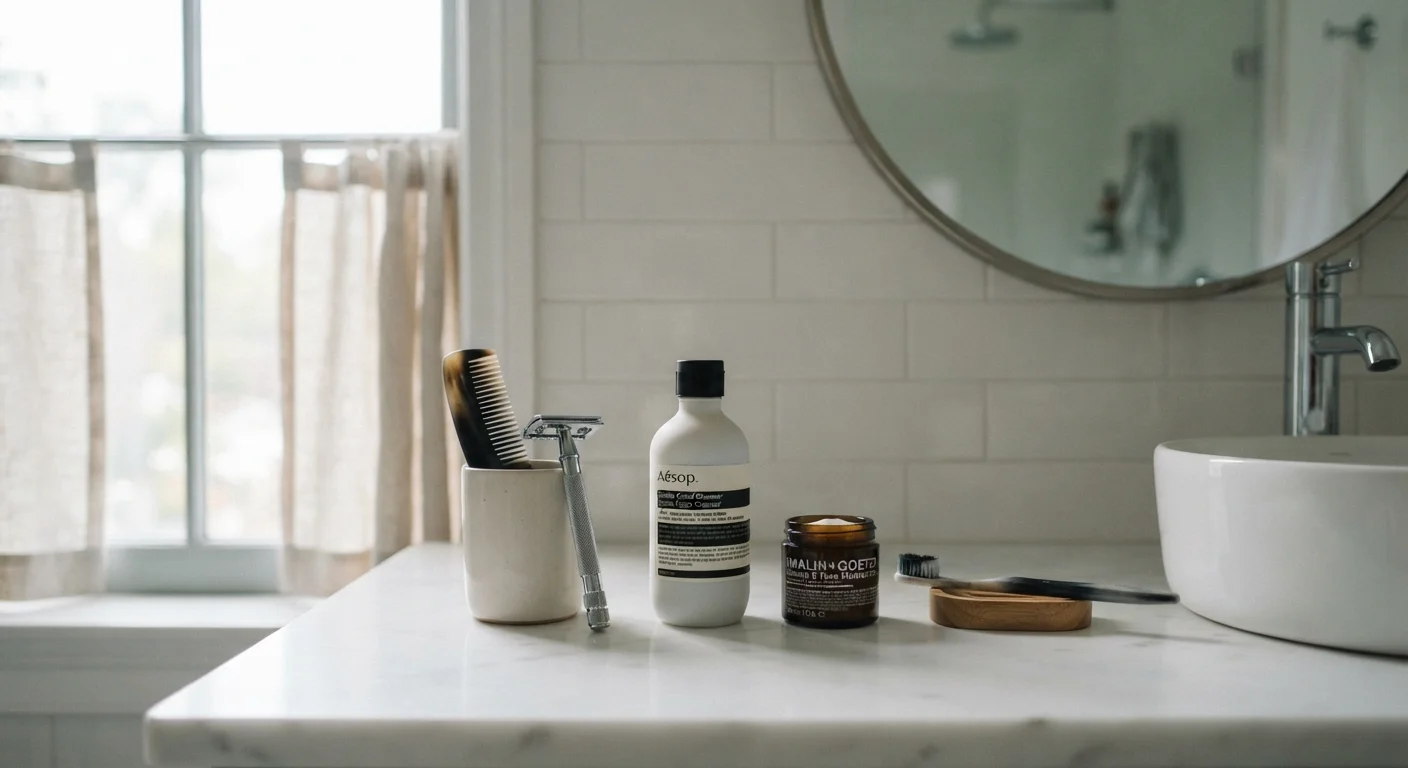
Photo credit: SnippetColumns.com | Easy Search, Reliable Information
In this article
No prior routine? No problem. This guide covers the fundamental steps every man needs for clean skin, hair, and general upkeep.
Key Takeaways
- A grooming routine doesn't require many products — just the right ones used consistently.
- Cleansing, moisturizing, and sun protection form the core of any effective skin care practice.
- Scalp health directly affects hair appearance and should not be overlooked.
- Shaving, trimming, and nail care are simple habits with a significant impact on overall appearance.
- Starting small and building gradually leads to better long-term consistency.
Why a Grooming Routine Matters
Grooming is not about vanity — it's about maintenance. Like brushing your teeth or getting regular sleep, a consistent grooming routine supports your skin's health, prevents common issues like irritation and buildup, and helps you present yourself with confidence in any setting.
The barrier to starting is usually perceived complexity. The reality is that a solid foundational routine takes under ten minutes a day and requires only a handful of products. See our breakdown of a daily grooming routine for a closer look at what each step actually accomplishes and why it earns its place in your day.
Non-comedogenic
A label indicating that a product is formulated to avoid clogging pores, making it a safer choice for people prone to breakouts.
SPF (Sun Protection Factor)
A measure of how much a sunscreen product protects skin from UVB rays. Broad-spectrum SPF 30 or higher is generally recommended for daily use.
Skin barrier
The outermost layer of skin that retains moisture and protects against environmental irritants. Harsh products can disrupt it, leading to dryness or sensitivity.
Scalp type
A description of how oily or dry your scalp tends to be, which determines how often you need to shampoo and which products will work best.
Post-shave balm
A moisturizing product applied after shaving to soothe irritation, reduce redness, and help the skin recover from the friction of a blade.
Skin Care: The Non-Negotiable Foundation
Your skin is the largest organ you have, and the face takes the most daily exposure — weather, pollution, shaving friction, and UV rays. Three steps cover most of what skin needs at the beginner level.
- Cleanse: Use a gentle, pH-balanced face wash morning and night to remove oil, debris, and dead skin cells without stripping your skin's natural moisture barrier. Harsh soaps can cause dryness and irritation, so ingredient simplicity matters here.
- Moisturize: Apply a lightweight moisturizer after cleansing while skin is still slightly damp. This helps seal in hydration. Look for formulas labeled non-comedogenic if you tend toward oiliness or breakouts.
- Sun protection: Daily SPF is the single most evidence-supported step in long-term skin care. Using a moisturizer with built-in broad-spectrum SPF 30 or higher combines two steps into one. UV exposure is a leading contributor to premature aging and skin damage regardless of skin tone.
For a more detailed walk-through of starting a skin care practice, this no-fuss skincare starting point offers clear, actionable guidance.
One Product at a Time
When starting out, introduce one new product at a time and use it consistently for two to three weeks before adding another. This approach helps you identify what's working — and quickly spot anything that causes irritation or breakouts.
Hair and Scalp Basics
Hair care is often treated as purely cosmetic, but scalp health is the foundation. An unhealthy scalp — whether oily, dry, or flaky — affects how hair looks and behaves regardless of which styling products you use. Scalp health drives everything from hair growth to oiliness, and it's worth understanding before you start stacking products.
At the beginner level, focus on two fundamentals:
- Shampoo at the right frequency for your scalp type. Oily scalps may need more frequent washing; dry or textured hair types often benefit from washing less often to preserve natural oils. When in doubt, start every other day and adjust from there.
- Condition the ends, not the scalp. Conditioner is designed to soften and detangle the hair shaft, not treat the scalp. Applying it from mid-length to the ends prevents buildup at the roots that can lead to greasiness.
Face and Body Upkeep
Beyond skin and hair, a few targeted habits round out a complete beginner routine.
- Shaving or trimming: Whether you prefer a clean shave or a maintained beard, consistency is key. Shave with the grain on sensitive areas to reduce irritation, and always use a fresh blade. A post-shave balm or gentle moisturizer helps calm the skin after friction.
- Nail care: Clean, trimmed nails are one of the most noticed — and most neglected — aspects of personal grooming. A simple nail clipper and a quick weekly check is all it takes.
- Lip care: Lips dry out quickly, especially in cold or dry climates. An unflavored, fragrance-free lip balm is a low-effort addition with a visible payoff.
Avoid Overloading New Products at Once
Trying multiple new grooming products simultaneously makes it difficult to identify the cause if your skin reacts negatively. Introduce products one at a time over a period of several weeks. If you experience persistent irritation, redness, or unusual skin changes, consult a dermatologist rather than self-treating.
Building Consistency Without the Overwhelm
The biggest risk in starting a new routine is doing too much at once and burning out. Grooming habits become automatic the same way any habit does — through repetition tied to an existing cue. Attach your new steps to things you already do: washing your face right after brushing your teeth, applying moisturizer before you pick up your phone in the morning.
Once the basics feel natural, you can layer in additional habits. A weekly reset routine is a practical next step — it helps you catch what the daily routine misses and keeps things from gradually slipping. And if your schedule is tight, these time-smart grooming habits show you how to stay polished without adding pressure.
Consistency over perfection is the governing principle. A simple routine done daily outperforms an elaborate one done sporadically every time.
Daily Grooming Routine Breakdown
A step-by-step look at what belongs in a daily grooming routine and why each step earns its place. Useful once you have the basics down and want to understand the reasoning behind each habit.
Weekly Grooming Reset Checklist
A practical weekly checklist to audit and refresh your grooming habits, helping you catch what daily routines miss before issues build up.
Frequently Asked Questions

Author
Style & Beauty Editorial Team
Style & Beauty Editorial Team is the collective byline for our editorial team and contributor network. Articles published under this byline or an editorial pen name are researched, written, and reviewed according to our editorial standards for clarity, consistency, and independence before publication.
View all articles →