
Shaving vs. Waxing vs. Trimming: Choosing the Right Hair Removal Approach
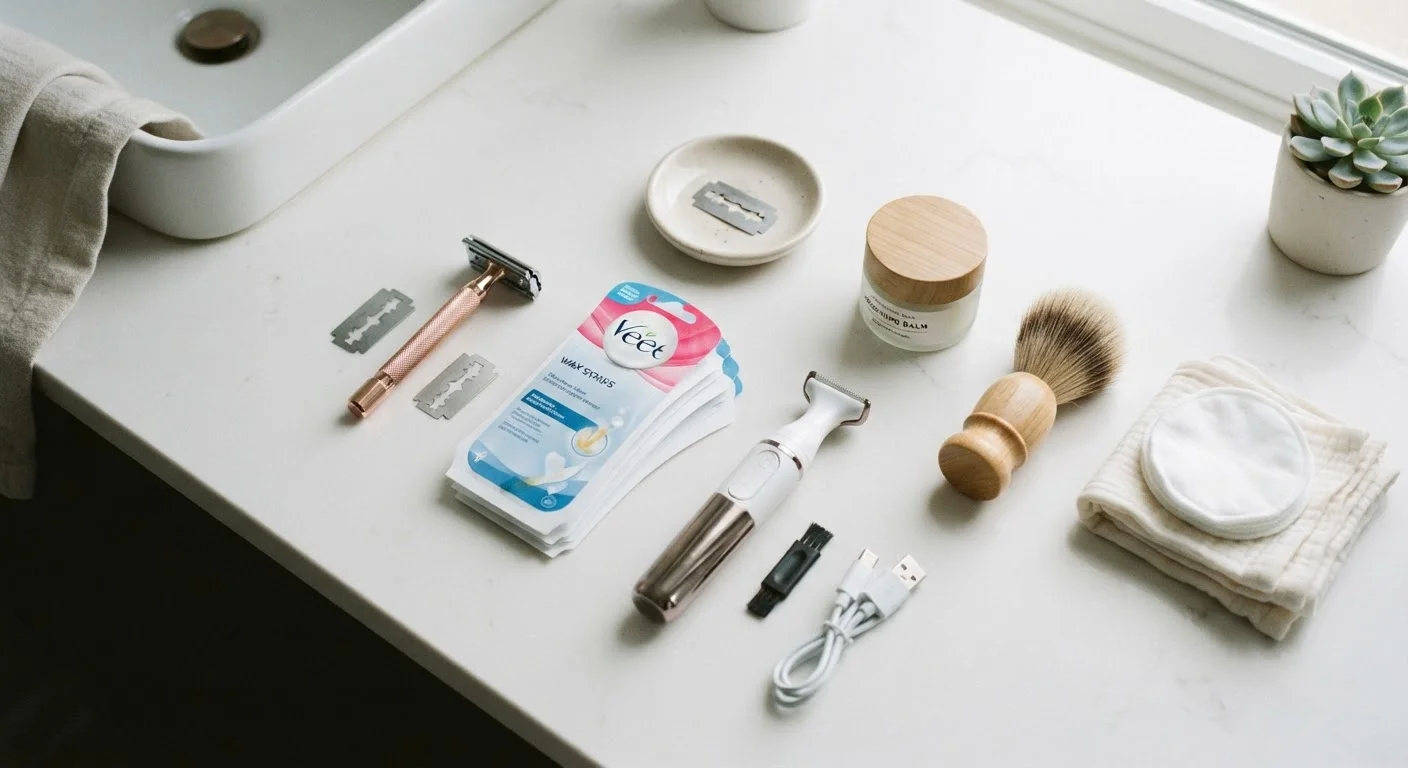
Photo credit: SnippetColumns.com | Easy Search, Reliable Information
In this article
Each hair removal method has real trade-offs in cost, comfort, and upkeep. This breakdown helps you figure out which suits your needs.
Key Takeaways
- Shaving is the fastest and most affordable option, but results typically last only one to three days.
- Waxing removes hair from the root, delivering smoother skin for two to six weeks, but requires some hair regrowth before each session.
- Trimming keeps hair at a controlled length without full removal — ideal for those who prefer a groomed rather than bare look.
- Skin sensitivity, body area, and available time are the three factors most likely to determine which method works best for you.
- Prep and aftercare matter as much as the method itself — proper exfoliation and moisturizing reduce irritation across all three approaches.
How Each Method Actually Works
Understanding the mechanics behind each approach makes the trade-offs easier to evaluate. Shaving cuts hair at the skin's surface using a blade — whether a manual razor or an electric foil shaver. It doesn't affect the follicle, which is why regrowth appears quickly and often feels stubbly. Waxing, by contrast, applies a resin-based product to the skin and removes hair from the root when pulled away. This interrupts the growth cycle, leaving the area smooth for considerably longer. Trimming uses scissor-style guards or clippers to shorten hair to a set length without removing it entirely — no follicle involvement, no skin-level cutting.
Each technique targets a different point along the hair shaft, and that distinction drives everything downstream: how long results last, how much discomfort to expect, and how your skin is likely to respond. As part of any daily grooming routine, understanding which method fits which area and goal is a foundational step.
Comparing Cost, Comfort, and Upkeep
Cost structures differ significantly. Shaving requires the lowest upfront investment — a razor and shaving cream or gel — but blades need regular replacement and costs accumulate over time. Waxing at a salon carries a per-session fee that varies by area; at-home wax kits reduce that cost but require more technique to use safely. Trimming typically involves a one-time or infrequent purchase of a quality trimmer, with minimal ongoing expense.
| Shaving | Waxing | Trimming | |
|---|---|---|---|
| Results Duration | 1–3 days | 2–6 weeks | Varies; hair shortened, not removed |
| Upfront Cost | Low | Moderate to high (salon) | Moderate (one-time tool) |
| Ongoing Cost | Recurring (blades, cream) | Per session or kit refills | Minimal |
| Pain/Discomfort | Low (risk of nicks, razor burn) | Moderate (pulling sensation) | Very low |
| Skin Sensitivity Risk | Moderate (ingrowns, irritation) | Moderate to high (redness, irritation) | Low |
| Time Per Session | 5–15 minutes | 15–45 minutes | 2–10 minutes |
| Skill Required | Low | Moderate | Low |
Comfort is equally variable. Shaving is painless when done correctly with a sharp blade and adequate lubrication, but razor burn, ingrown hairs, and nicks are common, particularly on curved or sensitive areas. Waxing involves a sharp pulling sensation and temporary redness — manageable for most, but worth factoring in if your skin is reactive. Trimming is the gentlest of the three: no direct skin contact from the cutting edge, no heat, and no chemical involvement.
Upkeep frequency rounds out the picture. Shaving may need repeating every one to three days for visible smoothness. Waxing typically holds for two to six weeks depending on individual hair growth rate. Trimming can be done as often or as rarely as preferred, since the goal is length management rather than elimination. For those grooming on a packed schedule, trimming or waxing often requires less total weekly time than daily or near-daily shaving.
Skin Type and Body Area Considerations
Method selection should account for where on the body you're removing hair and what your skin can tolerate. Shaving is straightforward for legs and underarms but demands more care on the face, bikini line, and other contoured areas where blade angle is harder to control. Waxing is widely used on the face, legs, underarms, and bikini area, though anyone prone to redness or with very sensitive skin should patch-test first — and those using certain topical retinoids or exfoliating acids should consult a dermatologist before waxing, as these can thin the skin's surface layer.
Prep Your Skin Before Any Method
Cleanse the area thoroughly before shaving or waxing to remove oils and reduce bacteria exposure. For waxing, hair should be approximately a quarter-inch long — too short and the wax won't grip; too long and removal becomes more painful. Always follow any hair removal session with a fragrance-free moisturizer to support the skin barrier.
Trimming is particularly well-suited for facial hair — beard shaping, eyebrow grooming, and nose or ear hair — as well as body hair management for those who prefer a natural but tidy result. It avoids the skin contact that can trigger sensitivity reactions.
Darker skin tones may be more prone to post-inflammatory hyperpigmentation (darkening of the skin after irritation) from methods that cause friction or trauma. Ingrown hairs, which can occur with shaving and waxing, also tend to be more prominent and harder to resolve on coarser or curlier hair textures. Consistent exfoliation before and between hair removal sessions helps reduce ingrown hair frequency regardless of method.
Making the Decision: A Practical Framework
Rather than defaulting to one method for your entire body, most people do well with a combination approach. A trimmer for facial hair or above-the-knee body hair, shaving for quick touch-ups on legs or underarms, and waxing for areas where longer-lasting smoothness matters most — this kind of minimalist grooming kit strategy is both practical and adaptable.
Ask yourself three questions: How long do I want results to last? How much skin sensitivity am I working with? How much time and money am I willing to spend on upkeep? Your answers will point clearly toward one method — or a specific combination — for each area. There's no single right answer, and preferences can shift over time as your skin, schedule, or grooming goals evolve.
~25%
Adults who experience ingrown hairs from shaving
Dermatology literature consistently identifies razor-related ingrown hairs as one of the most common skin complaints among regular shavers.
2–6 weeks
Typical smoothness window after waxing
Waxing removes hair from the follicle root, and regrowth rate varies based on individual biology and the body area treated.
This article is for general informational purposes only and does not constitute medical or dermatological advice. If you experience persistent skin reactions, irritation, or other concerns related to hair removal, consult a qualified healthcare or skincare professional.

Author
Style & Beauty Editorial Team
Style & Beauty Editorial Team is the collective byline for our editorial team and contributor network. Articles published under this byline or an editorial pen name are researched, written, and reviewed according to our editorial standards for clarity, consistency, and independence before publication.
View all articles →