
Skin Type Decoded: Why It Shapes Every Product Choice You Make
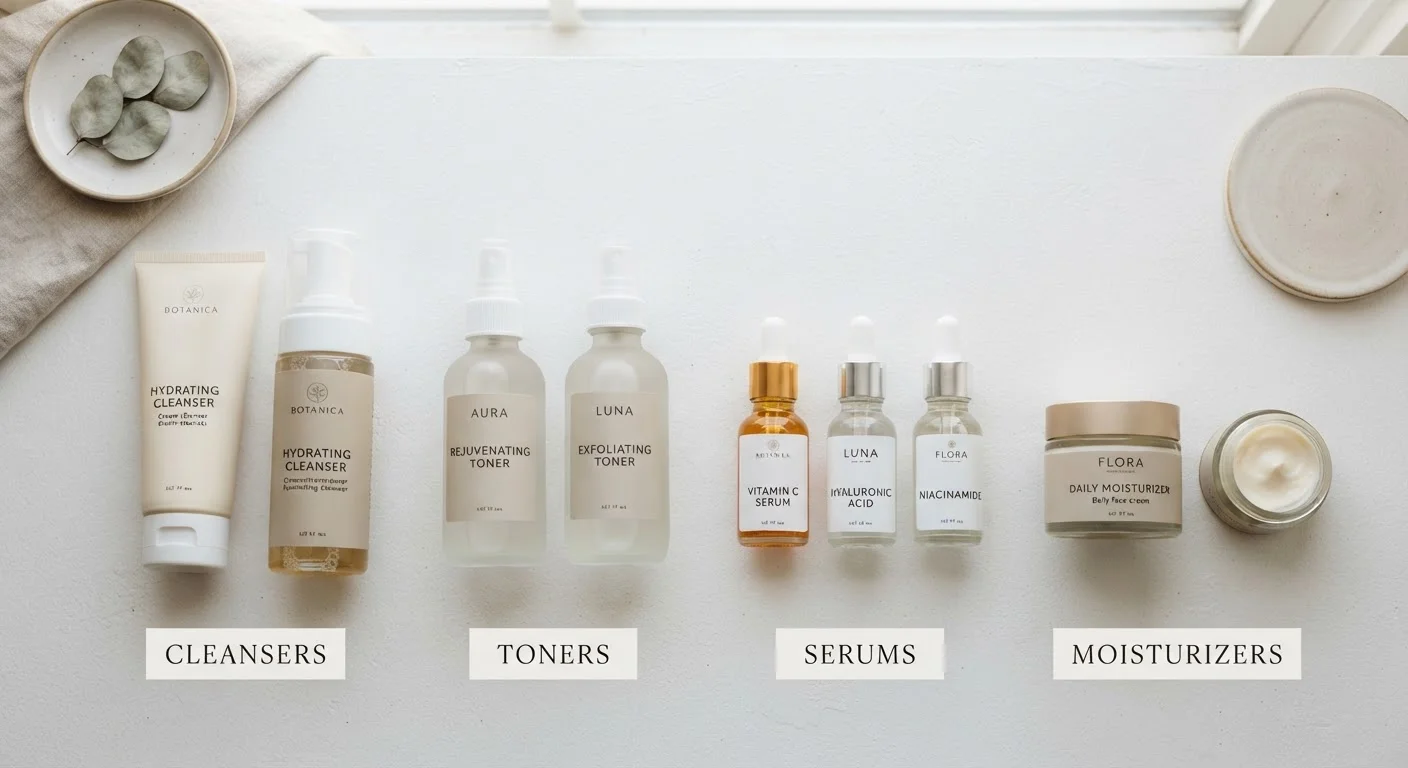
Photo credit: SnippetColumns.com | Easy Search, Reliable Information
In this article
Oily, dry, combination, or sensitive — learn what your skin type really means and how it should guide your entire skincare approach.
Key Takeaways
- Skin type reflects your skin's baseline oil production and moisture retention, not a temporary condition.
- Oily, dry, combination, and sensitive are the four main categories, each requiring a different product approach.
- Using the wrong formulation for your skin type can worsen concerns like breakouts, flakiness, or irritation.
- Skin type can shift gradually due to age, climate, hormones, and lifestyle — periodic reassessment is worthwhile.
- Skin type and skin condition are different; both matter when building a routine.
Why Skin Type Is the Starting Point for Everything
Every skincare decision — cleanser, moisturizer, SPF, serum — is only as effective as it is compatible with your skin. Use the wrong formula and you're not just wasting money; you may actively be creating the problems you're trying to solve. Heavy creams on oily skin can clog pores. Foaming cleansers on dry skin can strip what little barrier protection remains. This is why identifying your skin type isn't a cosmetic exercise — it's a functional one.
Skin type is largely determined by how active your sebaceous (oil) glands are. That output level influences texture, pore appearance, how quickly your skin feels tight after cleansing, and which ingredients your skin tolerates well. Once you understand your type, the logic behind product categories becomes much easier to navigate. See our deeper look at what drives skin behavior for more on the science behind skin classification.
~50%
People who self-identify as having sensitive skin
Surveys across dermatology literature consistently find roughly half of respondents report some degree of skin sensitivity, though clinical definitions vary.
4
Recognized baseline skin type categories
Oily, dry, combination, and sensitive are the categories most widely used by dermatologists and cosmetic chemists to guide product formulation and recommendation.
~70%
Combination skin prevalence estimates
Some dermatological research suggests combination is the most frequently occurring skin type, particularly among younger adults, though estimates vary by population studied.
The Four Main Skin Types — What Each One Actually Means
Oily skin produces more sebum than average. It often appears shiny, particularly across the forehead, nose, and chin (the T-zone). Pores may look larger, and this type is more prone to blackheads and acne. The goal with oily skin is to regulate without stripping — aggressive drying triggers more oil production as the skin compensates.
Dry skin produces less sebum and loses moisture more readily, leading to a tight feeling, flakiness, and sometimes visible fine lines even at a younger age. Dry skin benefits from richer formulations that reinforce the skin's natural barrier. Note that dry skin and dehydrated skin aren't the same — the difference between moisturizing and hydrating is a meaningful distinction worth understanding.
Combination skin is the most common type and involves characteristics of both oily and dry skin simultaneously — typically oily in the T-zone and drier on the cheeks. This type requires a more tailored approach: lighter textures overall with targeted treatment in specific zones.
Sensitive skin reacts more readily to products, temperature, stress, or environmental factors with redness, stinging, or flaring. It isn't always a standalone type — it can overlay oily, dry, or combination skin. The priority here is keeping routines minimal and ingredient lists short.
How Skin Type Should Shape Your Product Choices
Once you know your type, the approach to building a routine becomes more logical than overwhelming. A few guiding principles:
- Oily skin: Look for gel or water-based cleansers, oil-free or non-comedogenic moisturizers, and lightweight SPF formulas. Avoid heavy occlusives like petrolatum as a primary moisturizer.
- Dry skin: Cream or balm cleansers that don't strip, followed by richer moisturizers containing ingredients like ceramides or squalane, work well. Alcohol-dominant toners and strong exfoliants should be used sparingly, if at all.
- Combination skin: Multi-zone thinking helps here — gel-based products across the board, with slightly richer application where dryness is present. Avoid formulas marketed as suited to one extreme or the other.
- Sensitive skin: Fragrance-free, dye-free, and minimal-ingredient formulas reduce the risk of reactions. Patch-testing new products before full use is especially important.
When you're ready to dive into what ingredients actually appear on labels and what they do, our guide to common skincare ingredients breaks it down in plain language. And if decoding the label itself feels like a hurdle, reading a skincare label without getting lost is a practical next step.
Reassess Your Skin Type Seasonally
Your skin's behavior in humid summer months will differ from how it acts in dry winter air. If your routine stops feeling right — your moisturizer suddenly feels too heavy, or your skin starts feeling tight when it didn't before — that's a signal to reassess rather than add more products. A simpler routine recalibration often solves what feels like a product problem.
This article is for general informational and educational purposes only and does not constitute medical or dermatological advice. Consult a licensed dermatologist for concerns about skin conditions or reactions.
Frequently Asked Questions

Author
Style & Beauty Editorial Team
Style & Beauty Editorial Team is the collective byline for our editorial team and contributor network. Articles published under this byline or an editorial pen name are researched, written, and reviewed according to our editorial standards for clarity, consistency, and independence before publication.
View all articles →