
Renting vs. Owning Gadgets for Short-Term Needs
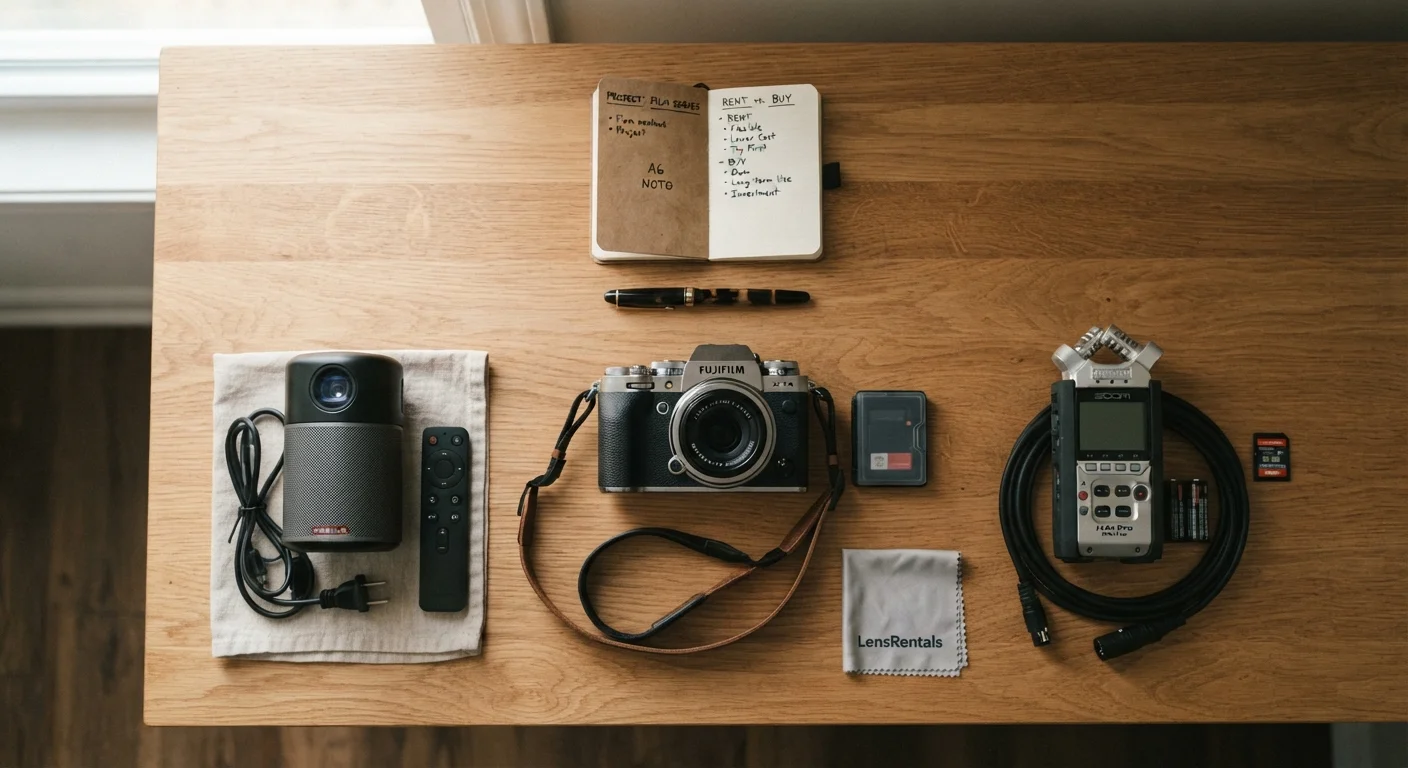
Photo credit: SnippetColumns.com | Easy Search, Reliable Information
In this article
Cameras, projectors, audio gear — when does renting a gadget make more sense than buying one you'll rarely use?
Key Takeaways
- Renting makes financial sense when you'll use a gadget fewer than a handful of times per year.
- Ownership pays off when a device fits your regular routine and holds value through consistent use.
- Hidden ownership costs — storage, maintenance, software updates — often go unaccounted for.
- Many rental platforms now offer short-term access to professional-grade gear at a fraction of the purchase price.
- The right answer depends on frequency of use, not the appeal of owning the latest model.
The Real Question Isn't Cost — It's Frequency
Most people approach gadget decisions by asking how much a device costs to buy. A more useful question is: how often will you actually use it? A $400 camera used twice a year costs you $200 per use in purchase price alone — before you factor in a bag, memory cards, and the mental overhead of keeping it charged and updated.
Frequency of use is the single most reliable filter. If a device would realistically see fewer than four or five uses annually, the economics of renting usually win. If it's something you'd reach for weekly or more, ownership almost always makes more practical sense. This is why a structured approach to evaluating gadgets consistently starts with usage patterns rather than price tags.
Gadgets that commonly fall into the rent-or-own grey zone include mirrorless cameras, data projectors, portable PA systems, drones, and lighting kits — gear that's genuinely useful but only for specific situations.
| Criterion | Renting | Owning |
|---|---|---|
| Upfront cost | Low (pay per use) | High (full purchase price) |
| Long-term cost (heavy use) | High (fees accumulate) | Low (cost spreads over time) |
| Storage responsibility | None | Yours to manage |
| Maintenance & updates | Handled by rental provider | Your responsibility |
| Availability | Not always guaranteed | On-demand, always available |
| Personalization | Minimal — resets between users | Full — configure to your preferences |
| Best for | Occasional or one-time needs | Regular, repeated use |
The Hidden Costs of Ownership
The sticker price is only part of what you pay to own a gadget. Storage takes up physical space in your home. Batteries degrade and need replacing. Firmware updates occasionally break compatibility with accessories. And devices left unused for months can develop problems — swollen batteries, seized mechanical parts, corrupted firmware — that require time or money to resolve.
As explored in the trade-offs of owning more connected devices, accumulating gadgets has a compounding cost in attention and upkeep that rarely shows up in purchase-decision math. Owning a drone you fly three times a year still means staying current on FAA registration rules, battery storage protocols, and software updates.
~20%
Annual depreciation on consumer electronics
Consumer electronics commonly lose around 20% of their value per year, according to general depreciation estimates used in personal finance planning.
1 in 3
Gadgets used fewer than once a month
Surveys on consumer electronics habits consistently find a significant share of purchased devices see infrequent use within the first year of ownership.
Renting sidesteps most of this. You pay for access when you need it, return the device when you're done, and let someone else absorb depreciation, maintenance, and storage costs. The rental provider also typically supplies gear in working, calibrated condition — a meaningful benefit for precision tools like audio recorders or lighting meters.
When Renting Falls Short
Renting isn't frictionless. Availability isn't guaranteed — especially for niche or in-demand gear during peak periods like wedding season or the holidays. Pickup, return logistics, and rental windows add planning overhead. And if something gets damaged on your watch, rental agreements vary considerably in how liability is handled, so it's worth reading the fine print before committing.
There's also a personalization gap. A device you own can be configured exactly to your preferences — custom settings saved, accessories pre-attached, familiar in your hands. Rental gear resets between users. For workflows where muscle memory and personal configuration matter, that friction adds up.
It's also worth checking what existing tech you may already own but underuse before renting or buying anything new. Your smartphone camera, laptop microphone, or existing speakers may already cover the use case with less hassle than either option.
Check Rental Terms Before You Commit
Rental agreements vary significantly in how they handle damage, late returns, and liability. Some platforms include basic damage waivers; others place full replacement costs on the renter. Always read the terms before picking up gear, and consider whether your existing homeowners or renters insurance covers rented personal property — some policies do.
Making the Call: A Practical Test
Before deciding, run through three quick checks. First, estimate how many times per year you'd realistically use the device — not optimistically, realistically. Second, price out a typical rental for that device and multiply by your estimated annual uses. Third, compare that total to the purchase price plus a rough estimate of accessories and upkeep.
If the rental math comes out lower over two to three years, renting is the cleaner choice. If ownership amortizes below rental cost within that window — and you have the storage space — buying makes sense. Either way, avoid letting the appeal of ownership override the numbers. Common gadget myths often push people toward buying gear they'd be better off renting, or upgrading devices that still serve their actual needs perfectly well.
For a deeper look at building consistent habits around tech spending, the smarter spending habits hub offers practical frameworks that apply well beyond gadgets.

Author
Tech & Gadgets Editorial Team
Tech & Gadgets Editorial Team is the collective byline for our editorial team and contributor network. Articles published under this byline or an editorial pen name are researched, written, and reviewed according to our editorial standards for clarity, consistency, and independence before publication.
View all articles →