
The Hidden Trade-Offs of Owning More Connected Devices
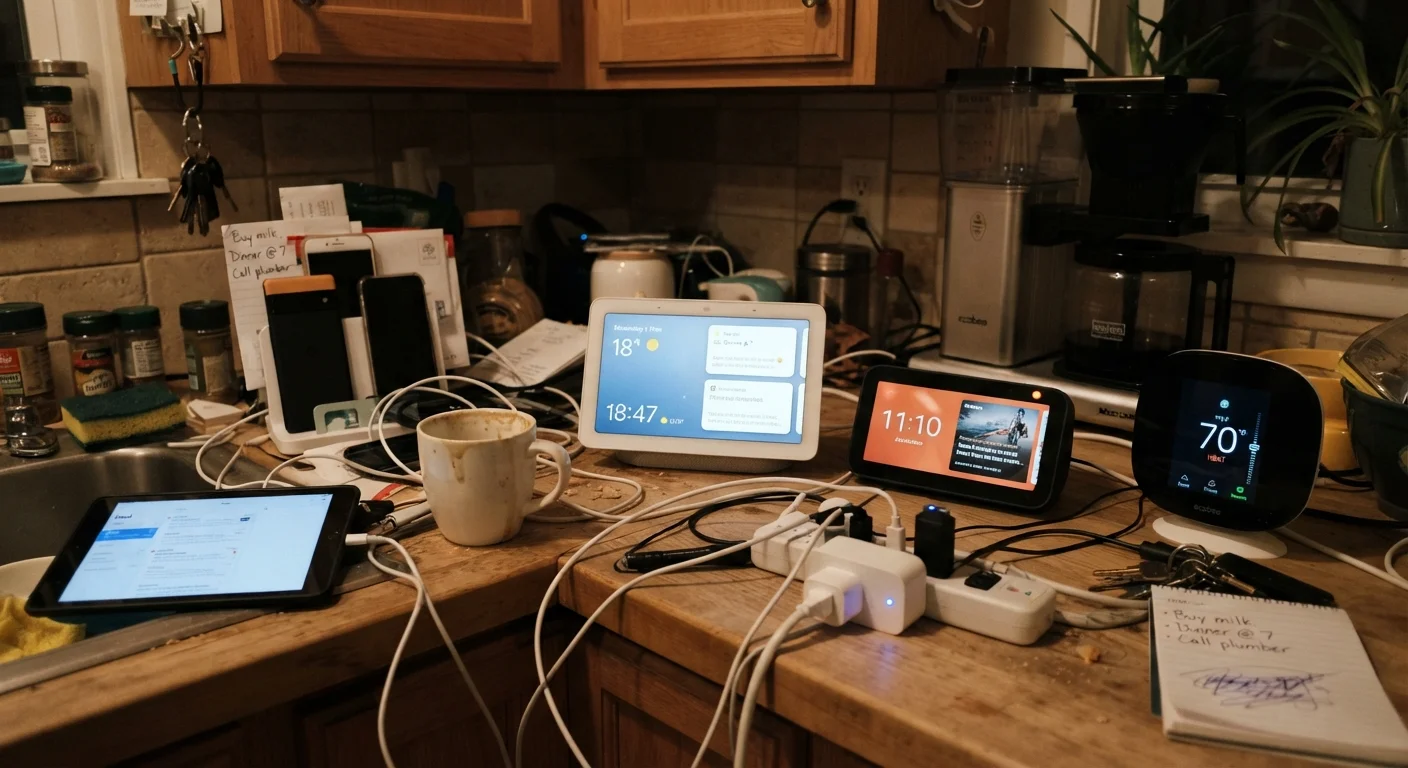
Photo credit: SnippetColumns.com | Easy Search, Reliable Information
In this article
More gadgets can mean more friction, not less. Here's an honest look at what a growing smart home actually costs in time, attention, and upkeep.
Key Takeaways
- Each new connected device adds setup time, maintenance, and a potential point of failure.
- Network strain and compatibility gaps are common friction points in multi-device households.
- Convenience gains are real but often front-loaded; long-term upkeep gets overlooked.
- Privacy exposure grows with every always-on device added to your home network.
- Fewer, well-chosen devices often outperform a large collection of underused ones.
Genuine automation reduces repetitive daily tasks
Smart scheduling for lights, thermostats, and locks can meaningfully reduce the number of small decisions you make each day, freeing up mental bandwidth.
Remote access adds real flexibility
Checking a doorbell camera or adjusting the thermostat from your phone before arriving home are practical conveniences that hold up in everyday use.
Energy monitoring can reduce utility costs
Smart plugs and connected thermostats with usage data can surface waste you'd otherwise never see, supporting more informed decisions about consumption.
Accessibility benefits are meaningful for some households
Voice-controlled devices and automated routines offer real independence to people with mobility or vision limitations that manual alternatives don't provide.
Setup and troubleshooting consume significant time
Each device requires initial configuration and periodic maintenance. As device counts grow, the cumulative time investment becomes a recurring cost that's easy to underestimate.
Network congestion can degrade overall performance
Every Wi-Fi connected device competes for bandwidth and router capacity. A congested network can slow down devices you actually depend on — including your work computer.
Privacy exposure increases with each addition
Always-on devices with microphones, cameras, or sensors expand the amount of household data being collected and transmitted, often with limited transparency about how it's used.
Cross-brand compatibility is frequently unreliable
Devices from different manufacturers often fail to integrate cleanly, leaving users managing multiple apps and discovering functionality gaps that weren't obvious at purchase.
Security vulnerabilities grow with device count
Older or infrequently updated devices can become unpatched vulnerabilities on your home network, especially if the manufacturer ends software support.
Subscription costs accumulate quietly
Many connected devices require ongoing subscriptions for full functionality — cloud storage for cameras, premium automation features — adding recurring costs that weren't always clear upfront.
Why More Gadgets Doesn't Always Mean More Convenience
The pitch for every new connected device follows a familiar script: this one thing will save you time, reduce friction, or make your home smarter. And sometimes it does — for a while. But as a household accumulates more devices, a different pattern often emerges. Managing the ecosystem becomes a job of its own.
Before adding something new, it's worth examining what you're actually signing up for. Our guide on what to think through before your first smart home device covers the foundational questions worth asking. This article goes deeper into the ongoing trade-offs once devices are already in your home.
Genuine automation reduces repetitive daily tasks
Smart scheduling for lights, thermostats, and locks can meaningfully reduce the number of small decisions you make each day, freeing up mental bandwidth.
Remote access adds real flexibility
Checking a doorbell camera or adjusting the thermostat from your phone before arriving home are practical conveniences that hold up in everyday use.
Energy monitoring can reduce utility costs
Smart plugs and connected thermostats with usage data can surface waste you'd otherwise never see, supporting more informed decisions about consumption.
Accessibility benefits are meaningful for some households
Voice-controlled devices and automated routines offer real independence to people with mobility or vision limitations that manual alternatives don't provide.
The Real Costs: Time, Attention, and Upkeep
Every connected device needs to be set up, updated, and occasionally troubleshot. One device barely registers. Five starts to feel like a part-time task. Ten or more and you're managing a small IT infrastructure.
Firmware updates, app permissions, resets after power outages, and device-specific troubleshooting all pull from the same limited resource: your time. If you've ever lost 45 minutes figuring out why a smart bulb stopped responding, you already know this feeling. The reasons smart devices drop off networks are varied and often recurring — not a one-time fix.
Setup and troubleshooting consume significant time
Each device requires initial configuration and periodic maintenance. As device counts grow, the cumulative time investment becomes a recurring cost that's easy to underestimate.
Network congestion can degrade overall performance
Every Wi-Fi connected device competes for bandwidth and router capacity. A congested network can slow down devices you actually depend on — including your work computer.
Privacy exposure increases with each addition
Always-on devices with microphones, cameras, or sensors expand the amount of household data being collected and transmitted, often with limited transparency about how it's used.
Cross-brand compatibility is frequently unreliable
Devices from different manufacturers often fail to integrate cleanly, leaving users managing multiple apps and discovering functionality gaps that weren't obvious at purchase.
Security vulnerabilities grow with device count
Older or infrequently updated devices can become unpatched vulnerabilities on your home network, especially if the manufacturer ends software support.
Subscription costs accumulate quietly
Many connected devices require ongoing subscriptions for full functionality — cloud storage for cameras, premium automation features — adding recurring costs that weren't always clear upfront.
~25+
Average connected devices per U.S. household
According to Deloitte's Digital Media Trends research, the number of internet-connected devices per U.S. household has grown substantially over the past decade, with many homes now managing well over two dozen devices.
30%
Smart home owners who report setup frustration
Consumer surveys from Parks Associates have consistently found that a significant share of smart home device owners cite setup complexity and connectivity issues as primary pain points.
Privacy and Security: The Expanding Attack Surface
Each device on your home network is a potential entry point. Connected devices — especially those with cameras, microphones, or always-on sensors — collect and transmit data as a baseline function. Some of that data benefits you directly; some of it primarily benefits the manufacturer.
The more devices you add, the harder it becomes to audit what's actually running, what's being collected, and whether software is current. Older devices in particular may stop receiving security updates, leaving a quiet vulnerability sitting on your network. Our detailed look at privacy trade-offs in always-on home devices is worth reading before adding any device with a microphone or camera.
Security Updates Have an Expiration Date
Most connected device manufacturers commit to security updates for a defined period — often three to five years — after which devices may no longer receive patches. A device that worked fine when purchased can become a network liability years later. Checking a manufacturer's stated support window before buying is a reasonable step that most shoppers skip. If a device is no longer receiving updates, consider whether it should remain connected to your primary network.
When the Ecosystem Works — and When It Doesn't
Connected devices from the same manufacturer tend to work together cleanly. Cross-brand setups are a different story. Compatibility gaps, competing smart home standards, and apps that don't communicate with each other create real friction. A voice assistant that can control your lights but not your thermostat isn't as useful as the box promised.
It's also worth asking whether you're fully using what you already own. Features buried in your existing devices often go untapped while new hardware gets added on top. More isn't always the answer — and a practical decision framework for any gadget purchase can help you weigh whether something new is genuinely filling a gap or just adding noise.

Author
Tech & Gadgets Editorial Team
Tech & Gadgets Editorial Team is the collective byline for our editorial team and contributor network. Articles published under this byline or an editorial pen name are researched, written, and reviewed according to our editorial standards for clarity, consistency, and independence before publication.
View all articles →