
How Road Trip Costs Add Up — and Where Budgets Usually Break Down
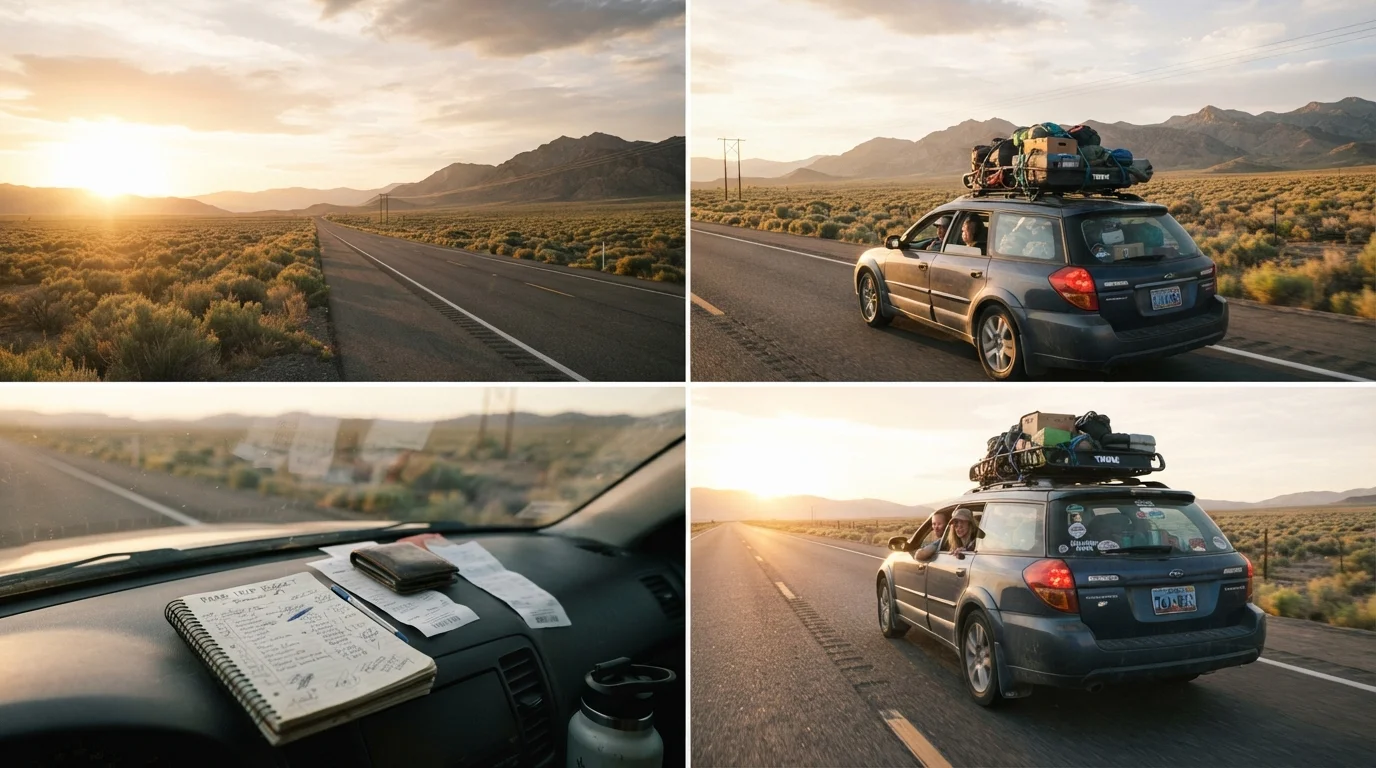
Photo credit: SnippetColumns.com | Easy Search, Reliable Information
In this article
A clear look at fuel, lodging, food, tolls, and surprise expenses so you can build a realistic road trip budget before you leave home.
Key Takeaways
- Fuel is usually the single largest road trip expense and varies significantly by vehicle and route.
- Lodging costs can double when booked last-minute or during peak travel weekends.
- Food spending is one of the easiest categories to underestimate on multi-day drives.
- Tolls, parking, and entry fees add up faster than most travelers expect.
- A 10–15% contingency buffer helps absorb vehicle breakdowns and other surprises.
- Building a line-item budget before departure reduces financial stress on the road.
Fuel: Your Largest and Most Variable Cost
Fuel almost always tops the road trip spending list — and it's also the hardest to pin down. Your actual cost depends on three things: the distance you're covering, your vehicle's real-world miles per gallon, and the price of gas along your specific route.
To get a working estimate, divide your total planned miles by your vehicle's highway MPG, then multiply by the average fuel price in the regions you'll pass through. Don't rely on your car's EPA rating — real-world highway fuel economy often differs, especially with a packed vehicle, roof cargo, or aggressive speed. See how driving habits specifically affect your fuel bill in our article on fuel economy on long drives.
Route choice also matters. Interstate highways generally deliver better fuel efficiency than winding scenic roads, but they may pass through areas with higher gas prices. Comparing scenic routes and interstates involves more than just aesthetics — it has real dollar implications.
~$0.15–$0.20
Estimated per-mile fuel cost for an average passenger vehicle
Based on general estimates using average U.S. fuel prices and typical highway MPG for a mid-size sedan; actual costs vary by vehicle and conditions.
$80–$120
Estimated daily food spend for a family of four
Reflects a mix of fast food, casual dining, and convenience store purchases common on multi-day family road trips.
10–15%
Recommended contingency buffer for a road trip budget
A standard personal finance guideline for absorbing unplanned costs like vehicle repairs, medical needs, or last-minute lodging changes.
Lodging and Food: Where Costs Quietly Escalate
After fuel, lodging is typically the second-largest line item on a road trip budget. Prices swing dramatically based on location, timing, and how far in advance you book. A motel near a national park on a summer weekend can cost three times what the same room runs on a Tuesday in the off-season. For a practical side-by-side look at your overnight options, see overnight road trip lodging options.
Food spending is where most travelers underestimate. It's easy to picture one meal at a sit-down restaurant, but the reality of a multi-day drive includes gas station coffees, drive-through lunches, roadside snacks, and the occasional splurge dinner. These add up faster than expected. A family of four eating primarily at fast food and casual restaurants might spend $80–$120 per day on meals alone — before beverages or tips.
Pack a Cooler to Cut Food Costs
Bringing a cooler stocked with drinks, breakfast items, and easy snacks is one of the most effective ways to reduce daily food spending on a long drive. Even covering just two out of three meals keeps money in your pocket without sacrificing comfort. A small upfront grocery run before departure pays dividends across multiple days.
Tolls, Fees, and the Costs Nobody Writes Down
This is the category where road trip budgets most commonly fall apart. Tolls feel small in the moment — $1.50 here, $4.75 there — but on a cross-country route through toll-heavy states, daily toll costs can reach $30–$60 for a passenger vehicle. If you're towing a trailer, toll costs can be significantly higher due to axle-based pricing.
Beyond tolls, consider these frequently overlooked expenses:
- National or state park entry fees: Many parks charge $20–$35 per vehicle.
- Campground or RV hookup fees: Even "free" camping sometimes charges for water or electric.
- Parking in cities: Urban stops for sightseeing can run $15–$40 per day in garage parking.
- Wi-Fi or mobile data overages: Streaming navigation and entertainment in remote areas can exhaust data limits.
For a broader look at expense categories that tend to get missed in personal budgets, spending categories most budgets overlook covers several that apply directly to travel planning.
Toll Transponders Can Save Money
Many states offer discounted rates for electronic toll collection (such as E-ZPass in the Northeast or SunPass in Florida) compared to cash payment lanes. If your route passes through multiple toll states, using a compatible transponder can reduce both cost and travel time. Check your home state's toll authority for multi-state compatibility before your trip.
Vehicle Costs and the Contingency Buffer
Pre-trip vehicle preparation is an investment that pays off. An oil change, tire pressure check, and fluid top-off before departure are modest costs compared to a breakdown on the road. A tow truck call alone can cost $100–$300 depending on distance, and that's before any shop labor or parts.
Build a contingency fund of at least 10–15% of your total estimated budget specifically for vehicle issues, medical needs, or other genuine emergencies. This isn't pessimism — it's the same logic that applies to any well-structured financial plan. For broader guidance on vehicle prep, the pre-departure readiness checklist is a useful starting point, and pairing it with a road trip emergency kit adds another layer of protection.
The full planning picture — from route to return — comes together in The Complete Road Trip Planning Framework, which integrates budgeting with every other stage of preparation.
This article is for general informational purposes only and does not constitute financial or professional advice. Costs referenced are illustrative estimates and will vary based on individual circumstances, vehicle type, route, and market conditions. Consult a qualified financial professional for guidance tailored to your situation.
Frequently Asked Questions

Author
Autos & Driving Editorial Team
Autos & Driving Editorial Team is the collective byline for our editorial team and contributor network. Articles published under this byline or an editorial pen name are researched, written, and reviewed according to our editorial standards for clarity, consistency, and independence before publication.
View all articles →