
Fragrance in Skincare: What Sensitive Skin Users Should Understand
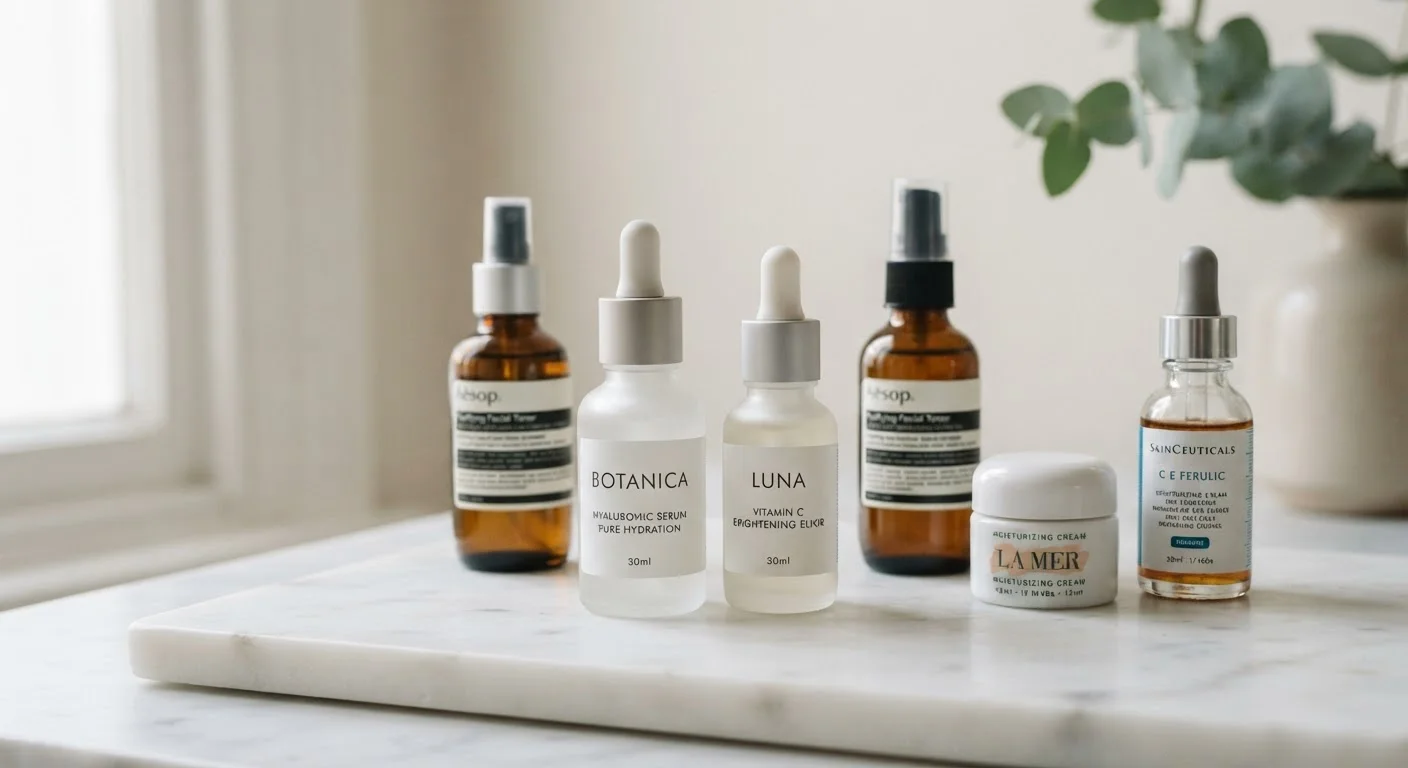
Photo credit: SnippetColumns.com | Easy Search, Reliable Information
In this article
Fragrance is one of the most common causes of skin irritation. Here's what the research says and what to consider if your skin reacts easily.
Key Takeaways
- Fragrance is one of the most frequently cited causes of contact dermatitis and skin irritation in cosmetics.
- Both synthetic and natural fragrances can trigger reactions — 'natural' does not automatically mean safer for sensitive skin.
- Fragrance-free and unscented are not the same thing; unscented products may still contain masking fragrances.
- Patch testing new products helps identify reactions before applying them to larger skin areas.
- People with eczema, rosacea, or reactive skin are at higher risk of fragrance-related irritation.
Enhances the sensory and emotional experience of skincare
Scent plays a genuine role in how people experience self-care rituals. A pleasant fragrance can increase product enjoyment and encourage consistent use, which matters for long-term routine adherence.
May mask unpleasant base ingredient odors
Certain active ingredients — such as some acids or peptides — have naturally off-putting smells. Fragrance can improve tolerability and make formulations more user-friendly.
Poses low risk for non-sensitive skin types
People without skin sensitivity or a history of contact dermatitis may use fragranced products for years without any adverse reaction, particularly in leave-on products with low fragrance concentrations.
Leading cause of cosmetic-related allergic contact dermatitis
Dermatological research consistently identifies fragrance mixtures as among the most common triggers of allergic reactions from personal care products. Reactions can develop after months or years of use, not just on first exposure.
Both natural and synthetic versions carry allergy risk
Essential oils such as lavender and citrus are documented allergens. Marketing language suggesting natural fragrances are inherently safer is not supported by clinical evidence.
Fragrance compounds are often undisclosed on U.S. labels
In the United States, "fragrance" or "parfum" on an ingredient list can represent dozens of undisclosed chemicals, making it difficult for consumers to identify specific sensitizers.
Higher risk for those with eczema, rosacea, or compromised skin barrier
When the skin barrier is already compromised, fragrance molecules penetrate more deeply and are more likely to trigger immune responses. Dermatologists typically recommend fragrance-free formulations as a baseline for these conditions.
Provides no functional skincare benefit
Unlike actives such as antioxidants or humectants, fragrance contributes nothing to skin health. Its inclusion represents a trade-off between sensory appeal and potential irritation risk.
Why Fragrance Is Such a Polarizing Skincare Ingredient
Fragrance serves no functional skincare purpose — it doesn't hydrate, protect, or repair skin. Its role in a formula is purely sensory: to make the product smell pleasant and, by extension, more appealing to buy. Yet fragrance remains one of the most commonly included ingredients across the cosmetic industry, from cleansers to moisturizers to serums.
That widespread use matters because fragrance is also one of the most frequently identified allergens in contact dermatitis cases. According to dermatological research, fragrance mixtures consistently rank among the top causes of allergic and irritant skin reactions from cosmetic products. For people with no skin sensitivity, low-concentration fragrance in a rinse-off product may present minimal risk. For those with reactive skin, even small amounts can cause redness, itching, swelling, or a burning sensation — sometimes after repeated exposure rather than immediately.
Understanding this tradeoff is especially important if you're still figuring out your skin type, since sensitive or combination-sensitive skin types are disproportionately affected.
The Case For and Against Fragrance in Skincare
Fragrance in skincare has real appeal — and real drawbacks. Here's how those stack up for someone with sensitive skin.
Enhances the sensory and emotional experience of skincare
Scent plays a genuine role in how people experience self-care rituals. A pleasant fragrance can increase product enjoyment and encourage consistent use, which matters for long-term routine adherence.
May mask unpleasant base ingredient odors
Certain active ingredients — such as some acids or peptides — have naturally off-putting smells. Fragrance can improve tolerability and make formulations more user-friendly.
Poses low risk for non-sensitive skin types
People without skin sensitivity or a history of contact dermatitis may use fragranced products for years without any adverse reaction, particularly in leave-on products with low fragrance concentrations.
Leading cause of cosmetic-related allergic contact dermatitis
Dermatological research consistently identifies fragrance mixtures as among the most common triggers of allergic reactions from personal care products. Reactions can develop after months or years of use, not just on first exposure.
Both natural and synthetic versions carry allergy risk
Essential oils such as lavender and citrus are documented allergens. Marketing language suggesting natural fragrances are inherently safer is not supported by clinical evidence.
Fragrance compounds are often undisclosed on U.S. labels
In the United States, "fragrance" or "parfum" on an ingredient list can represent dozens of undisclosed chemicals, making it difficult for consumers to identify specific sensitizers.
Higher risk for those with eczema, rosacea, or compromised skin barrier
When the skin barrier is already compromised, fragrance molecules penetrate more deeply and are more likely to trigger immune responses. Dermatologists typically recommend fragrance-free formulations as a baseline for these conditions.
Provides no functional skincare benefit
Unlike actives such as antioxidants or humectants, fragrance contributes nothing to skin health. Its inclusion represents a trade-off between sensory appeal and potential irritation risk.
One point that trips people up: fragrance-free and unscented are not interchangeable terms. A product labeled "unscented" may still contain masking fragrances — chemicals added to neutralize the smell of other ingredients. Only products explicitly labeled "fragrance-free" are formulated without fragrance compounds. If you're reading a skincare label, look for both the fragrance-free designation and scan the ingredient list for terms like "parfum," "fragrance," "aroma," or specific fragrant botanical extracts.
Natural vs. Synthetic Fragrance: Is One Safer?
A common misconception in beauty marketing is that natural or botanical fragrances are inherently gentler than synthetic ones. The evidence doesn't fully support this. Essential oils — lavender, citrus, rose, eucalyptus — are among the most frequently documented fragrance allergens in dermatology literature. Plant-derived doesn't mean hypoallergenic.
Synthetic fragrances, while sometimes more chemically complex, are also more tightly regulated in certain markets. The EU, for example, requires disclosure of 26 specific fragrance allergens on product labels when present above certain concentrations. The U.S. currently allows broader "fragrance" umbrella labeling, meaning the specific compounds aren't always disclosed to consumers.
A Note on "Hypoallergenic" Claims
The term "hypoallergenic" has no standardized legal definition in the United States. Manufacturers are not required to meet any specific criteria before using it on a label. A product labeled hypoallergenic may still contain fragrance compounds. Always verify by checking the full ingredient list rather than relying on front-of-package claims.
If you're experiencing unexplained breakouts that persist despite a careful routine, fragrance ingredients may be a contributing factor worth investigating — see what commonly disrupts even careful skincare routines.
Practical Steps for Sensitive Skin Users
If you suspect fragrance is causing irritation, a structured approach is more useful than simply swapping every product at once.
- Patch test new products on a small area of skin (inner forearm or behind the ear) for 48–72 hours before broader application.
- Simplify your routine temporarily — strip back to a fragrance-free cleanser, moisturizer, and SPF to establish a baseline.
- Reintroduce products one at a time, waiting at least a week between additions, to identify which product or ingredient causes a response.
- Consult a board-certified dermatologist if reactions are persistent, spreading, or severe. Patch testing performed by a dermatologist can identify specific allergens with greater precision than self-testing.
For a deeper look at how individual ingredients interact with skin, decoding common skincare ingredients is a useful next step.
This article is for general informational purposes only and is not a substitute for professional medical or dermatological advice. If you experience persistent skin reactions, consult a qualified healthcare provider.

Author
Style & Beauty Editorial Team
Style & Beauty Editorial Team is the collective byline for our editorial team and contributor network. Articles published under this byline or an editorial pen name are researched, written, and reviewed according to our editorial standards for clarity, consistency, and independence before publication.
View all articles →