
Phone Charging Habits That Hold Up Under Scrutiny
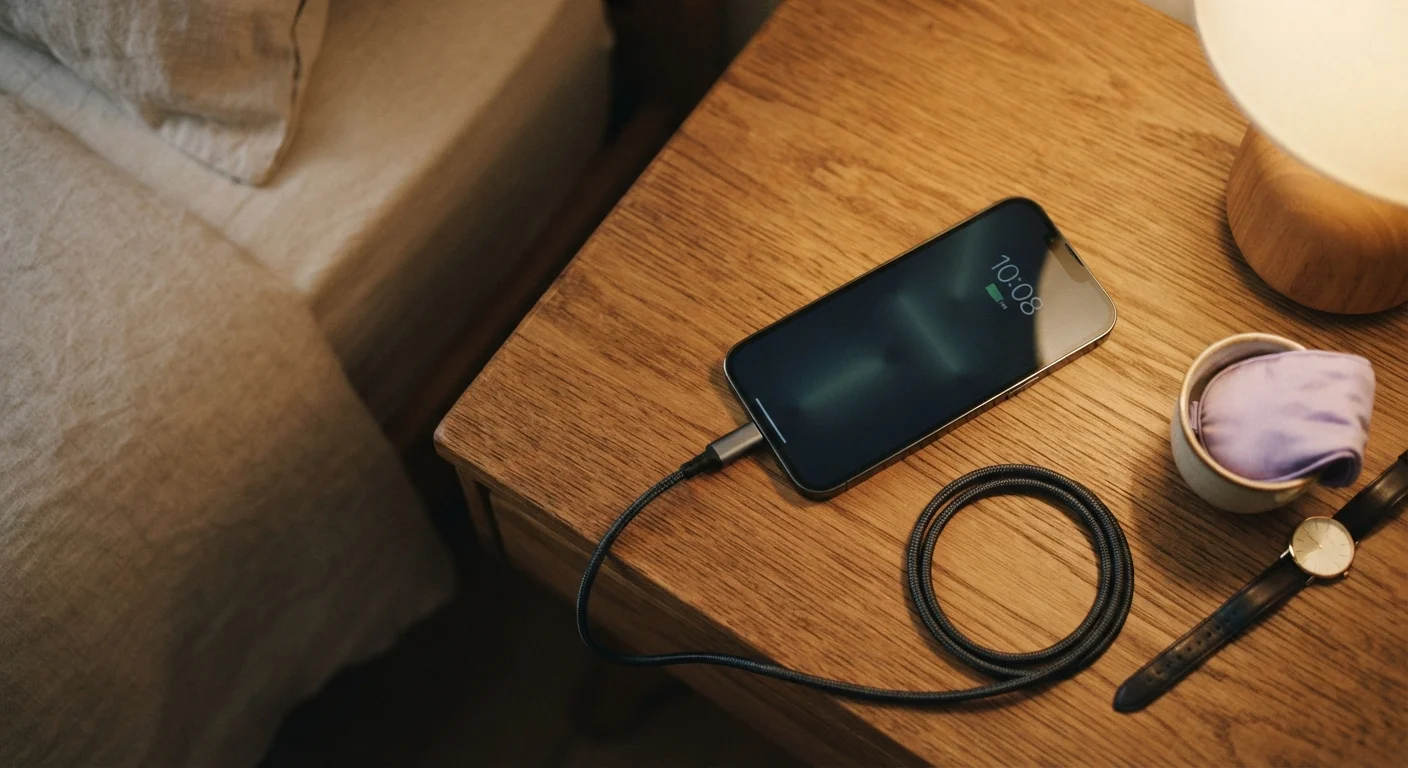
Photo credit: SnippetColumns.com | Easy Search, Reliable Information
In this article
Should you charge overnight? Avoid hitting 100%? Separate the myths from the battery science with straightforward, evidence-based answers.
Key Takeaways
- Keeping your phone between 20–80% charge generally supports longer battery lifespan.
- Overnight charging is less harmful than it once was, but not entirely without tradeoffs.
- Heat — not charging frequency — is the single biggest enemy of lithium-ion batteries.
- Using your phone while it charges is not dangerous under normal conditions.
- Official chargers are preferable, but any charger meeting your phone's spec is acceptable.
Why Charging Myths Persist
Most charging advice circulating online was written for older battery chemistry or simply never had solid science behind it. Today's smartphones rely on lithium-ion (or lithium-polymer) cells, which behave differently from the nickel-cadmium batteries that once powered early mobile phones. The habits that mattered then — like fully draining a battery before recharging — simply don't apply anymore.
Understanding a handful of real principles, rather than following a long list of rules, is all it takes to make smarter decisions. The battery health science is more accessible than most people realize — and it cuts through a lot of noise.
Myth
You should always let your battery drain completely before recharging it.
Fact
Full discharge cycles actually stress lithium-ion batteries. Frequent top-ups are better for longevity than waiting until your phone is nearly dead.
This advice made sense for nickel-cadmium batteries, which suffered from a phenomenon called memory effect — where partial charges could reduce usable capacity. Lithium-ion cells have no such mechanism. In fact, allowing a lithium-ion battery to drop to near-zero repeatedly accelerates chemical degradation. Shallow, frequent charging cycles are far kinder to the cells.
Myth
Leaving your phone plugged in overnight will overcharge and damage the battery.
Fact
Modern phones stop drawing charging current once they reach 100%, so overcharging in the traditional sense doesn't occur. However, staying at 100% for extended periods does create mild long-term stress.
Charging circuits in current smartphones are designed to cut off power delivery at full capacity. The phone switches to drawing directly from the adapter rather than cycling through the battery. That said, lithium-ion cells do experience slightly elevated stress when held at maximum charge for prolonged periods. Some manufacturers have introduced optimized overnight charging modes that learn your schedule and hold at 80% until just before your typical wake time — a worthwhile feature to enable if your phone offers it.
Myth
Fast charging destroys your battery faster than standard charging.
Fact
Fast charging does generate more heat, but modern implementations manage this carefully. Used in moderation, it does not meaningfully accelerate battery degradation for most users.
Heat is the real culprit in battery wear, and fast charging does produce more of it — particularly in the upper charge range. Manufacturers account for this by throttling fast-charging speeds as the battery approaches full capacity. The actual degradation impact of using fast charging occasionally versus standard charging is modest in practice. Where it becomes a concern is if your phone consistently runs warm during fast-charging sessions, particularly in a hot environment or inside a case that traps heat.
Myth
Using your phone while it charges is dangerous.
Fact
Charging and using your phone simultaneously is safe under normal conditions. The main risk is increased heat from combined load, not any electrical hazard.
The idea that using a phone while plugged in is dangerous — sometimes called phantom charging risk — is not supported by how modern charging circuits work. The practical issue is that running processor-intensive tasks while charging generates more heat than either activity alone, which, as covered above, is worth managing. Using your phone for light tasks like messaging or music during charging is entirely routine and presents no meaningful risk.
Myth
You must only use the charger that came in the box, or you'll damage your battery.
Fact
Any charger that meets your phone's voltage and current specifications is safe to use. The official charger is a reliable baseline, but it is not uniquely necessary.
Phone charging standards — such as USB Power Delivery and various manufacturer-specific fast-charging protocols — define what voltage and current a device will accept. A charger that adheres to those specs will function correctly regardless of brand. The genuine concern is with very cheap, uncertified chargers that may not regulate power delivery reliably. Look for chargers that carry appropriate safety certifications for your region. The charger that came with your phone is a known-good reference point, but it is not irreplaceable.
Habits That Actually Help
Once you've cleared out the myths, the practical guidance is fairly simple. Lithium-ion cells prefer partial charges over deep cycles. Keeping your phone somewhere in the middle range — say, not routinely letting it fall below 20% or climb above 80% — reduces cumulative stress on the cell. Most modern phones include settings that cap charging at 80% for exactly this reason.
Temperature management matters more than most users realize. Charging generates some heat, and a phone inside a case on a warm surface amplifies that. Removing a thick case while charging, or simply not charging on soft surfaces like beds and sofas, helps keep heat down. For more detail on habits that protect your device long-term, the guide on keeping your phone performing well covers storage, updates, and app management alongside battery care.
~500
Charge cycles before noticeable capacity loss
Lithium-ion batteries are generally rated to retain around 80% of original capacity after approximately 500 full charge cycles, though real-world results vary by usage pattern and temperature.
45°C+
Temperature threshold that accelerates battery aging
Battery researchers broadly agree that sustained exposure above roughly 45°C (113°F) meaningfully accelerates lithium-ion degradation — a level easily reached in a hot car or direct sunlight.
Portable charging accessories come with their own set of label claims that can confuse things further. If you rely on power banks, it's worth understanding what portable charger specs actually mean before assuming a higher number always equals a better product.
These same principles apply across your device lineup. The habits worth building for phones translate directly to laptops and other small electronics — the broader guide on extending the life of your everyday electronics is a practical next step.

Author
Tech & Gadgets Editorial Team
Tech & Gadgets Editorial Team is the collective byline for our editorial team and contributor network. Articles published under this byline or an editorial pen name are researched, written, and reviewed according to our editorial standards for clarity, consistency, and independence before publication.
View all articles →