
Unit Price Math: The Shelf Tag Detail Most Shoppers Overlook
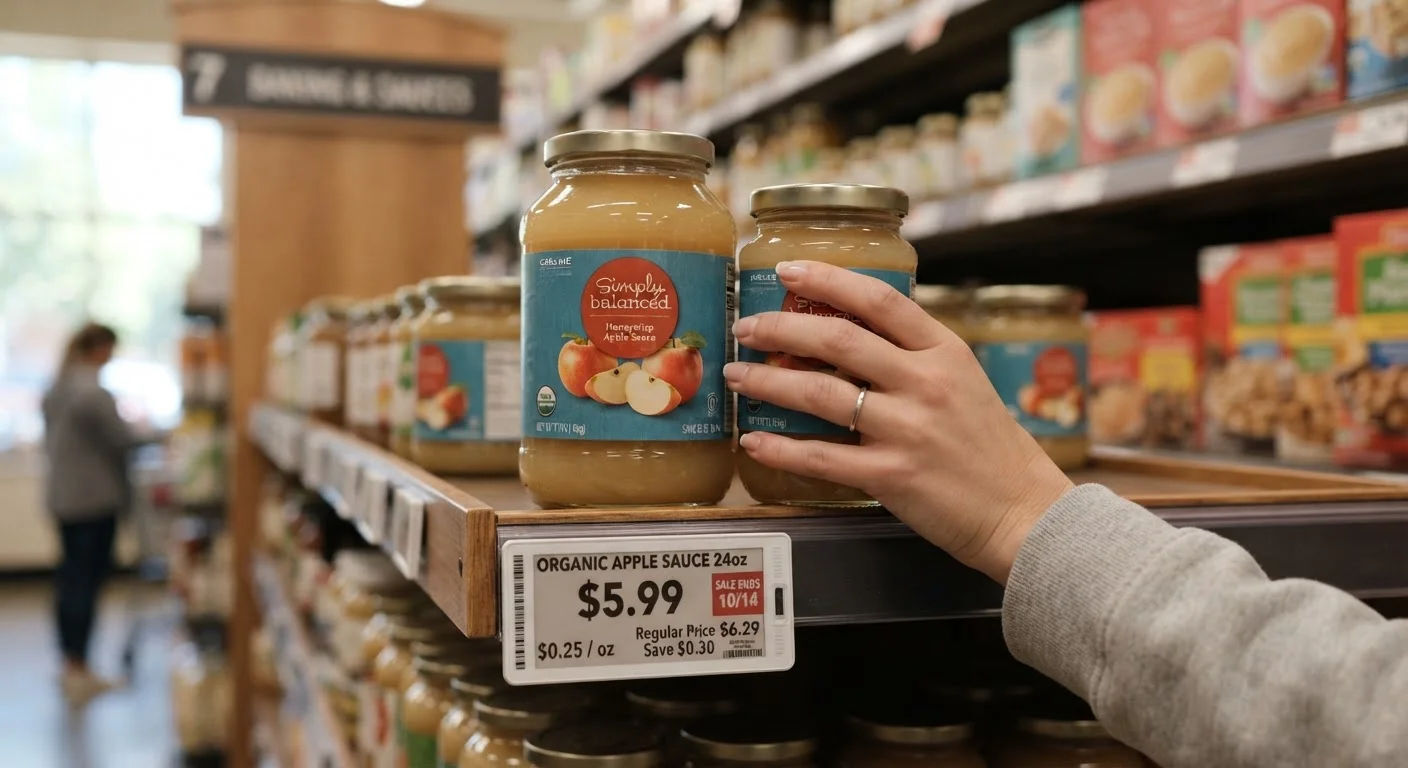
Photo credit: SnippetColumns.com | Easy Search, Reliable Information
In this article
Understanding unit pricing on grocery shelf tags can reveal whether bulk buys are genuinely cheaper or just bigger.
Key Takeaways
- The unit price — not the sticker price — reveals the true cost-per-use of any grocery item.
- Bigger packages are not always cheaper per unit; manufacturers sometimes exploit size assumptions.
- Unit price comparisons are most useful when the unit of measure is the same across products.
- Shrinkflation can make a familiar package seem unchanged while the unit price quietly rises.
- Buying in bulk only saves money if you'll actually use the product before it expires or goes to waste.
What the Shelf Tag Is Actually Telling You
Most shoppers glance at the large-print price and move on. But every shelf tag in a typical grocery store carries a second number — smaller, quieter, and often far more useful. That number is the unit price, and it's the only figure that lets you compare two products on genuinely equal terms.
A 28-oz jar priced at $3.89 and a 16-oz jar priced at $2.49 don't look directly comparable. Once you convert both to a cost per ounce — roughly $0.14 vs. $0.16 — the math speaks for itself. Without that step, you're essentially comparing apples to oranges, and stores know it.
This is one of the quieter forces behind why grocery bills keep climbing even with careful planning. Smart packaging, not just price increases, does a lot of the heavy lifting.
Unit Labels Must Match for a Fair Comparison
When comparing two products, confirm that both shelf tags use the same unit of measure. One displaying cost per ounce and another displaying cost per pound cannot be compared directly without conversion. This inconsistency is common enough to cause errors even among careful shoppers. When in doubt, use a calculator to normalize both figures.
The Bulk Buy Assumption Doesn't Always Hold
There's a widespread belief that buying larger sizes or warehouse quantities automatically means spending less per unit. That assumption is worth questioning every single time.
Retailers and manufacturers are aware that most shoppers don't do the unit price math. As a result, some larger packages are actually priced at a higher unit cost than their smaller counterparts — a practice sometimes called a "size premium." This is particularly common during promotional periods, when a "value size" may be on sale but still underperform versus a smaller package at its regular price.
~60%
Shoppers who rarely check unit prices
Consumer behavior research consistently finds that a majority of shoppers rely primarily on total package price rather than per-unit cost when making purchase decisions.
$500+
Estimated annual grocery savings potential
Personal finance analysts have estimated that consistent unit-price comparison could yield meaningful annual savings for an average household, though actual results vary widely by shopping patterns and location.
Beyond pricing tricks, there are real trade-offs to consider. The trade-offs of buying in bulk go beyond the shelf tag: storage space, spoilage risk, and the simple reality that a lower unit price on something you waste entirely is no savings at all.
Shrinkflation and the Moving Target of Package Size
Unit pricing becomes especially valuable when manufacturers quietly reduce the amount of product in a package without changing the price — a practice widely referred to as shrinkflation. The box looks the same. The price looks the same. But 16 ounces has become 14.5 ounces, and the unit price has risen accordingly.
Without tracking unit prices, this kind of change is nearly invisible to the average shopper. With unit pricing awareness, it's legible in seconds. This is a textbook example of how retail pricing tactics shape spending in ways that go unnoticed until you know what to look for.
Photograph Shelf Tags for Later Comparison
If you're in a hurry, a quick photo of the shelf tag — including the unit price — lets you compare at home without relying on memory. This works especially well when deciding between stores or tracking whether a unit price has changed week over week. It takes seconds and requires no special app.
If you shop the same items regularly, a quick mental note of the unit price during one trip takes no extra time and makes the next comparison automatic.
Doing the Math When the Tag Falls Short
Not every shelf tag displays a unit price clearly, and some stores are inconsistent about the unit used — displaying one product per ounce and another per pound, which makes direct comparison harder than it needs to be. When the tag doesn't do the work, you can.
The formula is straightforward: divide the total price by the total quantity on the package. A $5.40 bottle containing 36 fluid ounces works out to $0.15 per fluid ounce. Most phones have a calculator that makes this a five-second task.
This kind of habit sits comfortably alongside broader smarter spending habits — small, repeatable actions that don't require a budget overhaul, just a shift in what you pay attention to. For a fuller picture of what any purchase actually costs beyond its sticker price, see what sticker price leaves out.
This article is for general informational purposes only and does not constitute financial or purchasing advice tailored to your individual situation.
Frequently Asked Questions

Author
Money & Finance Editorial Team
Money & Finance Editorial Team is the collective byline for our editorial team and contributor network. Articles published under this byline or an editorial pen name are researched, written, and reviewed according to our editorial standards for clarity, consistency, and independence before publication.
View all articles →