
Third-Party Testing Bodies and Certification Marks: What They Actually Verify
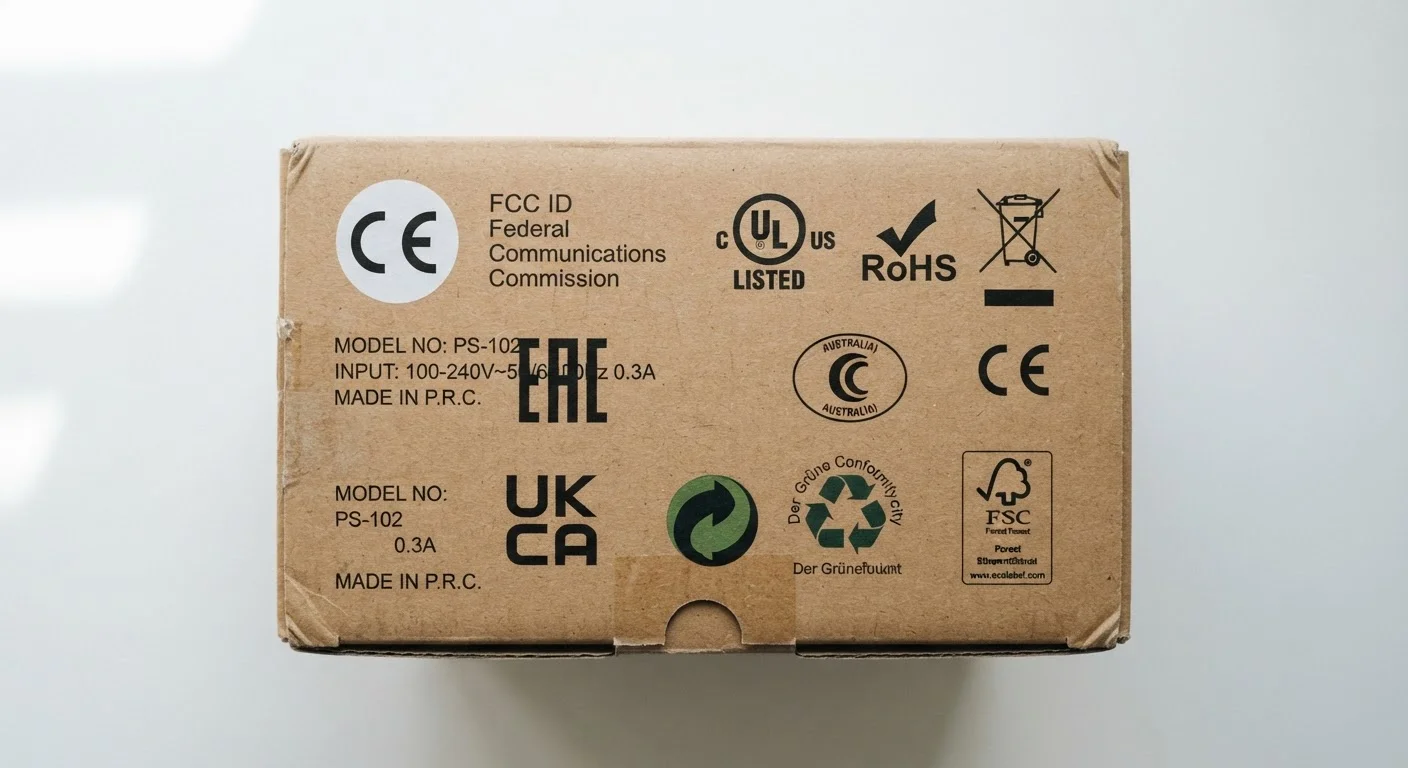
Photo credit: SnippetColumns.com | Easy Search, Reliable Information
In this article
UL, NSF, OEKO-TEX — certification marks can be powerful quality signals, but only if you know what each one genuinely tests for.
Why Certification Marks Aren't All Created Equal
Walk through any retail aisle and you'll encounter dozens of seals, badges, and marks promising safety, purity, or performance. The problem: these marks vary enormously in what they actually test, who funds the testing, and how rigorously standards are enforced. Treating them as interchangeable is a common shopper mistake — and understanding the differences is one of the most practical quality-evaluation tools available to you.
Certification marks fall into a few broad categories: government-mandated compliance marks, independent third-party certifications, industry self-regulatory marks, and retailer-created designations. The first two carry the most weight; the latter two warrant more scrutiny. See the broader quality evaluation framework for how certifications fit into a complete assessment approach.
| UL Coverage | Electrical and fire safety only (Underwriters Laboratories program scope) |
| NSF Standards Count | 100+ distinct standards (NSF International program directory) |
| OEKO-TEX STANDARD 100 Tests | 100+ harmful substances (OEKO-TEX Association published criteria) |
| Energy Star Program Origin | U.S. EPA & Dept. of Energy, est. 1992 (EPA Energy Star program history) |
| USDA Organic Threshold | 95% certified organic ingredients (USDA Agricultural Marketing Service) |
| Who Pays for Testing | Usually the manufacturer (fee-based) (Standard industry certification model) |
Major Testing Bodies: What Each One Actually Covers
Below is a reference-level breakdown of widely encountered certification bodies and what their marks genuinely verify.
UL (Underwriters Laboratories)
UL is an independent, non-profit safety certification organization founded in 1894. The UL mark on electrical products, appliances, and components means the product has been tested against specific safety standards — primarily around fire, shock, and casualty hazards. Crucially, UL does not evaluate performance, longevity, or value. A UL-listed extension cord met electrical safety thresholds; it says nothing about its durability.
NSF International
NSF develops public health standards and certifies products in food equipment, water filtration, dietary supplements, and plumbing. An NSF/ANSI 42 or 53 mark on a water filter, for example, tells you which specific contaminants were tested and reduced in lab conditions. Always check which NSF standard a product carries — they cover very different scopes.
OEKO-TEX STANDARD 100
This textile certification tests finished fabric and garment products for harmful substances including pesticide residues, heavy metals, and formaldehyde. It does not certify organic farming practices, fair labor conditions, or environmental manufacturing impact — those are addressed by separate OEKO-TEX programs (like GOTS or bluesign). If you're evaluating clothing or bedding, this distinction matters. For a related perspective on label literacy, see how beauty product labels use undefined terms.
Energy Star
A joint program of the U.S. Environmental Protection Agency and Department of Energy, Energy Star certifies that appliances and electronics meet efficiency thresholds set by those agencies. Products are tested by EPA-recognized labs, and some categories require ongoing verification testing. It does not evaluate build quality, reliability, or repairability.
USDA Organic
For food, the USDA Organic seal indicates that at least 95% of ingredients were produced under certified organic conditions. The certification covers farming and handling practices — it is not a nutritional quality claim and does not imply the food is free of all contaminants.
Third-party certification
Verification of a product's claims or performance conducted by an organization independent of both the manufacturer and the buyer. Independence is what distinguishes it from self-reported quality claims.
Accreditation
Formal recognition that a testing laboratory or certification body meets established competency standards — typically granted by a national body such as ANSI-ASQ National Accreditation Board (ANAB) in the U.S.
Standard
A documented set of criteria, conditions, or requirements that a product or process must meet to earn a given certification. Standards are usually developed by consensus bodies and updated periodically.
Scope of certification
The specific attributes, conditions, or contaminants a certification actually tested. Two products may carry the same mark but be certified under different scopes — always check which standard number applies.
Self-regulatory mark
A quality or safety designation created and administered by an industry association or retailer rather than an independent body. These marks vary widely in rigor and external oversight.
Applying This Knowledge at the Point of Purchase
When you encounter a certification mark, ask three questions: Who issued it? What specifically was tested? Is that what I care about? A product bearing only a retailer-created "quality assured" badge is a weaker signal than one carrying an accredited third-party mark — because internal programs typically lack independent auditing.
Cross-referencing marks also reveals gaps. A kitchen appliance might carry UL certification (safety) but no NSF certification (food-contact hygiene). For electronics, an IP rating tells you about ingress protection but nothing about drop resistance — as explored in detail in what IP ratings actually certify.
Manufacturer-issued warranties can provide supplementary evidence of confidence in their own product's durability — a dimension certifications rarely address. The relationship between warranty terms and manufacturer confidence is worth understanding alongside certification data. For a broader look at decoding everything on a label, see quality signals hiding in plain sight on product labels.
Verify Marks Directly with the Certifying Body
Certification logos can be misused or displayed on products that have lapsed or never completed the full certification process. Most major bodies — UL, NSF, OEKO-TEX — maintain searchable online databases where you can confirm whether a specific product or manufacturer holds a current, valid certification. Taking 60 seconds to verify can prevent relying on a mark that no longer applies.
This article provides general consumer education about certification programs and is not a substitute for consulting the certifying body's official documentation when making purchasing decisions that significantly affect health or safety.

Author
Smart Shopping Editorial Team
Smart Shopping Editorial Team is the collective byline for our editorial team and contributor network. Articles published under this byline or an editorial pen name are researched, written, and reviewed according to our editorial standards for clarity, consistency, and independence before publication.
View all articles →